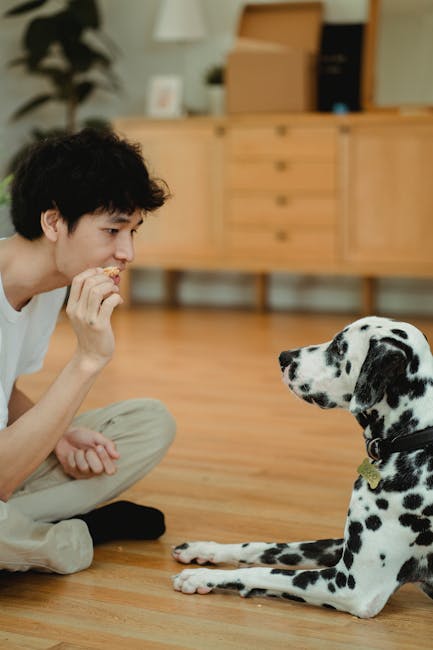
10 Essential Commands Every Dog Should Know
Having a well-trained dog is more than just a convenience—it’s a necessity for ensuring the safety and happiness of both pet and owner. Training your dog to respond to essential commands not only strengthens your bond but also creates a harmonious living environment. Whether you’re a new dog owner or looking to brush up on your furry friend’s skills, these essential commands are a must-know! 🐶
Table of Contents
1. Introduction
2. Why Training is Important
3. The Command Basics
– Sit
– Stay
– Come
– Down
– Leave It
– Heel
– Off
– Drop It
– Wait
– No
4. Conclusion
5. FAQs
Why Training is Important
Training goes beyond teaching your dog tricks; it’s about communication. When your dog understands commands, it opens a channel for mutual respect and understanding, minimizing confusion and misbehavior. A well-trained dog is more adaptable and confident, making them better companions both at home and in public. 🏡🐕
The Command Basics
1. Sit 🪑
The “sit” command is one of the easiest and most effective commands to teach your dog. It can prevent many behavioral issues and is the foundation for other commands.
To teach “sit,” hold a treat close to your dog’s nose, and move your hand up. This will cause his head to follow the treat and his bottom to lower. Once he’s in a sitting position, say “sit,” give him the treat, and share some affection.
2. Stay ⏸️
The “stay” command is crucial for your dog’s safety, particularly in potentially dangerous situations like crossing the street or if they get overly excited at the park. 🚦
Start by asking your dog to sit. Open your palm in front of you and say “stay.” Take a few steps back. If your dog stays, reward them. Gradually increase the distance and duration.
3. Come 🏃♂️
“Come” is a lifesaver when you need to call your dog back to you, whether they’re running toward something potentially dangerous or simply too far away in the park.
Put your dog on a leash and say “come” while gently pulling the leash towards you. Reward them when they come to you. Practice this in various locations to reinforce the command.
4. Down 🛌
The “down” command is useful for calming an excited dog and is essential for good manners.
Start with your dog in a sitting position. Hold a treat in your hand close to their nose and lower it to the ground. As they follow the treat, their body should naturally go down. Once they are in position, say “down,” and give them the treat.
5. Leave It 🚫
“Leave it” is perfect for keeping your dog away from dangerous or unwanted objects. This command can protect your dog from ingesting harmful items.
Place a treat in both hands. Show your dog one enclosed fist with the treat inside, and say “leave it.” Ignore their attempts to get the treat. Once they stop, give them the treat from the other hand.
6. Heel 🚶♀️
The “heel” command ensures your dog walks alongside you calmly, making walks more enjoyable and manageable. 🌳
Start with your dog on a leash. Begin walking and say “heel.” If they move ahead, gently pull them back to your side. Reward them when they stay beside you. Consistency is key!
7. Off 🚫
“Off” is important to prevent jumping on people or furniture.
When your dog jumps on people, say “off” and ignore them until all four paws are on the ground. Reward them once they are grounded. Practice regularly to reinforce the behavior.
8. Drop It 🗑️
The “drop it” command is crucial if your dog picks up something they shouldn’t have, ensuring they don’t consume anything dangerous.
Offer your dog a toy and let them play with it. Then, offer a treat and say “drop it.” Once they release the item, reward them with the treat.
9. Wait ⏳
“Wait” is similar to “stay,” but it’s more temporary, like waiting before crossing a street.
Have your dog sit and say “wait” while you hold your palm towards them. After a few moments, release them with a command like “okay.” Gradually increase the waiting time.
10. No 🚫
“No” is a catch-all command for stopping unwanted behavior immediately. It should be used sparingly and with a firm tone.
Catch your dog in the act of unwanted behavior, say “no” firmly, and redirect them to a positive behavior. Consistency and tone are crucial for this command to be effective.
Conclusion
Training your dog with these essential commands not only makes life easier but also enhances your relationship with your furry friend. Remember, patience and consistency are key in training. Celebrate the small victories, and don’t forget to enjoy the journey with your loyal companion. 🐾❤️
FAQs
Q1: How long does it take to teach a dog these commands?
A1: It varies by dog, but with consistent practice, most dogs can learn these commands within a few weeks. The key is regular, short training sessions.
Q2: What if my dog doesn’t respond to a command?
A2: If your dog isn’t responding, it might be time to review your training methods. Ensure you’re using positive reinforcement and practicing regularly in a distraction-free environment.
Q3: Can older dogs learn these commands?
A3: Absolutely! Dogs of any age can learn new commands with patience and consistent training.
Q4: Should I use treats for every command?
A4: Initially, treats are a great motivator. Over time, you can gradually reduce treats and replace them with praise or toys as rewards.
Q5: Is professional training necessary?
A5: While many dog owners successfully train their dogs at home, professional trainers can be helpful, especially for behavioral issues or if you’re struggling with certain commands.