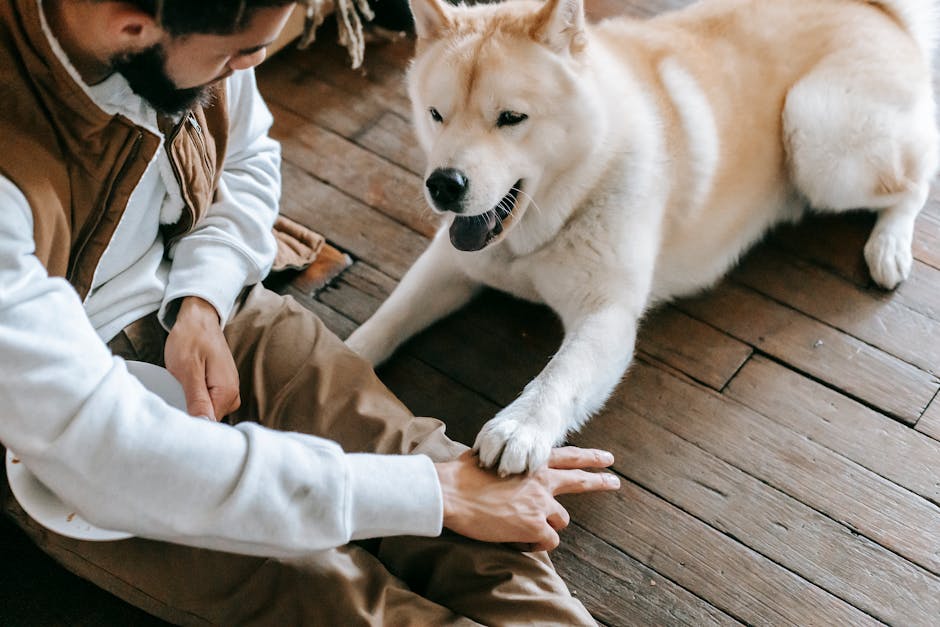
Dog training can feel like a daunting task, whether you're welcoming a new puppy into your home or trying to correct unwanted behaviors in an older dog. However, with the right approach and a bit of patience, you can build a strong bond with your canine companion and teach them essential commands for a happier, more harmonious life together.
One of the most crucial elements of successful dog training is consistency. Dogs thrive on routine and clear expectations. Using the same commands, hand signals, and rewards every time will help your dog understand what you're asking of them. Avoid confusing them by changing your methods or giving mixed signals.
Positive reinforcement is the cornerstone of effective dog training. Rewarding your dog for good behavior is far more effective than punishing them for misbehavior. This can be achieved through treats, praise, or even a favorite toy. When your dog performs the desired action, immediately reward them to reinforce the positive association.
Start with basic commands like sit, stay, and come. These commands are foundational for building good behavior and ensuring your dog's safety. Keep training sessions short and engaging to maintain your dog's focus and prevent them from becoming bored or frustrated.
Crate training can be a valuable tool for housebreaking and providing your dog with a safe and secure space. Introduce the crate gradually and make it a positive experience by associating it with treats and toys. Never use the crate as a punishment.
Socialization is essential for developing a well-adjusted dog. Expose your dog to different people, places, and other dogs from a young age. This will help them become comfortable in various situations and reduce the likelihood of fear-based aggression or anxiety.
Addressing problem behaviors requires patience and understanding. If your dog is exhibiting unwanted behaviors like excessive barking, chewing, or jumping, consult with a professional dog trainer or veterinarian. They can help you identify the underlying cause of the behavior and develop a tailored training plan.
Remember, dog training is an ongoing process. Consistency, positive reinforcement, and patience are key to building a strong bond with your dog and helping them become a well-behaved member of your family. Enjoy the journey and celebrate the small victories along the way.