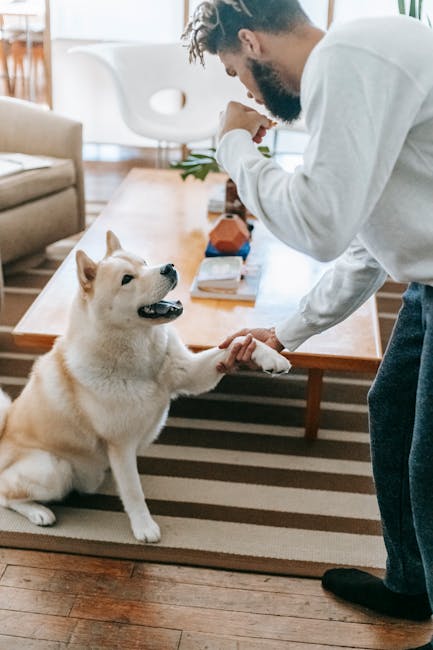
How to Train Your Dog to Be Comfortable with Different Sounds
Training your dog to be comfortable with various sounds is an important part of their development and well-being. From household noises to outdoor sounds, your dog encounters a wide range of auditory experiences daily. Ensuring that your furry friend is at ease with these sounds can significantly impact their behavior, reduce anxiety, and improve their quality of life. In this comprehensive guide, we will explore effective strategies to help your dog adapt to different sounds, backed by expert advice and practical tips.
Understanding Canine Sensitivity to Sounds
Dogs have an acute sense of hearing, with the ability to detect frequencies ranging from 40 Hz to 60,000 Hz, compared to humans who hear between 20 Hz and 20,000 Hz. This heightened auditory ability means that dogs can be more sensitive to sounds, making it crucial for pet owners to understand and address any sound-related anxieties their pets may have.
Common Sounds That May Trigger Anxiety
Before embarking on sound desensitization training, it’s essential to identify which sounds commonly trigger anxiety in dogs. These can include:
- Thunderstorms and rain
- Fireworks
- Household appliances like vacuum cleaners and blenders
- Traffic noises
- Doorbells and knocking
Preparing Your Dog for Sound Desensitization
Before you begin training, it’s important to create a safe and comfortable environment for your dog. Here are some steps to prepare:
Create a Safe Space
Designate a quiet area in your home where your dog can retreat to when they feel overwhelmed by sounds. This space should contain their bed, toys, and some comforting items like a piece of your clothing.
Establish a Routine
Dogs thrive on routine. By establishing a regular schedule for feeding, walks, and playtime, you can help your dog feel more secure and less anxious overall.
Effective Sound Desensitization Techniques
Once you’ve prepared your dog for sound training, you can begin implementing desensitization techniques. Here are some effective methods:
Gradual Exposure
Start by exposing your dog to low levels of the sound that triggers their anxiety. For example, if your dog is afraid of thunderstorms, play a recording of thunder at a low volume while engaging them in a positive activity like playing or giving treats.
Gradually increase the volume over time as your dog becomes more comfortable. This method can help your dog associate the sound with positive experiences, reducing their fear response.
Positive Reinforcement
Use treats, praise, and affection to reward your dog when they remain calm in the presence of a sound that previously caused anxiety. Positive reinforcement can strengthen the association between the sound and positive outcomes, helping to change your dog’s perception.
Counterconditioning
Counterconditioning involves changing your dog’s emotional response to a sound. This can be achieved by pairing the sound with something your dog loves, such as their favorite toy or treat. Over time, your dog will begin to associate the previously feared sound with something positive.
Monitoring Progress and Adjusting Techniques
As you work through sound desensitization training, it’s important to monitor your dog’s progress and adjust your techniques as needed.
Recognizing Signs of Improvement
Look for signs that your dog is becoming more comfortable with sounds, such as decreased trembling, barking, or attempts to hide. Celebrate these small victories as they indicate positive progress.
Adapting to Your Dog’s Needs
Every dog is different, and some may require more time and patience to adjust to certain sounds. Be flexible in your approach, and don’t hesitate to consult a professional dog trainer if you encounter challenges.
Conclusion
Training your dog to be comfortable with different sounds is a rewarding journey that can enhance their well-being and strengthen your bond. By understanding canine sensitivity to sounds, preparing your dog for training, and implementing effective desensitization techniques, you can help your furry friend lead a more relaxed and happy life. Remember to be patient, consistent, and positive throughout the process, and your efforts will undoubtedly pay off in the long run.
For more dog training tips and advice, visit our website or consult with a certified dog trainer for personalized guidance.
EntirelyPets – Discount pet medications, pet supplies & more – Click Here!