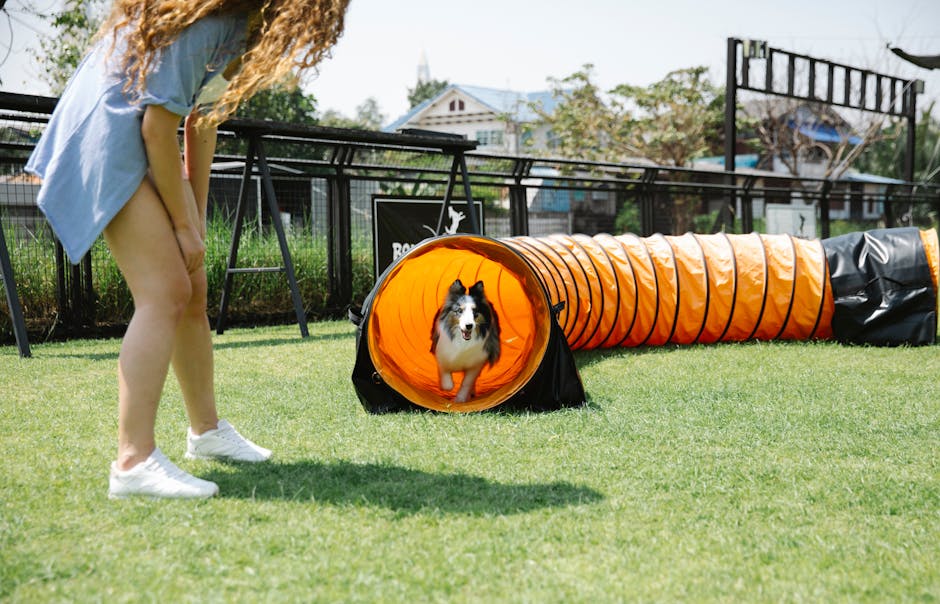
A Beginner’s Guide to Positive Reinforcement in Dog Training
If you’re new to dog training, you’ve likely heard about positive reinforcement. This method has gained popularity for its effectiveness and humane approach. But what exactly is positive reinforcement, and how can you use it to train your furry friend? 🐕 Let’s dive into the world of positive reinforcement and explore how you can harness its power to train your dog effectively.
Table of Contents
1. Introduction to Positive Reinforcement
2. Why Choose Positive Reinforcement?
3. Getting Started: The Basics
4. Key Techniques and Tips
5. Common Mistakes to Avoid
6. Conclusion: Building a Stronger Bond
7. FAQs
Introduction to Positive Reinforcement
Positive reinforcement is a dog training technique that rewards desired behaviors with treats, praise, or play. The idea is simple: when a dog performs an action that you want to encourage, you immediately reward them. This makes it more likely that the behavior will be repeated. Unlike other training methods that may involve punishment, positive reinforcement focuses on rewarding good behavior rather than punishing bad behavior.
Why Choose Positive Reinforcement? 🤔
There are several reasons why positive reinforcement is a preferred method for many dog owners:
1. **Effective and Long-Lasting**: Studies show that behaviors learned through positive reinforcement are more likely to be retained over time.
2. **Strengthens the Human-Dog Bond**: Training sessions become a fun and enjoyable experience for both you and your dog.
3. **Reduces Stress and Anxiety**: Dogs trained with positive methods tend to be more confident and less anxious.
4. **Encourages Creativity**: Dogs can learn a wide variety of behaviors and tricks, making training sessions diverse and exciting.
Getting Started: The Basics 🐾
To start using positive reinforcement, you’ll need a few tools:
1. **Treats**: Choose small, soft treats that your dog loves. The goal is to reward quickly, so avoid anything that takes too long to chew.
2. **Clicker**: Some trainers use a clicker to mark the moment a desired behavior occurs, followed by a treat. This helps the dog associate the click with a reward.
3. **Patience and Consistency**: Training takes time, and consistency is key. Stick with it, and you’ll see results.
Key Techniques and Tips 🌟
Here are some effective techniques to get the most out of positive reinforcement:
Timing is Everything
Reward your dog immediately after the desired behavior. This helps them make the connection between the action and the reward.
Keep Sessions Short and Sweet
Dogs have shorter attention spans than humans. Aim for training sessions of 5-10 minutes, multiple times a day.
Use a Variety of Rewards
While treats are effective, mix it up with verbal praise, petting, or a quick play session to keep your dog engaged and motivated.
Be Clear and Consistent
Use the same cues and commands consistently. Dogs respond to clear, consistent signals.
Common Mistakes to Avoid 🚫
Even well-intentioned dog owners can make mistakes. Here are a few to watch out for:
Overfeeding
It’s easy to overdo it with treats. Keep portions small to avoid unwanted weight gain.
Inconsistent Rewards
If you reward sometimes and not others, your dog might get confused. Be consistent to reinforce learning.
Lack of Patience
Some behaviors take time to learn. Stay patient and avoid frustration, as your dog will pick up on it.
Conclusion: Building a Stronger Bond ❤️
Positive reinforcement is not just about training; it’s about building a trusting relationship with your dog. By focusing on rewarding good behavior, you create an environment of mutual respect and understanding. Whether you’re teaching basic commands or fancy tricks, positive reinforcement can transform your training sessions into a rewarding experience for both you and your dog.
FAQs
1. What if my dog doesn’t respond to treats?
Try using different rewards like toys or affection. Every dog is unique, and finding what motivates yours is key.
2. How can I stop unwanted behaviors?
Focus on reinforcing positive behaviors and redirecting your dog’s attention to desired actions. Avoid punishment, as it can lead to fear and anxiety.
3. Can older dogs be trained with positive reinforcement?
Absolutely! Dogs of all ages can benefit from positive reinforcement training. It’s never too late to start.
4. How do I know if I’m overfeeding during training?
Monitor your dog’s weight and adjust treat portions accordingly. You can also use a portion of your dog’s regular meal kibble as training treats.
5. How often should I train my dog?
Aim for short, frequent training sessions throughout the day. Consistency and repetition are key to successful training.