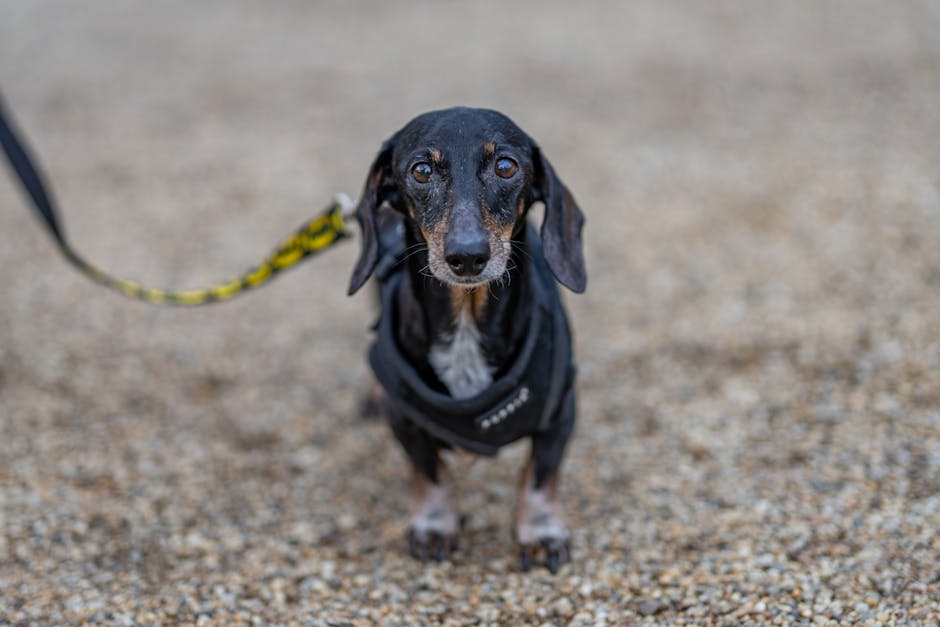
Dog training is an essential part of responsible pet ownership. It builds a strong bond between you and your canine companion, while also ensuring their safety and the safety of others. Whether you're bringing home a new puppy or looking to improve your older dog's behavior, effective training methods can make a world of difference. This post will cover seven valuable tips to help you navigate the world of dog training and achieve positive results.
Start training early. The earlier you begin training your dog, the better. Puppies are highly receptive to learning new behaviors, and early socialization plays a crucial role in their development. Introduce them to various sights, sounds, people, and other animals to help them become well-adjusted adults. Even older dogs can learn new tricks and behaviors, so it's never too late to start.
Use positive reinforcement. Positive reinforcement is the most effective way to train a dog. Reward desired behaviors with treats, praise, or toys. This encourages your dog to repeat those behaviors, as they associate them with positive outcomes. Avoid punishment, as it can create fear and anxiety, hindering the learning process.
Be consistent. Consistency is key to successful dog training. Use the same commands and cues consistently, and ensure everyone in the household is on the same page. Dogs thrive on routine and predictability, so maintaining consistency will help them understand what's expected of them.
Keep training sessions short and engaging. Dogs have short attention spans, so keep training sessions brief and focused. Aim for sessions of 5-10 minutes, especially with puppies. Use engaging activities and games to keep your dog motivated and prevent boredom.
Focus on basic obedience commands. Start with basic commands like sit, stay, come, and down. These commands are essential for everyday life and provide a foundation for more advanced training. Once your dog masters these commands, you can move on to more complex behaviors.
Socialize your dog. Socialization is crucial for a well-behaved and confident dog. Expose your dog to different environments, people, and other dogs from a young age. This helps them develop appropriate social skills and prevents fear-based aggression or anxiety.
Seek professional help if needed. If you're struggling with specific behavioral issues or finding it challenging to train your dog on your own, don't hesitate to seek professional help. A certified dog trainer can provide personalized guidance and address any specific challenges you're facing. They can also help you understand your dog's individual needs and develop a tailored training plan.