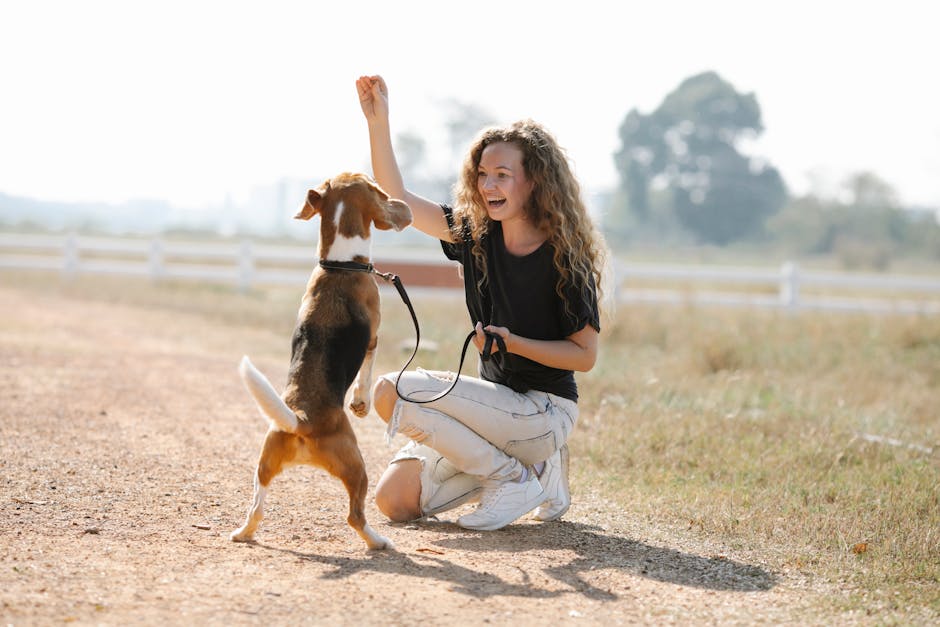
Dog training is an essential aspect of responsible pet ownership. It builds a strong bond between you and your canine companion, while also ensuring their safety and the safety of others. Whether you have a brand new puppy or an older dog, consistent training can transform even the most rambunctious pup into a well-behaved member of the family. This journey requires patience, understanding, and a willingness to learn, but the rewards are immeasurable.
One of the most crucial aspects of dog training is establishing clear communication. Dogs don't understand human language in the same way we do, so it's important to use consistent cues and body language that they can easily interpret. Short, simple commands like "sit," "stay," and "come" are easier for dogs to learn than complex sentences. Pairing these commands with hand gestures can further aid in their understanding.
Positive reinforcement is the cornerstone of effective dog training. Rewarding desired behaviors with treats, praise, or a favorite toy motivates your dog to repeat those actions. When your dog responds correctly to a command, immediately offer the reward. This immediate feedback helps them connect the action with the positive outcome.
Consistency is key when it comes to dog training. Establish a regular training schedule and stick to it as much as possible. Short, frequent sessions are more effective than long, infrequent ones. Dogs have short attention spans, so keeping training sessions brief and engaging helps maintain their focus.
Socialization is another important aspect of dog training. Exposing your dog to different people, places, and situations from a young age helps them develop into well-adjusted adults. This includes introducing them to other dogs, taking them on walks in different environments, and exposing them to various sights and sounds.
Crate training can be a valuable tool for housebreaking and providing a safe space for your dog. A crate should be viewed as a den, not a punishment. Introduce your dog to the crate gradually, making it a positive experience with treats and toys. Never force your dog into the crate or use it as a place of isolation.
Addressing problem behaviors promptly is crucial. Whether it's excessive barking, chewing, or jumping, ignoring these behaviors will only reinforce them. Consult with a professional dog trainer if you're struggling with specific behavioral issues. They can provide tailored guidance and help you develop a training plan that addresses your dog's individual needs. Remember, patience and consistency are your greatest allies in the dog training journey.