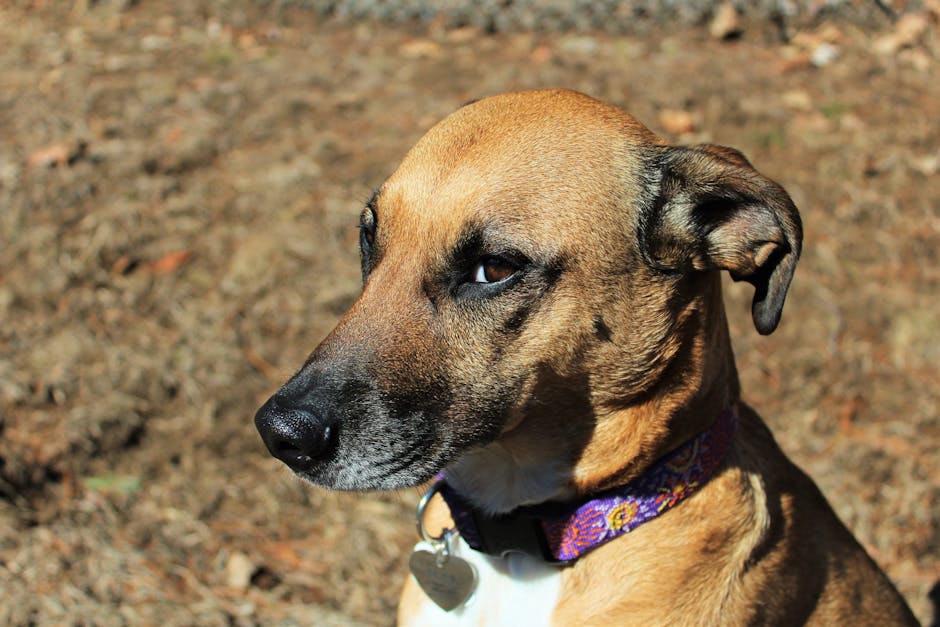
So, you've brought home a bundle of fluff and joy, and now you're realizing that maybe, just maybe, all that cuteness comes with a side of chaos. Don't worry, you're not alone. Dog training can feel like a daunting task, but with a little patience, consistency, and a good sense of humor, you can teach your canine companion to be the best-behaved pup on the block.
First things first, establish yourself as the leader of the pack. This doesn't mean you need to growl or assert dominance in an aggressive way. It simply means being clear and consistent with your commands and expectations. Dogs thrive on routine and structure, so establishing a clear hierarchy will help them feel secure and understand their place in the family.
Start with basic obedience commands like sit, stay, and come. Use positive reinforcement techniques such as treats, praise, or a favorite toy to reward your dog when they perform the desired behavior. Keep training sessions short and sweet, especially in the beginning, to avoid overwhelming your furry friend.
Crate training can be a valuable tool for housebreaking and creating a safe space for your dog. Introduce the crate gradually and make it a positive experience by associating it with treats and toys. Never use the crate as a punishment. It should be a den-like sanctuary where your dog feels comfortable and secure.
Socialization is crucial for developing a well-adjusted dog. Expose your pup to a variety of people, dogs, and environments from an early age. This will help them learn how to interact appropriately and reduce the likelihood of fear-based aggression or anxiety later in life.
Leash training is another essential skill for any dog owner. Start by getting your dog accustomed to wearing a collar and leash, then gradually introduce them to walking on a leash. Be patient and consistent, and reward your dog for walking calmly by your side.
Don't be afraid to seek professional help if you're struggling with specific training challenges. A certified dog trainer can provide personalized guidance and address any behavioral issues you may be encountering. They can also offer valuable insights into your dog's individual personality and learning style.
Remember, dog training is an ongoing process. Even after your dog has mastered basic commands, continue to reinforce good behavior and provide opportunities for mental and physical stimulation. A happy and well-trained dog is a joy to have in your life, and the bond you create through training will last a lifetime.