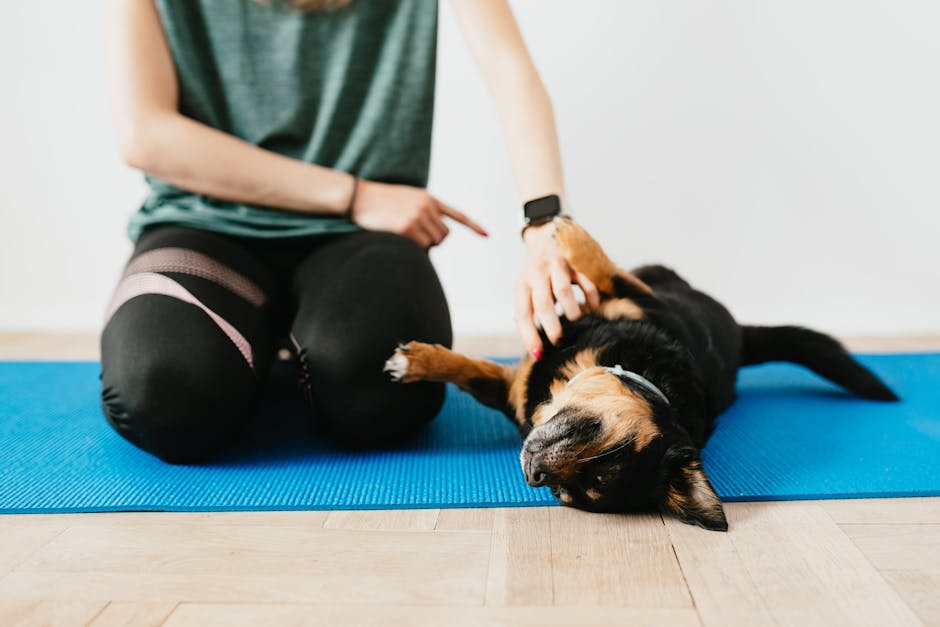
Dog training can sometimes feel like an uphill battle, especially when your furry friend seems more interested in chasing squirrels than listening to your commands. But don't worry, even the most stubborn pups can learn with the right approach and a little patience. This post will explore some effective dog training techniques that can help you build a strong bond with your canine companion while teaching them essential skills.
One of the most crucial aspects of successful dog training is consistency. Dogs thrive on routine and clear expectations. Using the same commands and hand signals every time will help your dog understand what you're asking of them. Avoid confusing them by changing up the vocabulary mid-training. Consistent training also means setting aside dedicated time each day, even if it's just for short sessions.
Positive reinforcement is another cornerstone of effective dog training. Rewarding your dog for good behavior, whether with treats, praise, or a favorite toy, encourages them to repeat those behaviors. Focus on rewarding immediately after the desired action to create a strong association. Avoid punishment, as it can create fear and anxiety, hindering the learning process.
Start with basic obedience commands like "sit," "stay," and "come." These commands are essential for everyday life and provide a foundation for more advanced training. Break down each command into small, manageable steps and gradually increase the difficulty as your dog progresses. Keep training sessions short and fun to maintain your dog's engagement.
Crate training can be a valuable tool for housebreaking and providing your dog with a safe and secure space. Introduce the crate gradually and make it a positive experience by associating it with treats and toys. Never use the crate as a form of punishment. Proper crate training can also help with separation anxiety and destructive behaviors.
Socialization is an important aspect of a dog's development. Expose your dog to different people, places, and other dogs from a young age to help them become well-adjusted adults. Supervised playdates and trips to the dog park can help your dog learn appropriate social skills.
Consider enrolling in a puppy or obedience class. These classes provide professional guidance and a structured learning environment. They also offer opportunities for socialization with other dogs and owners. A qualified trainer can help you address specific behavioral issues and tailor training techniques to your dog's individual needs.
Remember, patience and persistence are key. Dog training takes time and effort. Don't get discouraged if your dog doesn't pick things up immediately. Celebrate small victories and focus on building a positive relationship with your furry friend. With consistent training and a little love, you'll be amazed at what your dog can learn.