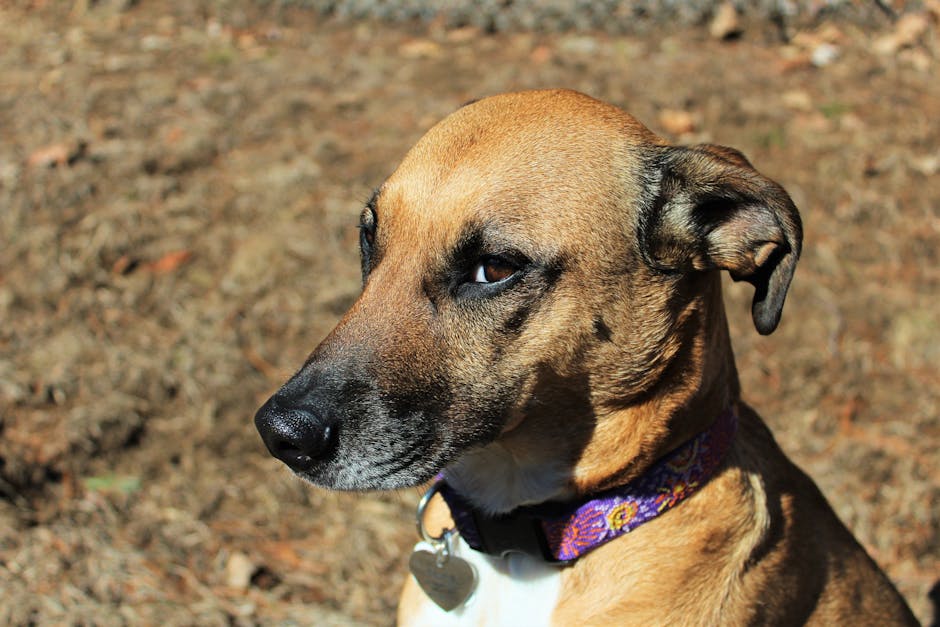
Dog training is an essential aspect of responsible pet ownership. A well-trained dog is not only a joy to live with but also safer and more confident in various situations. Whether you have a new puppy or an older dog, consistent training can strengthen your bond and create a harmonious household. This post will explore seven effective dog training tips to help you and your furry friend succeed.
Start with the basics. Focus on fundamental commands like sit, stay, come, and down. Use positive reinforcement methods such as treats, praise, and toys to motivate your dog. Keep training sessions short and engaging to maintain your dog's attention and prevent boredom. Consistency is key, so practice these commands regularly in different environments to ensure your dog understands them in various situations.
Crate training can be a valuable tool for housebreaking and providing your dog with a safe and secure space. Introduce the crate gradually and make it a positive experience by associating it with treats and toys. Never use the crate as a punishment. Instead, it should be a comfortable den where your dog can relax and feel secure.
Socialization is crucial for developing a well-adjusted dog. Expose your dog to different people, animals, and environments from a young age. This helps them learn appropriate social skills and reduces the likelihood of fear or aggression later in life. Supervised playdates with other dogs can be a great way to foster socialization.
Leash training is essential for safe and enjoyable walks. Start by getting your dog accustomed to wearing a collar or harness. Then, introduce the leash gradually and practice walking in a controlled environment. Use positive reinforcement to encourage loose-leash walking and discourage pulling.
Address unwanted behaviors promptly and consistently. Ignoring or redirecting unwanted behaviors can be effective strategies. Avoid punishment, as it can create fear and anxiety. Instead, focus on rewarding desired behaviors. If you're struggling with specific behavioral issues, consider consulting a professional dog trainer.
Consistency and patience are paramount in dog training. Remember that every dog learns at a different pace. Don't get discouraged if your dog doesn't master a command immediately. Celebrate small victories and continue to practice regularly. The bond you build through training will be worth the effort.
Dog training is an ongoing process, not a destination. Even after your dog has learned basic commands, continue to practice and reinforce good behavior. This will help maintain their skills and ensure a happy and well-behaved companion for years to come. Enjoy the journey of training and the strong bond you build with your furry friend.