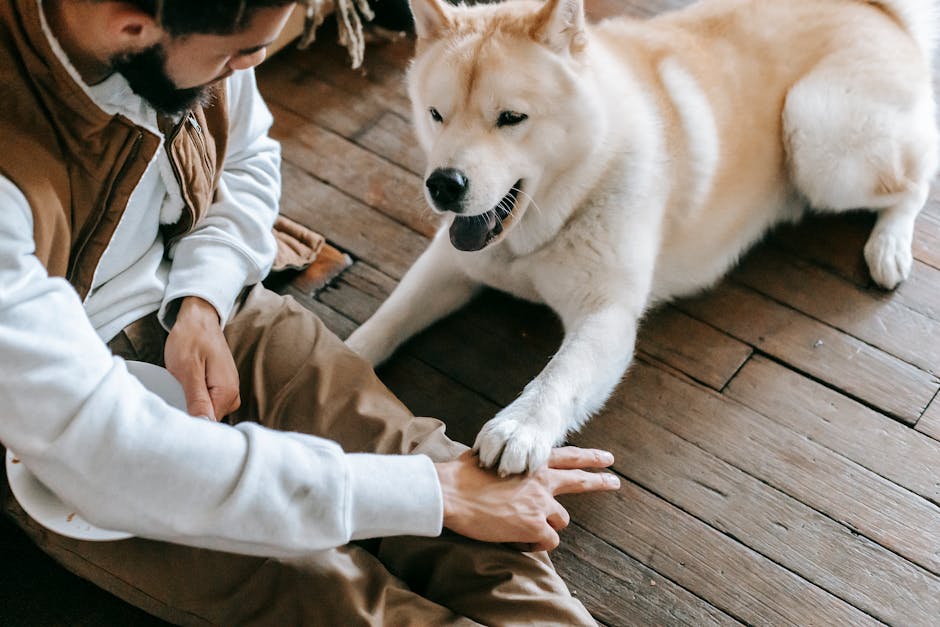
Dog training is an essential aspect of responsible pet ownership, fostering a strong bond between you and your canine companion while ensuring their safety and well-being. Whether you have a new puppy or an older dog, consistent training can transform even the most rambunctious pup into a well-behaved member of the family. This post explores seven effective dog training tips to help you navigate this journey successfully.
Start early. The earlier you begin training your dog, the better. Puppies are more receptive to learning new behaviors, and early training can prevent the development of unwanted habits. However, it's never too late to start training an older dog; patience and consistency are key.
Focus on positive reinforcement. Positive reinforcement involves rewarding desired behaviors with treats, praise, or toys. This method is highly effective and strengthens the bond between you and your dog. Avoid punishment-based training, which can create fear and anxiety.
Keep training sessions short and engaging. Dogs have short attention spans, so short, frequent training sessions are more effective than long, drawn-out ones. Aim for 5-10 minute sessions several times a day. Keep the sessions fun and engaging to maintain your dog's interest.
Be consistent with commands and cues. Use clear and consistent commands for each desired behavior. This consistency helps your dog understand what's expected of them. Avoid using different words for the same command, as this can confuse your dog.
Socialize your dog early. Expose your dog to various sights, sounds, people, and other animals from a young age. Early socialization helps your dog develop into a well-adjusted and confident adult, reducing the likelihood of fear-based aggression or anxiety.
Address problem behaviors promptly. If your dog exhibits problem behaviors such as excessive barking, chewing, or jumping, address them immediately. Ignoring these behaviors can reinforce them, making them harder to correct later. Consult with a professional dog trainer if needed.
Be patient and understanding. Dog training takes time and patience. Not all dogs learn at the same pace, and setbacks are normal. Celebrate small victories and remain positive throughout the training process. Remember that building a strong bond with your dog is a rewarding journey that requires dedication and understanding.
By following these seven tips, you can establish a foundation for successful dog training, creating a harmonious relationship with your furry friend for years to come. Remember, consistent training, positive reinforcement, and patience are the keys to unlocking your dog's full potential and fostering a strong, loving bond.