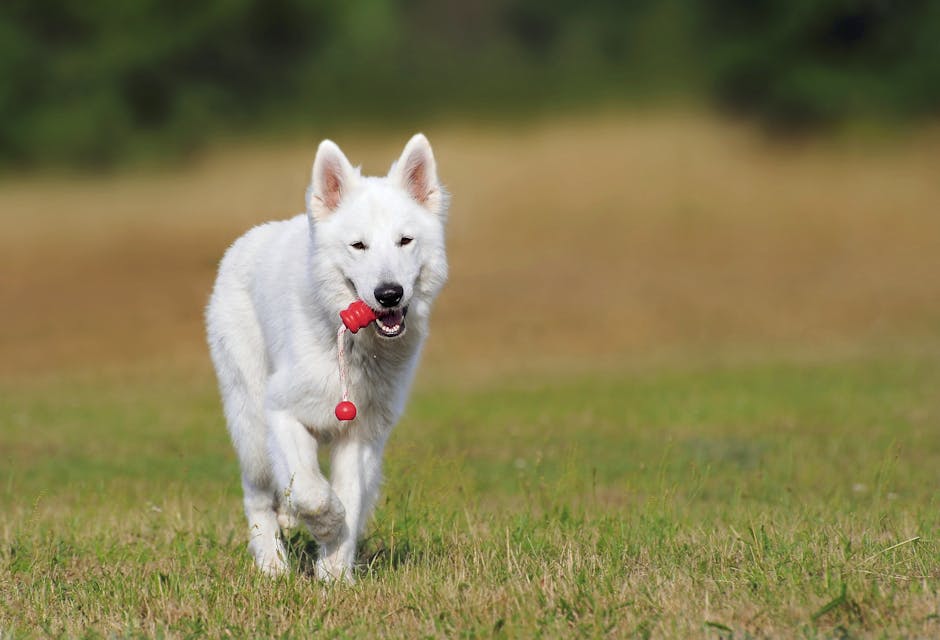
Dog training is a rewarding experience for both you and your canine companion. It builds a strong bond, establishes clear communication, and ultimately creates a well-behaved and happy dog. Whether you have a new puppy or an older dog, consistent training is key to a harmonious life together. This guide provides some helpful tips and techniques to get you started on the right paw.
One of the most important aspects of dog training is positive reinforcement. This method focuses on rewarding desired behaviors with treats, praise, or toys, rather than punishing unwanted actions. Positive reinforcement motivates your dog to learn and makes training a positive experience. Start with simple commands like "sit," "stay," and "come," and gradually introduce more complex ones.
Consistency is crucial for successful training. Establish a regular training schedule, even if it's just for short periods each day. Dogs thrive on routine and predictability, so maintaining consistency will help them understand expectations and learn faster. Use the same commands and hand signals consistently to avoid confusion.
Socialization is another vital element of dog training. Exposing your dog to various people, places, and other animals from a young age helps them develop into well-adjusted adults. Socialization reduces the likelihood of fear-based aggression and other behavioral issues. Enroll your dog in puppy classes or take them to dog parks to interact with other dogs.
Crate training can be a valuable tool, particularly for housebreaking and managing destructive behaviors. A crate provides a safe and secure space for your dog and can help them feel more comfortable in their environment. Introduce the crate gradually and make it a positive experience by associating it with treats and toys. Never use the crate as a form of punishment.
Leash training is essential for safe and enjoyable walks. Start by getting your dog accustomed to wearing a collar or harness. Then, introduce the leash and practice walking in a controlled environment, such as your backyard. Gradually increase the length of walks and introduce new environments as your dog becomes more comfortable.
Addressing problem behaviors requires patience and understanding. If your dog exhibits unwanted behaviors like excessive barking, chewing, or jumping, consult with a professional dog trainer or veterinarian. They can help you identify the underlying cause of the behavior and develop a tailored training plan.
Remember, dog training is an ongoing process. Even after your dog has mastered basic commands, continue to reinforce good behavior and provide mental and physical stimulation. Regular exercise, playtime, and interactive toys can help prevent boredom and destructive behaviors. With patience, consistency, and positive reinforcement, you can build a strong bond with your dog and enjoy a happy and fulfilling relationship.