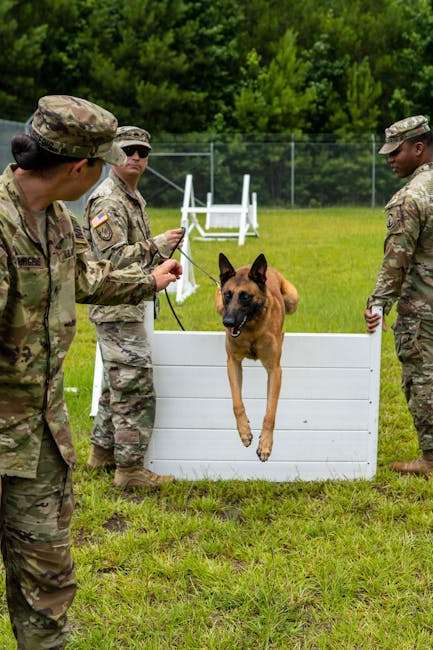
How to Train Your Dog to Not Jump on People
Dogs are wonderful companions, but their enthusiastic greetings can sometimes be a bit overwhelming. If you’re struggling with a dog that loves to jump on people, you’re not alone. Training your dog to greet people more politely is not only possible but can also be a rewarding experience for both you and your furry friend. In this guide, we’ll explore effective methods to help your dog learn better manners. 🐶
Table of Contents
1. Understanding Why Dogs Jump
4. Positive Reinforcement Techniques
5. Managing Your Dog’s Excitement
6. Conclusion
Understanding Why Dogs Jump
Before you begin training, it’s important to understand why dogs jump. Often, dogs jump to greet people because they are excited and want attention. Jumping is a natural behavior that starts in puppyhood when dogs jump on their mothers and littermates. Recognizing that this is a form of communication can help you approach training with empathy and patience. 🐾
Preparing for Training
Successful training requires preparation. Here are a few steps to set you and your dog up for success:
1. Gather Your Supplies: You’ll need treats, a leash, and a clicker if you plan to use clicker training.
2. Choose a Quiet Space: Start training in a calm environment to minimize distractions. This helps your dog focus better on the task at hand.
3. Set Realistic Goals: Understand that training takes time and patience. Set small, achievable milestones and celebrate successes as they come. 🎉
Using Consistent Commands
Consistency is key when it comes to training your dog. Here’s how to implement consistent commands:
1. Choose a Command: Decide on a single command like “Off” or “Down” to indicate that jumping is not acceptable.
2. Use the Command Consistently: Make sure everyone in your household uses the same command to avoid confusing your dog.
3. Reinforce the Command: When your dog obeys, reinforce the behavior immediately with a treat or praise. This helps them understand the connection between the command and the desired behavior. 🥳
Positive Reinforcement Techniques
Positive reinforcement is a powerful tool in dog training. Here’s how to apply it effectively:
1. Reward Calm Behavior: Offer treats or praise when your dog remains calm and does not jump.
2. Ignore Jumping: If your dog jumps, turn away and ignore them until they settle down. Once calm, reward them with attention or a treat.
3. Use Clicker Training: If you’re using a clicker, click and reward your dog when they keep all four paws on the ground. This reinforces the idea that staying grounded brings positive outcomes. 📦
Managing Your Dog’s Excitement
Sometimes, preventing jumping is about managing your dog’s excitement levels. Here’s how you can help your dog stay calm:
1. Practice Greeting Protocols: Train your dog to sit or stay when people enter your home, and only allow them to greet guests when they are calm.
2. Provide Regular Exercise: Ensure your dog gets plenty of physical and mental exercise. A well-exercised dog is often a calmer dog. 🐕🦺
3. Use Toys or Chews: Distract your dog with a favorite toy or chew when guests arrive, redirecting their energy to something positive.
Conclusion
Training your dog not to jump on people requires patience, consistency, and a lot of positive reinforcement. By understanding your dog’s behavior and using structured training methods, you can help them become a more polite and well-behaved companion. Remember, every dog learns at their own pace, so stay persistent and keep the experience enjoyable for both you and your dog. 🐾
Frequently Asked Questions
Q: How long does it take to train a dog not to jump?
A: The time it takes can vary depending on your dog’s age, breed, and previous training experience. Consistent training over several weeks is typically needed.
Q: What if my dog jumps on people when I’m not around?
A: Supervision is key during training. Use baby gates or leashes to manage your dog’s behavior until they learn not to jump.
Q: Can older dogs learn to stop jumping?
A: Yes, dogs of any age can learn new behaviors with patience and consistent training.
Q: Are there any breeds that are harder to train not to jump?
A: Some high-energy breeds may take longer to train, but all dogs can learn with the right approach.
Q: Should I use punishment if my dog keeps jumping?
A: No, punishment can create fear and anxiety. Focus on positive reinforcement and teach alternative behaviors instead.