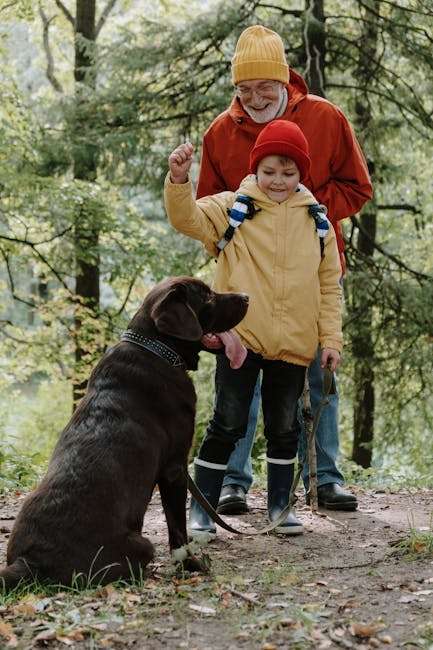
A Parent’s Guide to Training the Family Dog
Welcoming a new furry friend into your family is an exciting adventure, but it also comes with its challenges. Training your family dog not only ensures a harmonious household but also strengthens the bond between your children and their four-legged sibling. In this guide, we’ll explore practical tips and strategies to help you and your family train your dog effectively and enjoyably. 🐶
Table of Contents
1. Introduction: Why Train Your Family Dog?
2. Getting Started: Preparing Your Family for Dog Training
3. Basic Commands: The Foundation of Training
4. Involve the Kids: Making Training a Family Activity
5. Positive Reinforcement: The Path to Success
6. Managing Challenges: Patience and Persistence
7. Conclusion: Celebrate Your Progress
8. FAQ
Introduction: Why Train Your Family Dog?
Training your family dog is crucial for a harmonious home. A well-trained dog is more confident, less anxious, and better integrated into your family dynamics. Teaching your dog basic commands and good behavior not only makes life easier but also ensures your pet’s safety. Plus, involving your children in the training process can be an excellent way to teach them responsibility and compassion.
Getting Started: Preparing Your Family for Dog Training
Before you dive into training sessions, it’s essential to prepare your family. Here are some steps to get started:
1. Set Clear Goals: Decide on the behaviors you want to teach your dog. Whether it’s basic commands like “sit” and “stay” or more complex tricks, having a clear plan will guide you.
2. Gather Supplies: Invest in some training essentials such as a clicker, treats, and a comfortable leash. These tools can significantly enhance the training process.
3. Schedule Consistent Sessions: Set aside regular times for training. Consistency is key to successful dog training.
Basic Commands: The Foundation of Training
Teaching your dog basic commands is the first step in training. Here are a few foundational commands to start with:
Sit: Use a treat to guide your dog’s nose upward, which naturally causes their bottom to lower. As soon as they sit, say “sit” and reward them.
Stay: Once your dog sits, show your palm and say “stay.” Take a step back, and if they remain seated, reward them generously.
Come: Encourage your dog to come to you with open arms and a happy voice. Reward them when they reach you.
Involve the Kids: Making Training a Family Activity 🐕🦺
Training your dog can be a fun family affair! Here’s how to get the kids involved:
Assign Roles: Let each family member take on a specific role, like treat-giver or command-leader, so everyone feels included.
Make it a Game: Turn training sessions into playful games. Kids can play “hide and seek” with the dog to practice the “come” command.
Use Simple Commands: Ensure that the commands are easy for kids to remember and use, maintaining consistency in training.
Positive Reinforcement: The Path to Success 🎉
Positive reinforcement is a powerful training method. Here’s why it works:
Rewards: Use treats, praise, and toys as rewards for good behavior. This encourages your dog to repeat the behavior.
Consistency: Be consistent with rewards to help your dog understand which behaviors are desirable.
Patience: Remember, every dog learns at their own pace. Patience is key to positive reinforcement.
Managing Challenges: Patience and Persistence 🐾
Training isn’t always smooth sailing. Here are some tips to overcome common challenges:
Stay Calm: If your dog isn’t catching on, stay calm and try a different approach. Frustration can hinder progress.
Break It Down: Divide complex commands into smaller, more manageable steps. This can make learning easier for your dog.
Seek Professional Help: If you’re struggling, consider hiring a professional trainer. They can offer expert guidance tailored to your dog’s needs.
Conclusion: Celebrate Your Progress 🎊
Training your family dog is a rewarding journey. Celebrate small victories along the way and remember that persistence and love are your best tools. By involving the whole family in the process, you’re not just training a dog; you’re building cherished memories and teaching valuable life skills. Enjoy the adventure!
FAQ
Q1: How long should each training session be?
A1: Keep sessions short and sweet, about 10-15 minutes. This helps keep your dog’s attention and prevents frustration.
Q2: What are the best treats for training?
A2: Small, soft treats work best as they’re quick to eat and keep your dog focused. Consider using pieces of chicken or commercially available training treats.
Q3: How do I know if my dog is ready for more advanced training?
A3: If your dog consistently follows basic commands, they may be ready for more complex tricks. Look for signs of eagerness and attention during training sessions.
Q4: Can older dogs be trained successfully?
A4: Absolutely! While puppies may learn faster, older dogs can still learn new tricks with patience and consistency.
Q5: What if my dog doesn’t respond to treats?
A5: Try different rewards such as toys or praise. Some dogs may be more motivated by play or affection than food.