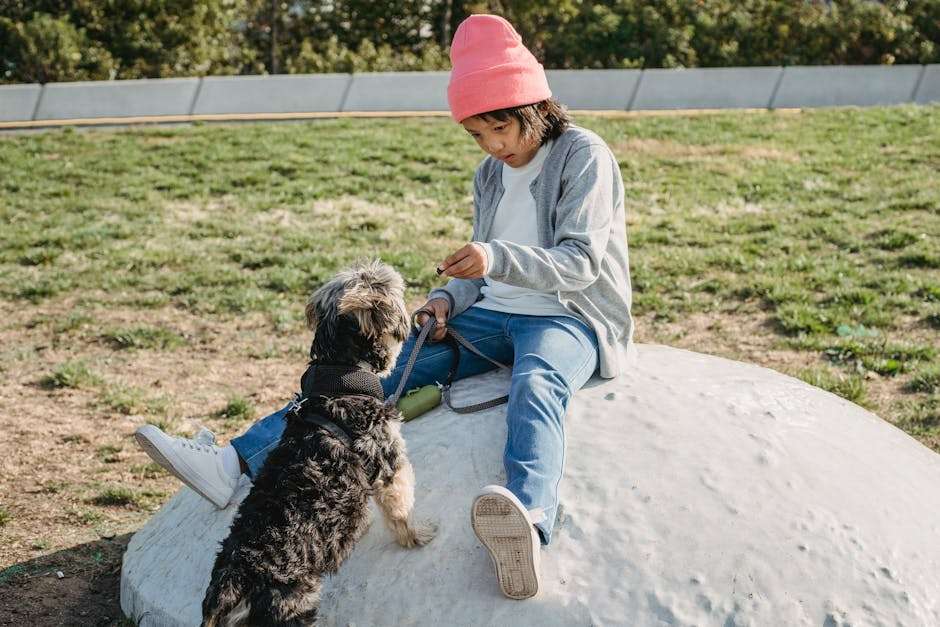
A Parent’s Guide to Training the Family Dog
Bringing a new dog into the family is an exciting journey filled with wagging tails and joyful barks. However, it also comes with the responsibility of training your furry friend. Whether you’re a first-time dog owner or adding another pup to your pack, this guide will help you navigate the sometimes challenging, but ultimately rewarding, process of training your family dog. 🐶
Table of Contents
1. Introduction
2. Understanding Your Dog’s Needs
3. Essential Training Techniques
4. Involving Your Children in the Process
5. Common Challenges and Solutions
6. Conclusion
7. FAQs
Understanding Your Dog’s Needs
Before diving into training, it’s crucial to understand your dog’s unique needs. Each breed, age, and individual dog has different requirements and temperaments.
Breed-Specific Behaviors
Certain breeds have specific traits that can influence their behavior and training. For example, Border Collies are known for their intelligence and energy, making them quick learners but requiring a lot of physical activity. On the other hand, Basset Hounds may need a bit more patience and encouragement during training due to their laid-back nature.
Age and Health Considerations
Puppies are often more adaptable, but they also have shorter attention spans. Older dogs can learn new tricks, but it might take a bit more time and patience. Consider any health issues that might affect training, such as hearing or vision impairments.
Essential Training Techniques
Training your dog involves consistency, patience, and positive reinforcement. Here are some essential techniques to help you along the way:
Positive Reinforcement 🏆
Reward-based training is one of the most effective methods. Use treats, praise, or playtime to reward your dog for good behavior. This encourages them to repeat the actions you want to see.
Basic Commands
Start with basic commands like “sit,” “stay,” “come,” and “leave it.” These commands form the foundation for more advanced training and help establish you as the leader.
Consistency is Key 🔑
Consistency helps your dog understand what is expected. Use the same words and signals for commands, and ensure everyone in the family is on the same page.
Involving Your Children in the Process
Training the family dog can be a wonderful opportunity for children to learn responsibility and empathy. Here’s how to involve them:
Setting Realistic Expectations
Teach your children that training takes time and that mistakes are part of the learning process. Encourage them to be patient and gentle.
Assigning Age-Appropriate Tasks
Even young children can help with training. Assign simple tasks like handing out treats or giving basic commands under supervision. Older kids can take on more responsibility, such as walking the dog or practicing commands independently.
Common Challenges and Solutions
Every dog and family will face unique challenges during training. Here are some common issues and how to tackle them:
Barking and Jumping 😅
Excessive barking and jumping can be frustrating. Redirect these behaviors by teaching an alternative action, like sitting quietly for a reward.
House Training
House training can take time, especially with puppies. Keep a consistent schedule for meals and potty breaks, and reward your dog for going outside.
Dealing with Distractions
Dogs are easily distracted, especially in new environments. Start training in a quiet place and gradually introduce more distractions as your dog becomes more confident.
Conclusion
Training your family dog can be a rewarding experience that strengthens the bond between you and your furry friend. By understanding their needs, using positive reinforcement, and involving the whole family, you can create a harmonious and well-behaved household. Remember, patience and consistency are your best friends on this journey. Happy training! 🐾
FAQs
Q: How long does it take to train a dog?
A: Training is an ongoing process that varies depending on the dog’s age, breed, and individual personality. Basic commands can be learned in a few weeks, but reinforcement is needed throughout your dog’s life.
Q: What if my dog doesn’t respond to treats?
A: If your dog isn’t food-motivated, try using toys, praise, or playtime as rewards. Discover what your dog values most and use that as motivation.
Q: Can older dogs still be trained?
A: Absolutely! Older dogs can learn new tricks, though it might take a bit more time and patience. Consistency and positive reinforcement are key.
Q: How can I stop my dog from pulling on the leash?
A: Teach your dog to walk politely on a leash by stopping and asking them to sit whenever they pull. Reward them for walking nicely beside you to reinforce the behavior.
Q: What should I do if my dog is afraid of strangers?
A: Gradually introduce your dog to new people in a controlled environment, rewarding calm behavior. Over time, this will help them become more comfortable with strangers.