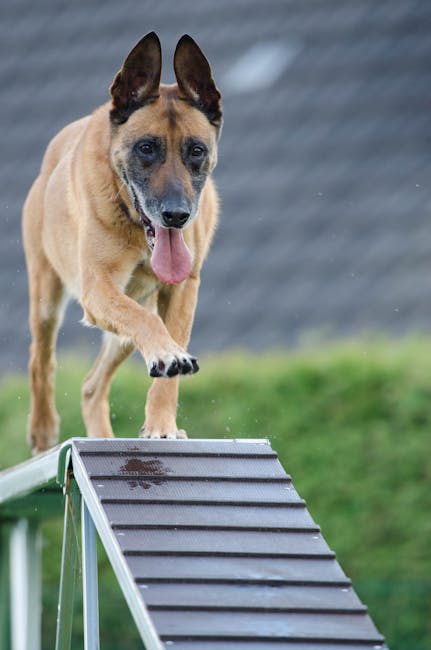
Training Your Dog for Agility Competitions: A Comprehensive Guide 🐕🦺
Agility competitions are not just a test of speed and precision for dogs; they’re also a fantastic way for you and your furry friend to bond, exercise, and have fun. Whether you’re a seasoned competitor or a newbie to the agility world, this guide is your go-to resource for training your dog and getting ready for the thrill of the course.
Table of Contents
1. Introduction
2. Understanding Agility Competitions
3. Choosing the Right Dog for Agility
4. Basic Training Tips
5. Advanced Agility Techniques
6. Building a Training Course at Home
7. Preparing for the Competition Day
8. FAQs
9. Conclusion
Understanding Agility Competitions
Agility competitions are timed obstacle courses where dogs navigate through various challenges such as jumps, tunnels, weave poles, and teeter-totters. These events test a dog’s speed, coordination, and obedience, all while showcasing the incredible bond between handler and dog. Agility competitions are open to all breeds, and they provide a wonderful opportunity for dogs to display their natural athletic abilities.
Choosing the Right Dog for Agility
While any healthy dog can participate in agility, certain breeds are known for excelling in these competitions. Border Collies, Shelties, and Australian Shepherds are popular choices due to their intelligence and agility. However, don’t be discouraged if your dog is not a traditional agility breed. The key is to harness your dog’s unique strengths and enthusiasm.
Basic Training Tips
Before diving into agility-specific training, ensure your dog has mastered basic obedience commands such as sit, stay, and come. These foundational skills will be crucial when guiding your dog through an agility course.
Start with simple obstacles like low jumps or easy tunnels. Use positive reinforcement techniques such as treats and praise to encourage your dog. Always keep training sessions short and fun to maintain your dog’s interest and enthusiasm.
Advanced Agility Techniques
Once your dog is comfortable with basic obstacles, you can introduce more complex challenges. Weave poles, teeter-totters, and the A-frame require precise movements and can be more challenging for your dog to master.
Consistency is key. Regular practice will help your dog build muscle memory and confidence. Consider enrolling in an agility class to receive professional guidance and to expose your dog to different equipment and environments.
Building a Training Course at Home
Creating a home agility course is a fun and effective way to practice. You don’t need expensive equipment to get started. Household items like broomsticks for jumps or cardboard boxes for tunnels can work wonders.
Ensure your makeshift equipment is safe and sturdy. Gradually introduce new obstacles to your course to keep training interesting and challenging for your dog.
Preparing for the Competition Day
The day of the competition can be nerve-wracking for both you and your dog. Arrive early to allow your dog to acclimate to the new environment. Warm-up with a short walk and some light stretching exercises for your dog.
Stay calm and positive. Your dog will pick up on your energy, so maintaining a relaxed demeanor can help soothe any jitters. Remember, the goal is to have fun and enjoy the experience with your dog.
FAQs
Q: What age should my dog be to start agility training?
A: Most experts recommend starting basic training at around 1 year of age, once your dog’s growth plates have closed. However, you can begin with light exercises and basic obedience training earlier.
Q: Can older dogs participate in agility?
A: Absolutely! Many older dogs enjoy agility. Just ensure that the obstacles are appropriate for their age and physical condition.
Q: How often should I train my dog for agility?
A: Aim for short, frequent sessions, about 2-3 times a week. This keeps training fun and prevents overexertion.
Conclusion
Training your dog for agility competitions is a rewarding journey filled with challenges and triumphs. It’s an opportunity to deepen your bond with your canine companion while keeping them physically and mentally stimulated. With patience, consistency, and a lot of love, you and your dog can conquer the agility course and have a blast doing it. So grab those treats, set up that course, and start your agility adventure today! 🐾