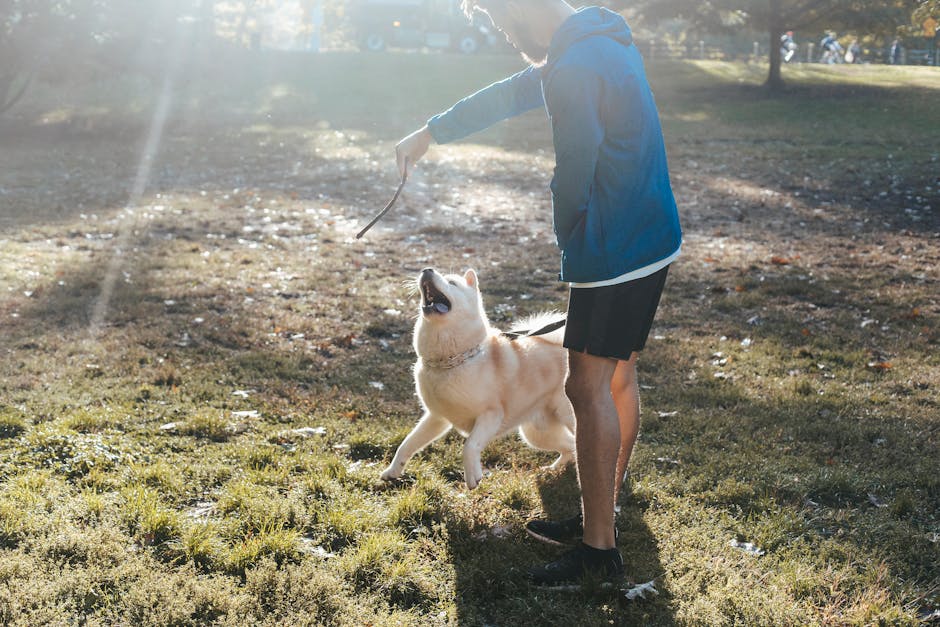
The Connection Between Exercise and Effective Dog Training
Training a dog can sometimes feel like a Herculean task, but what if there was a secret weapon that could make the process smoother, more enjoyable, and ultimately more successful? Enter exercise! Incorporating physical activity into your dog’s daily routine can significantly enhance training effectiveness. In this blog post, we’ll explore the strong connection between exercise and effective dog training, offering insights and tips to make the most of this dynamic duo. 🐾
Table of Contents
1. Introduction
2. The Role of Exercise in Dog Training
3. Types of Exercises to Boost Training
4. Benefits of Regular Exercise for Dogs
5. Tips for Incorporating Exercise into Training
6. Conclusion
7. FAQs
The Role of Exercise in Dog Training
Exercise is to dogs what coffee is to humans—essential for energy and focus. When dogs engage in regular physical activity, their ability to learn and retain new information improves dramatically. Here’s why:
Exercise helps burn off excess energy, reducing distractions during training sessions. A dog that’s had a chance to run and play is more likely to focus on your commands rather than the squirrel darting across the yard.
Moreover, exercise stimulates a dog’s brain, enhancing cognitive function. Activities like agility courses or fetch require problem-solving and quick thinking, which prime your dog’s mind for learning.
Types of Exercises to Boost Training
Not all exercises are created equal when it comes to supporting dog training. Here are a few that stand out:
Walks and Hikes
Regular walks and hikes are great ways to introduce your dog to new environments, which can boost their socialization skills. Use these outings to practice basic commands like “sit” and “stay” amid distractions.
Fetch and Tug-of-War
These games are excellent for teaching impulse control. Command your dog to “wait” before they chase the ball or tug toy, reinforcing patience and obedience.
Agility Training
Agility courses offer a fun, challenging way to engage your dog physically and mentally. Navigating tunnels, jumps, and weave poles can improve your dog’s coordination and reinforce their ability to follow commands.
Benefits of Regular Exercise for Dogs
Besides improving training outcomes, regular exercise offers a plethora of benefits for your furry friend:
Physical Health
Exercise helps maintain a healthy weight, reducing the risk of obesity-related conditions like diabetes and joint issues.
Mental Well-being
Physical activity releases endorphins that can reduce anxiety and depression in dogs, leading to a happier, more balanced pet.
Stronger Bond
Shared activities like walks or playtime strengthen the bond between you and your dog, fostering trust and cooperation.
Tips for Incorporating Exercise into Training
Ready to harness the power of exercise in your training regimen? Here are some tips to get you started:
Create a Routine
Consistency is key. Establish a daily routine that combines exercise with training sessions, making it a habitual part of your dog’s day.
Mix It Up
Keep your dog engaged by varying the types of exercise. Rotate between walks, fetch, and agility to prevent boredom.
Listen to Your Dog
Pay attention to your dog’s body language and energy levels. Adjust the intensity and duration of exercise based on their needs and abilities.
Conclusion
Exercise is not just a supplementary activity but a cornerstone of effective dog training. By integrating regular physical activity into your training routine, you can enhance your dog’s learning abilities, improve their overall health, and strengthen your bond. So, lace up your sneakers, grab that leash, and embark on a journey towards a happier, healthier, and more obedient dog! 🐶
FAQs
Why is exercise important for dog training?
Exercise helps reduce excess energy, improve focus, and stimulate cognitive function, making dogs more receptive to training.
How much exercise does my dog need daily?
The amount varies based on your dog’s breed, age, and health, but generally, 30 minutes to 2 hours of exercise per day is recommended.
Can I over-exercise my dog?
Yes, it’s important to balance exercise with rest. Watch for signs of fatigue or discomfort and adjust exercise intensity accordingly.
What if my dog doesn’t like traditional exercise?
Experiment with different activities to find what your dog enjoys, such as swimming, playing with other dogs, or interactive puzzle games.