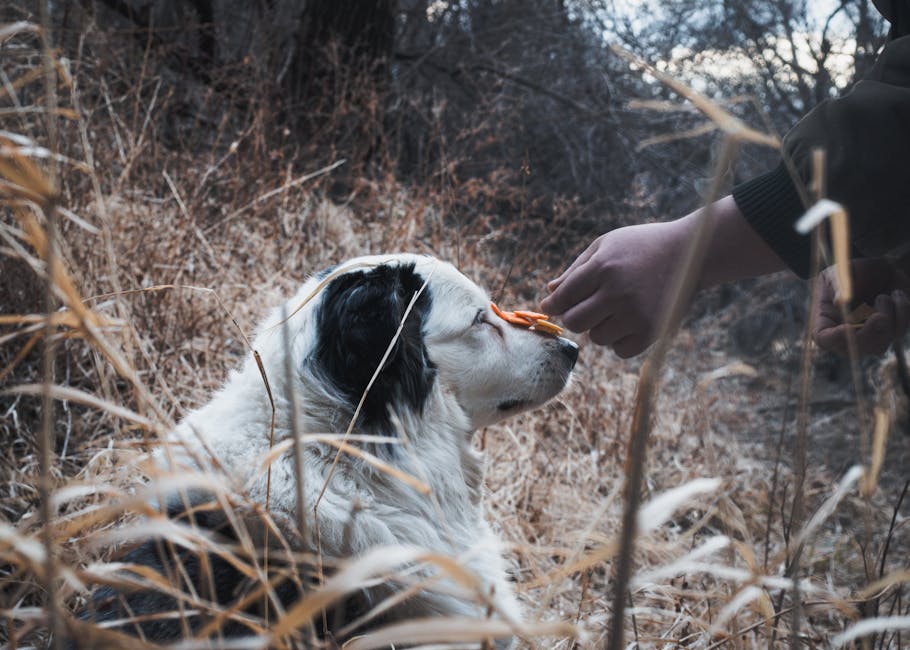
Teaching Your Dog Tricks: Fun and Functional Commands
Dogs are not only adorable companions but also intelligent creatures eager to learn and please their owners. Teaching your dog tricks can be a delightful bonding experience that benefits both you and your furry friend. In this guide, we’ll explore engaging and practical commands that are both fun and functional. Let’s dive in! 🐾
Table of Contents
1. Introduction
2. Why Teach Your Dog Tricks?
3. Getting Started with the Basics
4. Fun Tricks to Impress
5. Functional Commands for Everyday Life
6. Tips for Successful Training
7. Conclusion
8. FAQs
Why Teach Your Dog Tricks?
Teaching your dog tricks goes beyond impressing your friends and family. It strengthens the bond between you and your pet, provides mental stimulation, and enhances your dog’s obedience and behavior. Engaging in training can also be a great source of exercise and fun for both of you.
Getting Started with the Basics
Before jumping into the more complex tricks, it’s essential to ensure your dog is familiar with basic commands like “sit,” “stay,” and “come.” These foundational commands are crucial for safety and will make learning advanced tricks easier.
Start with short training sessions, around 5-10 minutes, to keep your dog focused and interested. Use positive reinforcement, such as treats or praise, to encourage your dog and celebrate their successes. 🐶🎉
Fun Tricks to Impress
Once your dog has mastered the basics, it’s time to have some fun! Here are a few entertaining tricks that are sure to impress:
1. Shake Hands
Teaching your dog to shake hands is a crowd-favorite and relatively simple trick. Start by commanding your dog to sit. Gently lift one of their paws while saying “shake” and reward them when they comply. With practice, your dog will start offering their paw automatically when you say the command.
2. Roll Over
This trick is a bit more advanced but always a hit. Begin with your dog in a lying-down position. Hold a treat close to their nose and move it slowly towards their shoulder. Your dog will naturally follow the treat, rolling over in the process. Don’t forget to reward them after a successful roll!
3. Play Dead
For this dramatic trick, ask your dog to lie down. Then, use a treat to guide them onto their side while saying “bang” or “play dead.” Once they’re in position, offer a reward. This trick can take a bit of patience, but it’s well worth the effort for the laughs it brings. 💀
Functional Commands for Everyday Life
Beyond the fun tricks, functional commands can make everyday life with your dog more manageable and enjoyable. Here are a few to consider:
1. Leave It
Teaching “leave it” can prevent your dog from picking up harmful objects or bothering wildlife. Start by placing a treat in front of your dog and covering it with your hand. When they stop trying to get it, reward them with a different treat. Gradually increase the difficulty by using uncovered treats and adding distractions.
2. Heel
A well-behaved dog that walks calmly by your side is every owner’s dream. Begin by walking with your dog on a leash and use a treat to keep them close to your leg. Use the command “heel” and reward them for staying close and matching your pace.
3. Go to Bed
This command is useful for directing your dog to a specific spot during mealtime or when guests arrive. Lead your dog to their bed or mat using a treat and say “go to bed.” With repetition, they’ll understand where to go when instructed.
Tips for Successful Training
Here are some tips to ensure your training sessions are productive and enjoyable:
Be Consistent: Use the same commands and gestures each time to avoid confusing your dog.
Keep It Positive: Reward good behavior with treats, affection, or playtime. Avoid punishment, as it can lead to fear or anxiety.
Patience is Key: Every dog learns at their own pace. Celebrate small victories and remain patient throughout the process.
Practice Regularly: Short, consistent training sessions are more effective than long, sporadic ones.
Conclusion
Teaching your dog tricks is a fulfilling and enjoyable way to enhance your relationship and improve your dog’s behavior. Whether you’re focusing on fun tricks or practical commands, the key is to make the experience positive for both you and your furry friend. Happy training! 🐕✨
FAQs
Q: How long does it take to train a dog to learn a new trick?
A: The time it takes varies depending on the dog’s age, breed, and personality. Some may learn a new trick in a few days, while others might take a few weeks. Consistency and patience are crucial.
Q: What if my dog doesn’t seem interested in training?
A: Try using different types of treats or rewards and keep sessions short and fun. If your dog seems stressed or disinterested, take a break and try again later.
Q: Can older dogs learn new tricks?
A: Absolutely! While puppies may learn faster, older dogs are fully capable of learning new tricks with the right motivation and training methods.
Q: Are there any tricks that are unsafe for my dog?
A: Avoid tricks that require excessive jumping or could strain their joints, especially for breeds prone to hip or joint issues. Always consider your dog’s health and capabilities.