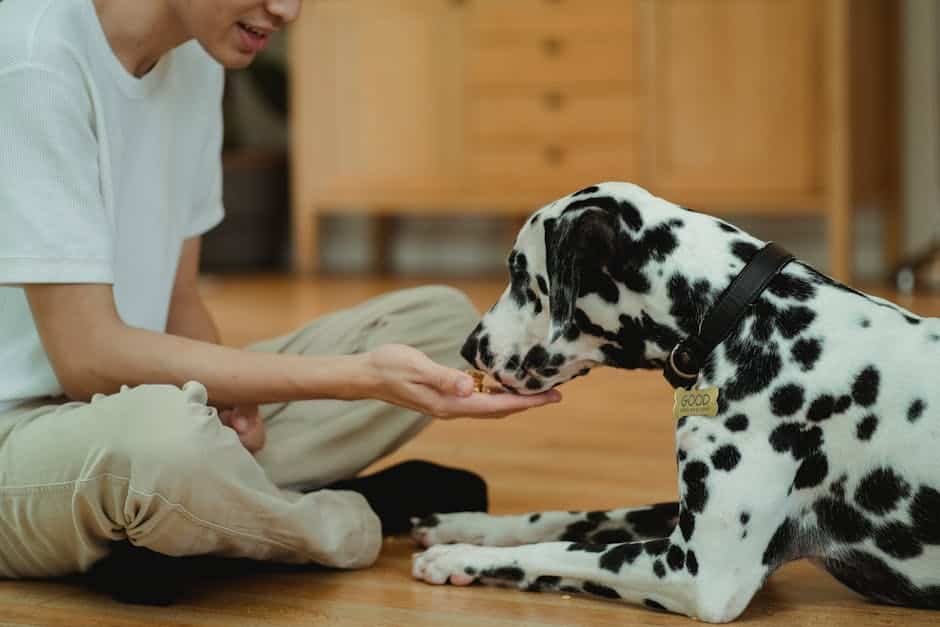
How to Use Treats Effectively in Dog Training
Training your furry friend can be a rewarding experience, both for you and your dog. One of the most popular and effective methods is using treats as a form of positive reinforcement. But how do you use treats effectively to ensure the best results? This comprehensive guide will walk you through the ins and outs of using treats in dog training. 🐶🍖
Table of Contents
1. Introduction
2. Why Use Treats in Dog Training?
3. Choosing the Right Treats 🦴
4. Timing is Everything ⏰
5. How to Use Treats for Basic Commands
6. Gradually Reducing Treats
7. Conclusion
8. FAQs
Introduction
Training your dog not only enhances your bond but also ensures a harmonious home environment. Treats are a powerful tool when it comes to reinforcing positive behavior. However, there is an art to using them effectively. In this post, we’ll cover all the essentials from selecting the right treats to knowing when and how to use them for different commands.
Why Use Treats in Dog Training?
Treats serve as a form of positive reinforcement, which is one of the most effective training techniques. When a dog performs a desired behavior and is rewarded with a treat, they are more likely to repeat the behavior. This method taps into a dog’s natural desire for rewards, making training sessions more enjoyable and productive.
Choosing the Right Treats 🦴
The type of treat you choose can significantly impact your training success. Here are some factors to consider:
1. Size and Calorie Content
Opt for small, low-calorie treats to prevent overfeeding. The treat should be bite-sized to allow for multiple rewards during a session.
2. Flavor and Appeal
Every dog has different tastes. Experiment with different flavors to see which ones your dog responds to most enthusiastically. Remember, a high-value treat, like a piece of chicken or cheese, can be more motivating during challenging tasks.
3. Health Considerations
Ensure the treats are healthy and free from artificial additives. If your dog has dietary restrictions, consult your vet for suitable options.
Timing is Everything ⏰
The timing of when you give a treat is crucial. The treat should be given immediately after the desired behavior to create a clear association. Any delay can confuse your dog about what action earned the reward.
How to Use Treats for Basic Commands
Let’s delve into using treats for some fundamental commands:
1. Sit
Hold a treat close to your dog’s nose and move your hand upwards, allowing the dog’s head to follow the treat. As the dog’s head goes up, their bottom will naturally go down. Once they are in a sitting position, say “sit” and give the treat.
2. Stay
Ask your dog to sit first. Then, open your hand in front of you and say “stay.” Take a few steps back. If they stay, give them a treat. Gradually increase the distance and duration before rewarding.
3. Come
Put a leash on your dog and say “come” while gently pulling the leash towards you. When your dog approaches you, reward them with a treat and lots of praise.
Gradually Reducing Treats
As your dog becomes proficient in the commands, it’s beneficial to gradually reduce the frequency of treats to encourage obedience without expecting a reward every time. This process is known as fading the lure. Replace some treat rewards with verbal praise or petting, so your dog learns to respond to commands without always expecting a treat.
Conclusion
Using treats effectively in dog training can transform your sessions and strengthen the bond between you and your dog. Remember, the key is consistency, patience, and understanding your dog’s unique preferences. Happy training! 🎉🐾
FAQs
1. Can I use regular food as a treat?
Yes, but ensure it’s something your dog finds rewarding and is safe for their diet. Small pieces of boiled chicken or turkey can be excellent choices.
2. How often should I train my dog?
Short, frequent sessions are more effective than long, sporadic ones. Aim for 5-10 minute sessions several times a day.
3. What if my dog isn’t motivated by treats?
Some dogs may respond better to toys, praise, or playtime. Experiment to find what motivates your dog the most.
4. Can treats cause weight gain?
If given excessively, yes. Choose low-calorie treats and adjust your dog’s meal portions accordingly.
With these tips, you’re well on your way to successful dog training using treats. Enjoy the journey and the joyful moments with your loyal companion! 🐕❤️