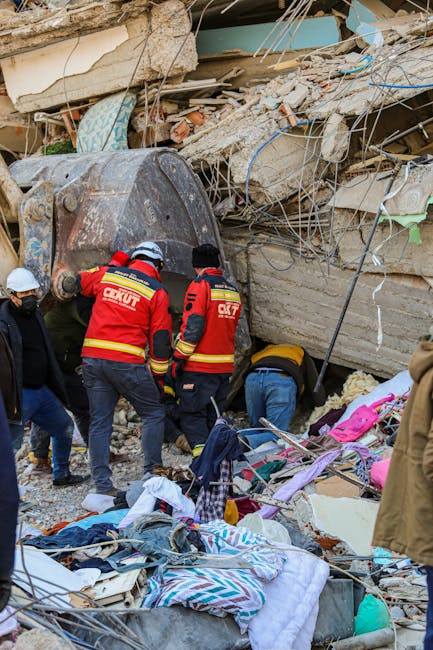
How to Train a Dog for Search and Rescue Missions
Search and rescue (SAR) missions are critical operations that require the utmost precision and skill. Dogs have long been invaluable allies in these missions, thanks to their keen senses and unwavering loyalty. If you’re considering training a dog for search and rescue, you are embarking on a noble journey that can save lives. This guide will walk you through the essential steps to prepare your canine companion for this challenging yet rewarding role. 🐕🦺
Table of Contents
1. Introduction
2. The Importance of Search and Rescue Dogs
3. Traits of an Ideal SAR Dog
4. Steps to Training a Search and Rescue Dog
5. Common Challenges and Solutions
6. Conclusion
7. FAQs
Introduction
The world of search and rescue is filled with stories of bravery and hope. Dogs trained for SAR missions play a pivotal role in these stories, providing their unmatched ability to track scents, navigate difficult terrains, and find lost or trapped individuals. Whether in urban disasters, wilderness searches, or disaster-stricken areas, SAR dogs are heroes on four legs.
The Importance of Search and Rescue Dogs
Search and rescue dogs are often the first responders in disaster situations. Their acute sense of smell allows them to detect human scent over vast distances and through challenging conditions. Their agility and intelligence make them ideal for accessing areas that are difficult for humans to reach. The bond between a SAR dog and their handler is crucial, as it ensures effective communication and trust during rescue operations.
Traits of an Ideal SAR Dog
Not every dog is suited for SAR work. Here are some traits that make an ideal search and rescue dog:
1. Good Temperament: SAR dogs need to be friendly, non-aggressive, and able to work well with both humans and other animals.
2. High Energy Levels: These dogs must possess the stamina to endure long hours of work in various conditions.
3. Intelligence and Trainability: Quick learners with the ability to follow complex commands are essential in SAR operations.
4. Strong Sense of Smell: A powerful nose is critical for tracking and locating individuals.
5. Confidence: SAR dogs should be fearless, willing to explore new environments without hesitation.
Steps to Training a Search and Rescue Dog
Training a SAR dog is a comprehensive process that requires patience and dedication. Here’s a step-by-step guide:
1. Basic Obedience Training
Before diving into SAR-specific training, ensure your dog has mastered basic obedience commands such as sit, stay, come, and heel. This foundation is crucial for more advanced training.
2. Socialization
Expose your dog to various environments, people, and other animals. This exposure helps them remain calm and focused in diverse situations, which is essential during SAR missions.
3. Scent Training
Introduce your dog to scent work by hiding objects with distinct smells and rewarding them for successfully locating them. Gradually increase the difficulty by using human scents and more challenging environments.
4. Agility and Endurance Training
Incorporate agility exercises to help your dog navigate obstacles and challenging terrains. Build their endurance with regular physical exercises, including running and hiking.
5. Field Training
Simulate real SAR scenarios in various environments. Practice search techniques such as grid searches and tracking. Ensure your dog is comfortable working in diverse weather conditions and terrains.
6. Certification and Evaluation
Once your dog is trained, seek certification from a recognized SAR organization. This certification ensures your dog meets the standards required for SAR work and is capable of performing effectively in real missions.
Common Challenges and Solutions
Training a SAR dog is not without its challenges. Here are some common issues and how to address them:
Lack of Focus: Use short training sessions and gradually increase complexity to keep your dog engaged.
Fear of New Environments: Gradual exposure and positive reinforcement can help build confidence.
Inconsistent Performance: Regular practice and maintaining a routine can improve consistency.
Conclusion
Training a dog for search and rescue missions is a significant commitment, but the rewards are immeasurable. With patience, dedication, and the right approach, you can transform your canine companion into a life-saving hero. Remember, the bond you develop during training will not only prepare your dog for SAR missions but also forge an unbreakable partnership. 🌟
FAQs
Q: What breeds are best suited for search and rescue work?
A: Breeds like German Shepherds, Labrador Retrievers, and Belgian Malinois are commonly used due to their intelligence, strength, and excellent sense of smell.
Q: How long does it take to train a SAR dog?
A: Training can take anywhere from 6 months to 2 years, depending on the dog’s aptitude and the level of training required.
Q: Can any dog be trained for search and rescue?
A: While many dogs can learn SAR skills, those with the right traits, such as high energy and a keen sense of smell, are more likely to succeed.
Q: Is professional SAR dog training necessary?
A: Professional training is highly recommended as it ensures the dog is trained to industry standards and is ready for real-world SAR missions.