Training Your Dog for Competitive Obedience: A Comprehensive Guide
Embarking on the journey of training your dog for competitive obedience is a rewarding venture that strengthens the bond between you and your furry friend. Whether you’re a seasoned trainer or a curious beginner, this guide will provide you with the insights and tips needed to succeed in the world of competitive obedience. 🐾
Table of Contents
1. Introduction
2. What is Competitive Obedience?
3. Getting Started
4. Essential Training Techniques
5. Common Challenges and Solutions
6. Preparing for Competitions
7. Conclusion
8. FAQs
Introduction
Competitive obedience is more than just a showcase of your dog’s ability to follow commands; it’s a testament to the partnership and understanding you share. As you train your dog for these events, you’ll delve into a world that prioritizes precision, discipline, and communication. Let’s explore how you can train your pup for the spotlight. 🌟
What is Competitive Obedience?
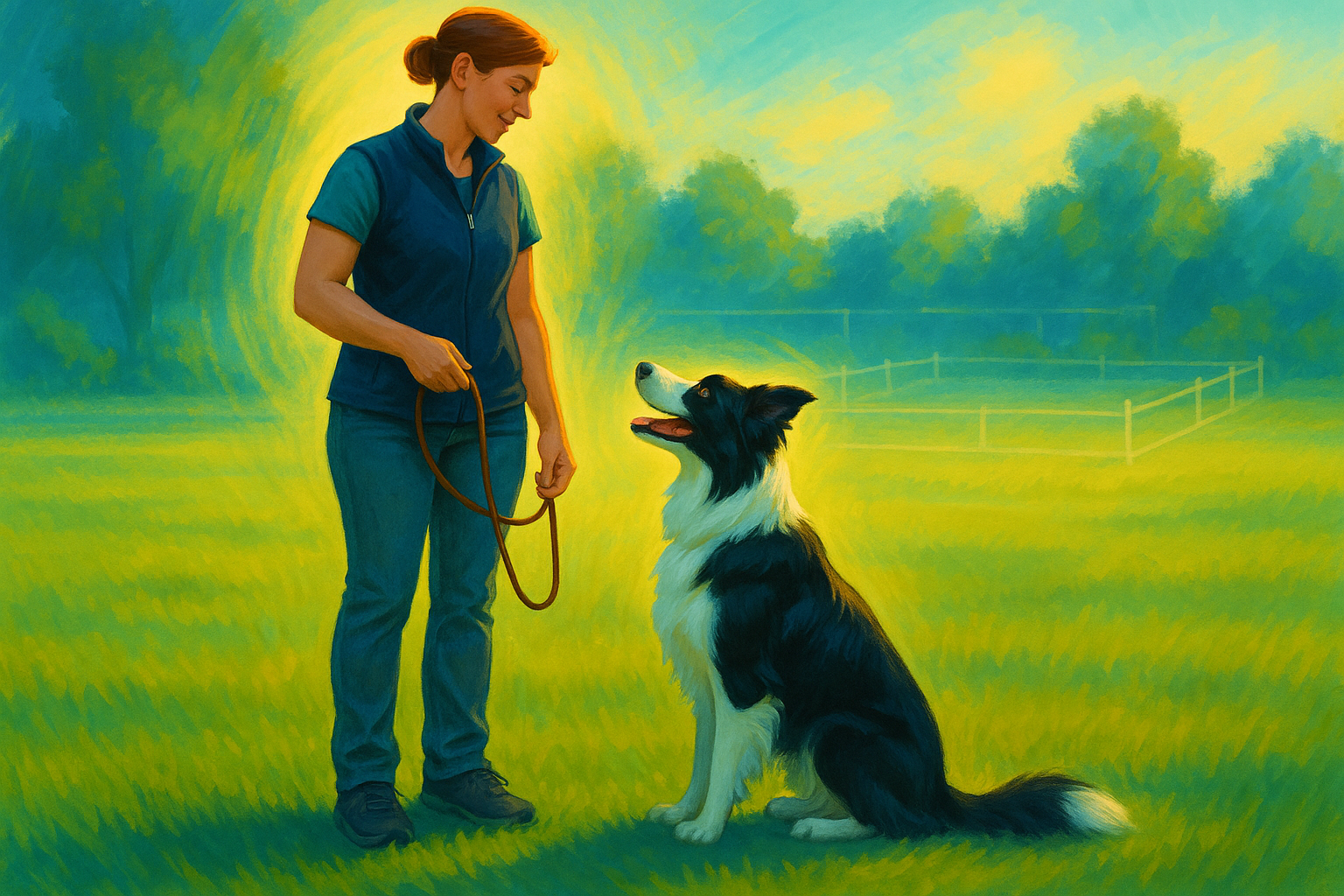
Competitive obedience is a sport where dogs and their handlers compete in trials that test the dog’s ability to execute a series of commands with precision and enthusiasm. These competitions are judged on accuracy, speed, and the overall demeanor of the dog. The ultimate goal is to demonstrate the harmonious relationship between the dog and handler. 🏅
Getting Started
Before you dive into the world of competitive obedience, it’s essential to understand the basics:
Choose the Right Breed
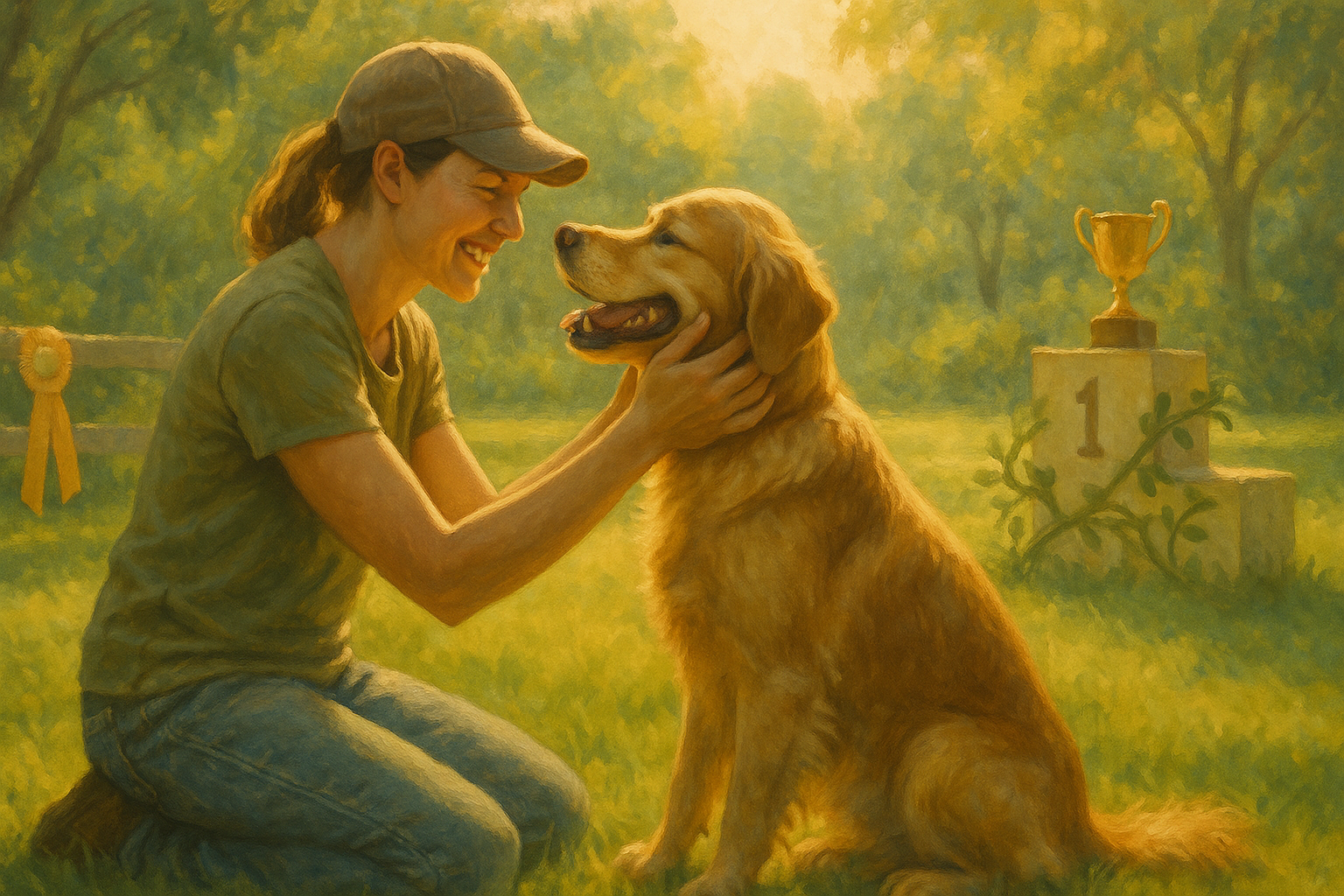
While any dog can compete, certain breeds are naturally more inclined towards obedience tasks. Breeds like Border Collies, Golden Retrievers, and German Shepherds often excel due to their intelligence and eagerness to please.
Understand the Levels
Competitive obedience is typically divided into different levels, from novice to advanced categories. Each level tests different skills, so it’s crucial to train according to the level you plan to compete in.
Invest in Quality Training
Consider enrolling in a local obedience class or working with a professional trainer. This will provide you with the foundational skills needed to start your training journey.
Essential Training Techniques
Training your dog for competitive obedience involves consistency, patience, and the use of effective techniques. Here are some essential methods:
Positive Reinforcement
Encourage your dog through praise, treats, and affection when they perform a task correctly. This reinforcement creates a positive association with the commands.
Clicker Training
Clicker training involves using a small device to make a clicking sound, marking the exact moment your dog performs the desired behavior. This method enhances communication and clarity.
Practice Regularly
Consistency is key. Set a regular training schedule and stick to it. Short, frequent sessions are more effective than long, sporadic ones.
Maintain Patience
Every dog learns at its own pace. Stay patient and avoid showing frustration, as this can negatively impact your dog’s learning experience.
Common Challenges and Solutions
Training for competitive obedience isn’t without its hurdles. Here are a few common challenges and how to overcome them:
Distractions
Training in various environments can help your dog learn to focus despite distractions. Gradually increase the level of distractions as your dog becomes more proficient.
Lack of Motivation
If your dog seems disinterested, try different rewards to see what excites them. Some dogs are motivated by toys, others by treats or affection.
Plateaus
It’s normal to hit a plateau. When this happens, revisit basic commands and ensure your dog is comfortable before progressing to more advanced tasks.
Preparing for Competitions
As the competition day approaches, there are several steps to ensure both you and your dog are ready:
Simulate the Competition Environment
Practice in environments that mimic a competition setting, complete with distractions and commands from strangers.
Familiarize with Rules
Each competition may have specific rules and regulations. Familiarize yourself with these to avoid any surprises on the day of the event.
Health and Well-being
Ensure your dog is in good physical condition. Regular vet visits and a balanced diet play crucial roles in their performance.
Conclusion
Training your dog for competitive obedience is an enriching experience that goes beyond the ribbons and accolades. It’s about creating a strong bond and mutual respect between you and your dog. With dedication, patience, and love, you’re on your way to not only succeeding in the ring but also enjoying a fulfilling relationship with your canine companion. 🐶❤️
FAQs
What age should I start training my dog for competitive obedience?
While basic training can start as early as eight weeks, formal obedience training is often most effective when started at six months to one year, depending on the breed and individual dog’s maturity.
Can older dogs compete in obedience trials?
Yes, older dogs can compete, provided they are in good health. Many older dogs excel due to their maturity and established bond with their handlers.
How long does it take to train a dog for competitive obedience?
The timeline varies depending on the dog, the level of competition, and consistency in training. Some dogs may be ready in a few months, while others may take a year or more.
Are there any specific equipment requirements for competitions?
Most competitions require a standard leash and collar. Specific equipment may vary, so check the rules of the competition you’re entering.
Ready to start your journey? Grab those treats, leash up your dog, and dive into the world of competitive obedience. The bond you build along the way will be your greatest reward. 🌟