How to Train Your Dog to Ignore Distractions
Training a dog to focus on you amidst the chaos of the outside world can be challenging but immensely rewarding. Whether it’s squirrels, other dogs, or the intriguing scents of nature, distractions are everywhere. But fear not! With patience, consistency, and the right techniques, you can teach your furry friend to keep their attention on you, no matter what’s happening around them. 🐕🦺
Table of Contents
1. Introduction
2. Understanding Your Dog’s Distractions
3. Establishing a Strong Foundation
4. Using Positive Reinforcement
5. Gradual Exposure to Distractions
6. Consistency and Patience
7. Common Mistakes to Avoid
8. Conclusion
9. FAQs

Understanding Your Dog’s Distractions
Before diving into training, it’s essential to understand what specifically distracts your dog. Is it other animals, people, or perhaps specific sounds? Identifying these triggers will help you tailor your training sessions effectively.
Each dog has unique distractions based on their breed, age, and personality. For instance, a hunting breed may be more distracted by birds, while a social breed may find humans and other dogs irresistible. Observe your dog closely to pinpoint these distractions.
Establishing a Strong Foundation
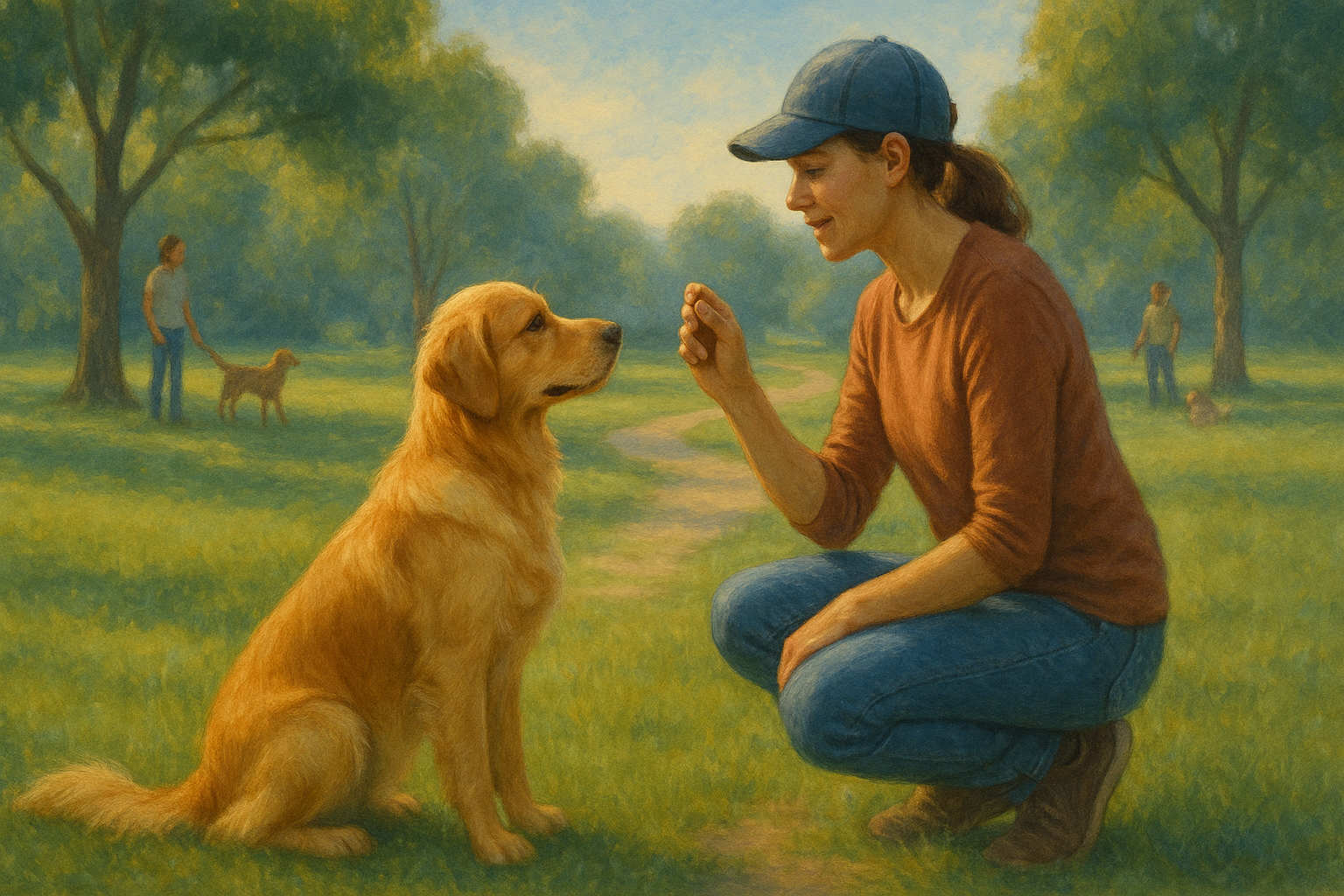
Every successful training regimen begins with a solid foundation. Commands like “sit,” “stay,” and “come” are not just basic obedience skills; they are crucial in managing your dog’s attention. 🐾
Start training in a controlled environment free of distractions. Use clear, consistent commands and reward your dog when they respond correctly. This will build their confidence and reinforce their focus on you.
Using Positive Reinforcement
Positive reinforcement is a powerful tool in dog training. Whenever your dog successfully ignores a distraction and focuses on you, reward them with treats, toys, or affection. This will help them associate ignoring distractions with positive outcomes.
Keep a stash of high-value treats on hand. These should be more enticing than the distractions themselves. Use them sparingly and gradually decrease their frequency as your dog becomes more adept at focusing.
Gradual Exposure to Distractions
Once your dog reliably follows commands in a distraction-free environment, it’s time to introduce distractions gradually. Start with low-level distractions and slowly increase their intensity as your dog becomes more proficient.
For instance, practice in your backyard before moving to a busier environment like a park. If your dog gets distracted, gently redirect their attention back to you using a command or a treat. Patience is key here—overloading your dog with distractions too quickly can backfire.
Consistency and Patience
Consistency and patience are the cornerstones of successful dog training. Practice regularly and maintain the same commands and rewards to avoid confusing your dog. 🐶
Every dog learns at their own pace, so be patient and celebrate small victories. If you encounter setbacks, revisit the basics and gradually work your way up again. Remember, training is a journey, not a race.
Common Mistakes to Avoid
Even experienced dog owners can make mistakes during training. Here are some common pitfalls to watch out for:
– **Inconsistency**: Changing commands or rewards can confuse your dog.
– **Impatience**: Rushing the process can lead to frustration for both you and your dog.
– **Negative Reinforcement**: Punishing your dog for getting distracted can create fear and anxiety.
Conclusion
Training your dog to ignore distractions is a rewarding endeavor that strengthens your bond while making outings more enjoyable for both of you. With a deep understanding of distractions, a strong training foundation, and the use of positive reinforcement, you’ll set your dog up for success. Remember, the journey requires time, patience, and consistency.
Embrace the process, celebrate progress, and enjoy the many adventures you and your well-behaved dog will share. 🌟
FAQs
Q1: How long will it take to train my dog to ignore distractions?
A1: The time frame varies based on your dog’s personality, age, and previous training. Some dogs may learn quickly, while others take weeks or months. Consistency and patience are crucial.
Q2: Can I use a clicker for distraction training?
A2: Absolutely! A clicker can be an excellent tool for marking the exact moment your dog ignores a distraction and focuses on you. Pairing the clicker with treats enhances the training process.
Q3: What if my dog is not food-motivated?
A3: If your dog isn’t motivated by treats, try using toys, praise, or playtime as rewards. Find what excites your dog and use it to your advantage during training.
Q4: Is professional training necessary?
A4: While many owners successfully train their dogs at home, professional trainers can offer valuable guidance, especially for persistent behavioral issues or if you’re struggling with the training process.