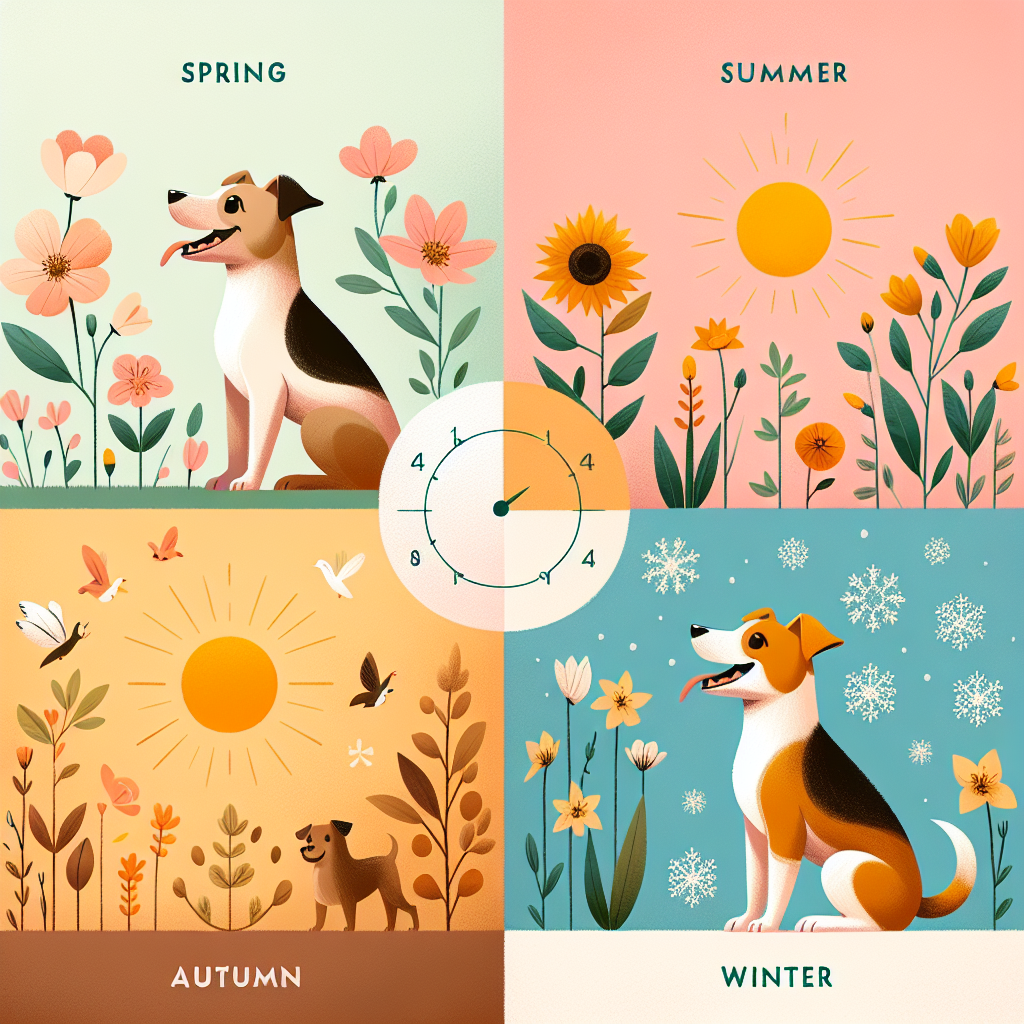
Training Your Dog for Seasonal Changes: Adapting to Weather
As the seasons change, so do the needs of our furry companions. Just like humans, dogs experience the impact of weather shifts, and it’s crucial to prepare them accordingly. Whether you’re dealing with the sweltering heat of summer or the chilly winds of winter, understanding how to train your dog for seasonal changes can make a world of difference. In this blog post, we’ll explore effective strategies to ensure your dog remains happy, healthy, and comfortable all year round. 🐶🌦️
Table of Contents
1. Understanding Seasonal Changes
2. Adapting to Summer Heat
3. Preparing for Fall
4. Winter Training Tips
5. Spring Readiness
6. Conclusion
7. FAQs
Understanding Seasonal Changes
Before diving into specific strategies, it’s essential to understand how different weather conditions affect your dog. Dogs can be sensitive to temperature fluctuations, humidity, and even changes in daylight hours. Recognizing these factors helps you tailor their routine and training sessions to ensure their well-being.
Adapting to Summer Heat
Summer can be challenging for dogs, especially breeds with thick fur or those prone to overheating. Here are some tips to keep your canine cool during the hot months:
Hydration is Key: Ensure your dog has constant access to fresh water. Consider adding ice cubes to their water bowl for an extra cooling effect. 💧
Adjust Exercise Routines: Opt for early morning or late evening walks when temperatures are cooler. Avoid strenuous activities during peak heat hours.
Provide Shade and Cooling Aids: Create shaded areas in your yard and consider using cooling mats or vests to help your dog stay comfortable.
Preparing for Fall
As temperatures drop, it’s time to adjust your dog’s routine to keep them healthy and active:
Fur Care: Fall is shedding season for many dogs. Regular grooming can help manage excess fur and maintain a healthy coat. 🍁
Outdoor Adventures: Fall is perfect for hiking and long walks. However, be mindful of fallen leaves hiding hazards like sharp objects or ticks.
Adjust Diet: As activity levels change, consider adjusting your dog’s diet to prevent weight gain during the less active months.
Winter Training Tips
Winter brings its own set of challenges, from icy sidewalks to shorter days. Here’s how to keep your dog safe and active:
Protect Those Paws: Invest in dog booties to protect your dog’s paws from ice and salt. Regularly check their paws for cracks or irritation. ❄️
Indoor Activities: On particularly cold days, engage your dog with indoor games or puzzle toys to keep them mentally stimulated.
Layer Up: For short-haired breeds, consider using dog sweaters or jackets to keep them warm during outdoor activities.
Spring Readiness
Spring is a time of renewal and energy, making it perfect for revamping your dog’s routine:
Pest Control: Spring is flea and tick season. Ensure your dog is protected with appropriate preventative treatments. 🌸
Spring Cleaning: Take the opportunity to thoroughly clean your dog’s bedding, toys, and accessories to maintain a hygienic environment.
Reintroduce Routine: As the weather improves, gradually increase the intensity and duration of outdoor activities to rebuild your dog’s stamina.
Conclusion
Adapting your dog’s training and care routine to accommodate seasonal changes is vital for their overall well-being. By being mindful of the challenges each season presents and taking proactive measures, you can ensure your furry friend remains happy and healthy throughout the year. Remember, a little preparation goes a long way in making each season enjoyable for both you and your dog! 🐾
FAQs
Q: How can I tell if my dog is overheating in the summer?
A: Signs of overheating include excessive panting, drooling, lethargy, and reddened gums. If you notice these symptoms, move your dog to a cooler place and provide water immediately.
Q: What are the best indoor activities for dogs during winter?
A: Puzzle toys, obedience training, and hide-and-seek games are excellent indoor activities to keep your dog entertained and active during the winter months.
Q: Should I change my dog’s diet with the seasons?
A: It’s not always necessary, but adjusting their diet based on activity levels and seasonal needs can help maintain a healthy weight and energy balance. Consult your vet for personalized advice.
By staying informed and taking a proactive approach, you can ensure your dog thrives in any weather condition. Here’s to happy tails and wagging adventures, no matter the season! 🌍🐕