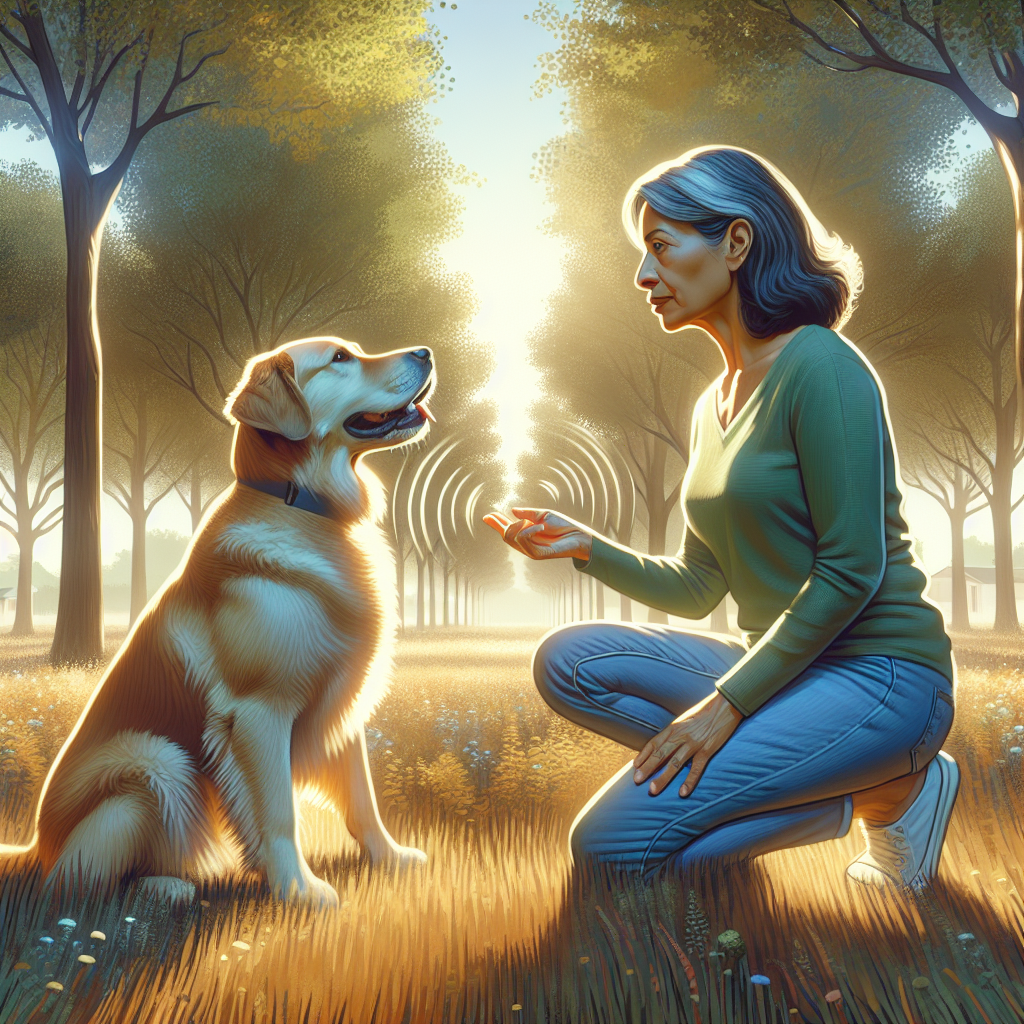
The Impact of Your Tone of Voice in Dog Training
Training a dog can be a delightful yet challenging experience. As a dog owner, understanding the nuances of communication can significantly enhance the training process. One of the most overlooked aspects of this communication is the tone of voice. In this blog post, we will explore how your tone of voice can affect dog training and why mastering it can lead to a more obedient and happier pet. 🐶
Table of Contents
1. Understanding the Tone of Voice
2. Why Tone of Voice Matters in Dog Training
3. Types of Tones and Their Effects
4. Tips for Using Your Tone Effectively
5. Conclusion
6. FAQs
Understanding the Tone of Voice
Our tone of voice is a powerful tool that conveys emotion, intent, and urgency. It’s not just what we say, but how we say it that impacts how our message is received. Dogs, being highly intuitive creatures, pick up on these vocal cues and respond accordingly. A friendly and positive tone can encourage your dog, while a harsh or angry tone may create fear or confusion.

Why Tone of Voice Matters in Dog Training
Effective communication is at the heart of successful dog training. Dogs don’t understand human language in the way we do, but they are incredibly adept at interpreting tone and body language. Your tone can influence your dog’s behavior, emotional state, and even their willingness to follow commands. By using the right tone, you can foster a trusting relationship and create a positive learning environment.
Types of Tones and Their Effects
Let’s dive into some common tones used in dog training and their potential effects:
1. The Happy Tone 🎉
The happy tone is upbeat and encouraging, perfect for rewarding good behavior or teaching new commands. It reinforces positive actions, letting your dog know they’re doing well. Use this tone when praising your dog for successfully sitting, staying, or any other command.
2. The Calm Tone 😌
A calm and soothing tone is ideal for situations where you want to reassure or calm your dog. It’s especially useful in stressful situations, like vet visits or loud environments. This tone helps your dog feel safe and secure.
3. The Firm Tone 💪
When your dog is being stubborn or disobedient, a firm tone can assert authority without being aggressive. It’s important to differentiate between firmness and anger; the former commands respect, while the latter may incite fear.
4. The Warning Tone ⚠️
A warning tone is slightly elevated and urgent, used to stop your dog from potentially dangerous behavior. It’s crucial not to overuse this tone, as it can lose its urgency if used too frequently.
Tips for Using Your Tone Effectively
Here are some practical tips to help you use your tone of voice effectively during dog training:
Be Consistent
Consistency is key. Use specific tones for specific situations to avoid confusing your dog. For example, always use a happy tone for praise and a firm tone for commands.
Match Tone with Body Language
Your tone should align with your body language. Dogs are visual creatures and rely heavily on visual cues. Smiling when using a happy tone or standing tall with a firm tone can reinforce your message.
Practice Makes Perfect
Practice using different tones in various scenarios. The more you practice, the more natural it will become, and your dog will respond better to your cues.
Observe Your Dog’s Reactions
Pay attention to how your dog reacts to different tones. Every dog is unique, and what works for one may not work for another. Adjust your tone based on their responses for optimal results.
Conclusion
Your tone of voice is a vital component of dog training that can significantly impact your dog’s behavior and the strength of your bond. By understanding and effectively using different tones, you can create a more positive and productive training environment. Remember, training is a journey that requires patience, consistency, and a lot of love. 🐾
FAQs
1. Can dogs understand words?
While dogs can learn to associate certain words with actions or objects, they primarily rely on tone and body language to interpret human communication.
2. How can I tell if my tone is too harsh?
If your dog appears scared, anxious, or avoids eye contact, your tone might be too harsh. Try softening your voice and observe their reaction.
3. Can I train my dog to respond to different tones?
Yes, with consistent practice, dogs can learn to associate specific tones with commands or actions, enhancing their responsiveness.
4. How do I keep my tone consistent?
Practice using specific tones for certain commands, and be mindful of your voice during training sessions. Recording and reviewing your sessions can also help.