How to Train a Dog to Use a Specific Area for Potty 🐶🛁
If you’re a dog owner, you know that potty training is one of the first and most crucial tasks to tackle. Guiding your furry friend to use a designated potty area can make life cleaner and more convenient for everyone involved. Learning how to train a dog to use a specific area for potty isn’t just beneficial for you, but it’s also a great way to help your dog feel comfortable and secure. Let’s dive into the steps to achieve potty perfection!
Table of Contents
1. Why Designate a Specific Potty Area?
2. Choosing the Right Spot
3. Training Your Dog: Step-by-Step Guide
4. Tips for Successful Training
5. Common Mistakes and How to Avoid Them
6. FAQs
Why Designate a Specific Potty Area? 🏡
Designating a specific potty area for your dog offers several benefits. It keeps your yard clean, prevents unpleasant odors from spreading, and helps to maintain your landscaping. More importantly, it provides consistency for your dog, which is essential for successful potty training. Dogs thrive on routine, and having a designated spot helps reinforce good habits.
Choosing the Right Spot 🌳
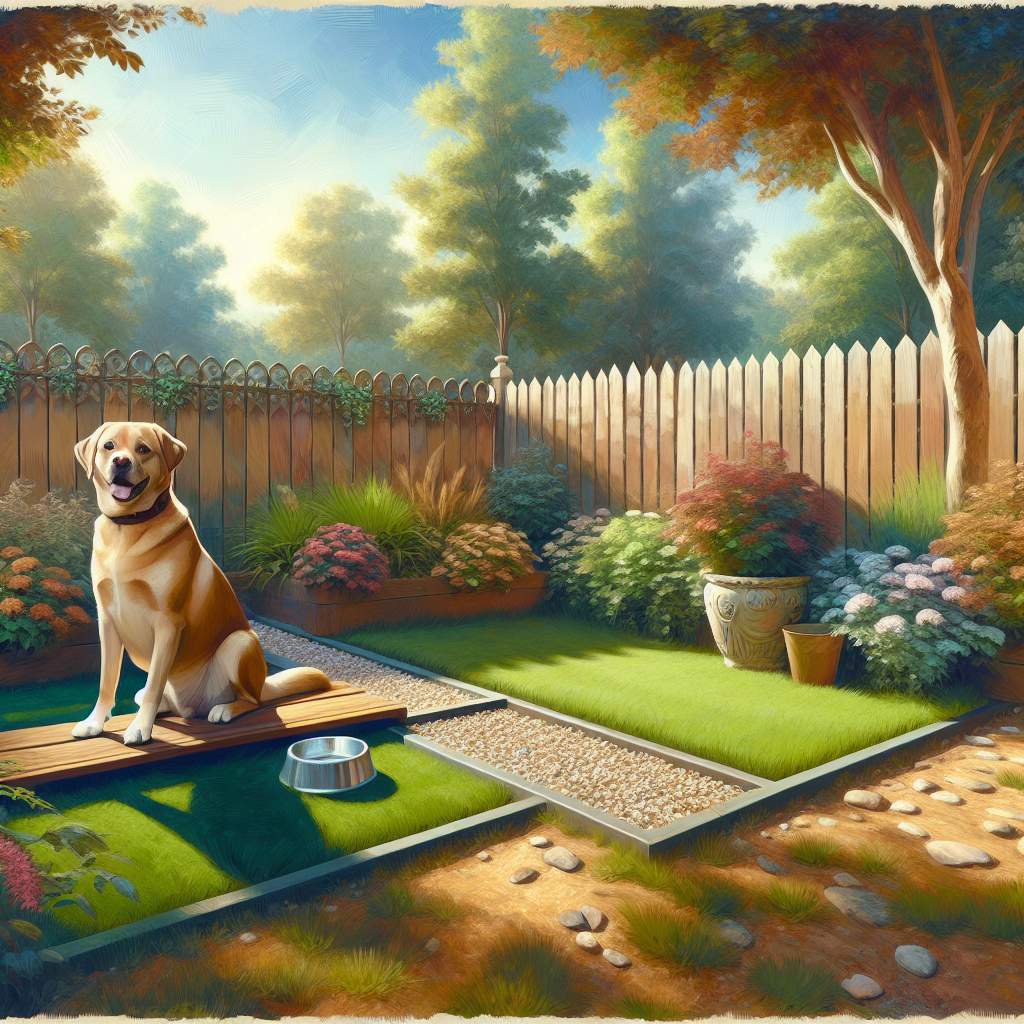
Finding the perfect location for your dog’s potty area is the first step. Consider a spot that is easily accessible yet out of the way of foot traffic. It should be far enough from play areas but close enough that your dog can reach it quickly when nature calls. Also, ensure the area is well-drained and not prone to flooding, which could create a mess during rainy days.
Training Your Dog: Step-by-Step Guide 🐾
1. Establish a Routine
Dogs are creatures of habit, and establishing a consistent routine is key. Take your dog to the designated potty area at the same times each day, such as after meals, playtime, and naps. Consistency helps your dog understand when and where they should go.
2. Use Commands
Introduce a command such as “go potty” or “do your business” to signal your dog to relieve themselves. Use this command each time you take them to the designated area. Over time, they will associate the command with the action.
3. Reward Success
Positive reinforcement is a powerful tool in training. When your dog successfully uses the designated potty area, reward them with praise, treats, or playtime. This will reinforce the behavior and encourage them to repeat it.
4. Be Patient and Consistent
Training takes time, and patience is essential. Be consistent with your routine and commands, and don’t get discouraged by accidents. Remember, consistency is key to long-term success.
Tips for Successful Training 🌟
1. **Limit Access Indoors:** Until your dog is fully trained, limit their access to the house to prevent accidents. Use baby gates or close doors to keep them in a supervised area.
2. **Clean Accidents Thoroughly:** If accidents occur, clean the area thoroughly to remove odors that might attract your dog to the same spot.
3. **Stay Calm:** Dogs can sense frustration. Stay calm and patient, even during setbacks, to maintain a positive training environment.
Common Mistakes and How to Avoid Them 🚫
1. Inconsistent Routine
One of the most common mistakes is not maintaining a consistent routine. Stick to a schedule to help your dog learn when and where to go.
2. Negative Reinforcement
Scolding or punishing your dog for accidents can create anxiety and hinder training. Focus on positive reinforcement instead.
3. Rushing the Process
Training takes time and patience. Avoid rushing the process, as this can confuse your dog and lead to setbacks.
FAQs 🤔
Q: How long does it take to potty train a dog?
A: The time it takes can vary depending on the dog’s age, breed, and temperament. Generally, it can take several weeks to a few months to fully potty train a dog.
Q: What if my dog refuses to use the designated area?
A: If your dog resists using the designated area, reassess the location. It may be too noisy, busy, or uncomfortable. Gradually acclimate your dog to the spot with treats and encouragement.
Q: Can older dogs be trained to use a specific potty area?
A: Yes, older dogs can be trained, though it may take longer than with puppies. Patience and consistency are key, along with understanding their established habits.
Conclusion 🎉
Training your dog to use a specific potty area is a rewarding endeavor that requires patience, consistency, and dedication. By following these steps and tips, you can create a clean, stress-free environment for both you and your furry friend. Remember to celebrate each success and enjoy the journey of building a strong bond with your dog through training. Happy potty training!