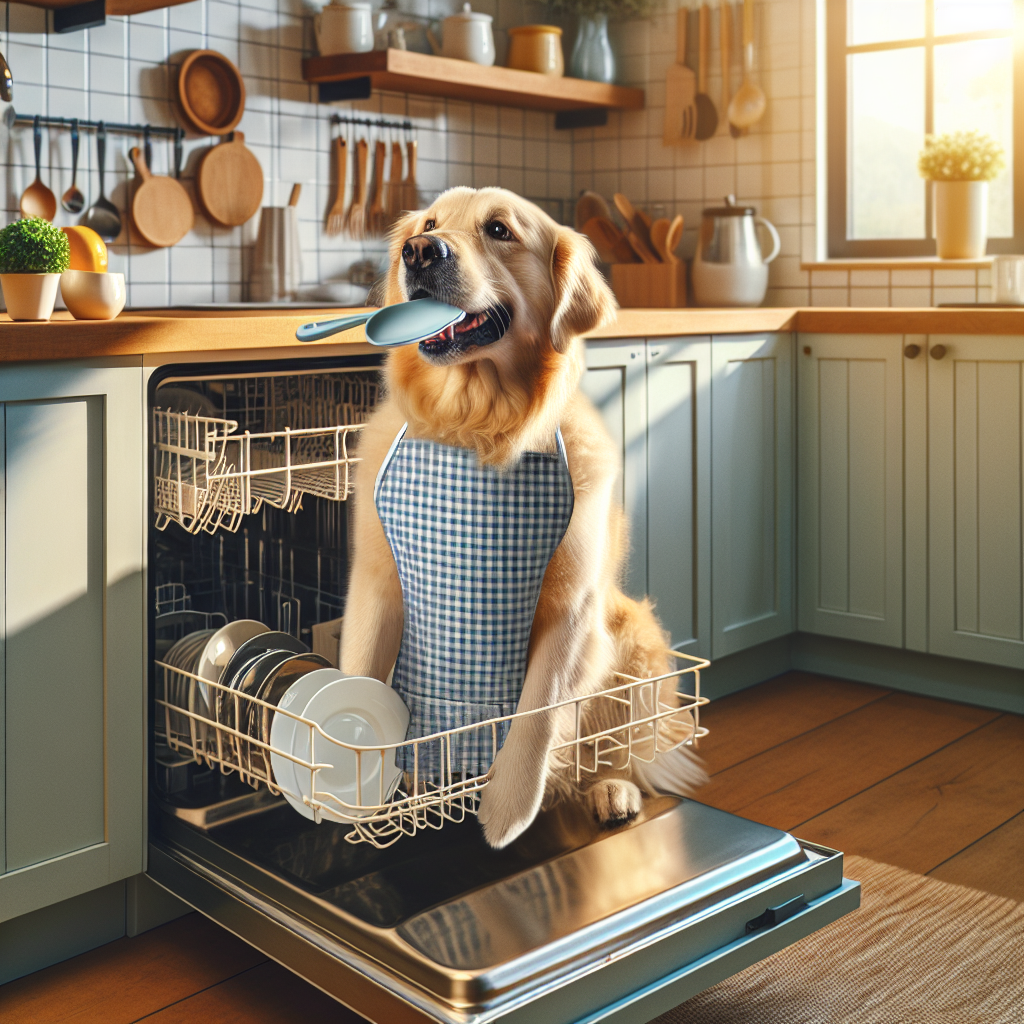
Training a Dog to Assist with Household Chores: A Comprehensive Guide
Ever wondered if your furry friend could lend a paw around the house? Training your dog to assist with household chores not only enhances their skills but also strengthens your bond. In this guide, we’ll explore effective strategies to transform your playful pup into a helpful assistant. 🐶✨
Table of Contents
1. Introduction
2. Understanding Your Dog’s Capabilities
3. Basic Training Techniques
4. Advanced Chore Training
5. Maintaining Motivation and Consistency
6. Conclusion
7. FAQs
Introduction
Dogs are known for their loyalty and companionship, but did you know they can also be trained to perform various household chores? From fetching items to tidying up their toys, dogs can be invaluable helpers. In this blog post, we’ll delve into the process of training your dog to assist with everyday tasks, making life easier for you and more fun for your pet.
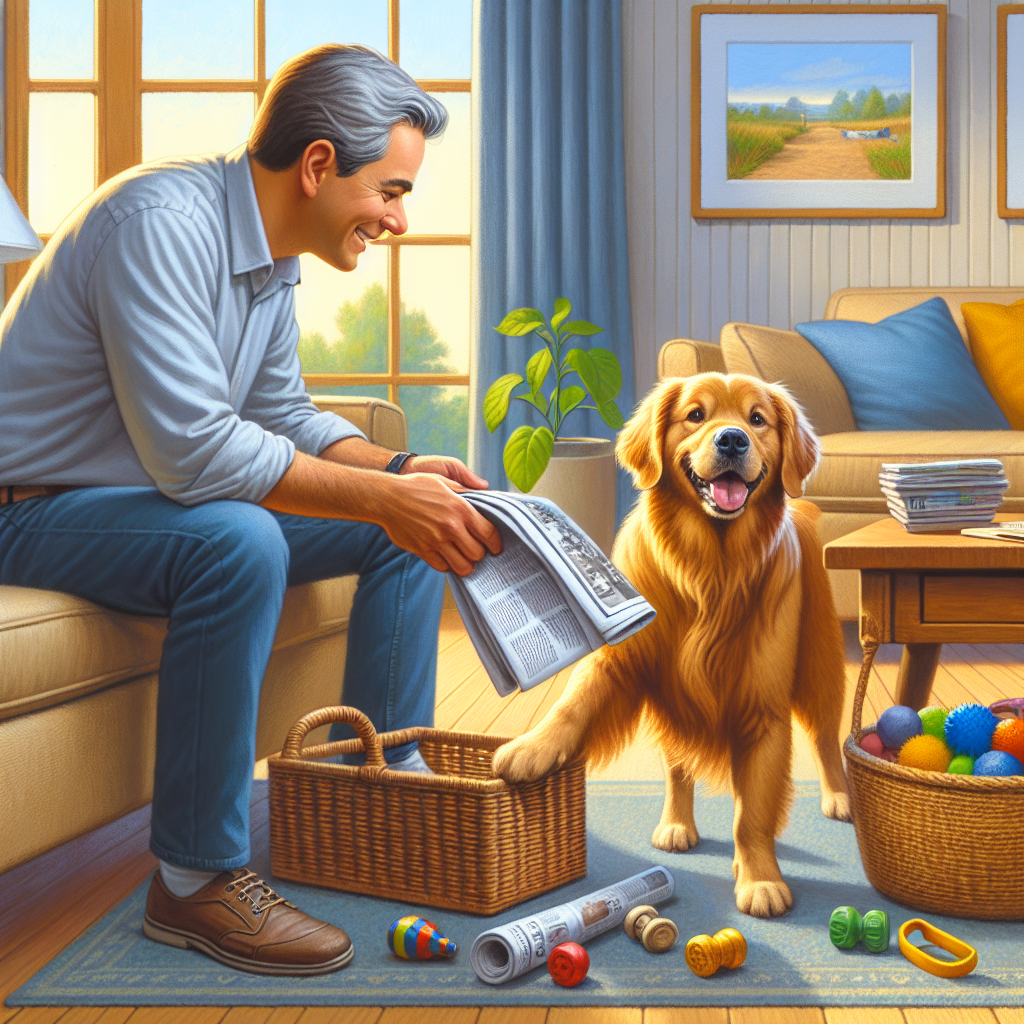
Understanding Your Dog’s Capabilities
Before embarking on chore training, it’s essential to understand your dog’s unique abilities and limitations. While some breeds are naturally inclined towards certain tasks, all dogs have the potential to learn with the right approach.
For instance, herding breeds like Border Collies are naturally adept at tasks requiring precision and agility. On the other hand, retrievers excel in fetching and carrying objects. Assess your dog’s breed traits and individual personality to tailor the training to their strengths.

Basic Training Techniques
Before introducing chore-specific commands, ensure your dog has mastered basic obedience training. Commands such as “sit,” “stay,” “come,” and “leave it” create a foundation for more complex tasks.
Positive Reinforcement: Reward-based training is the most effective approach. Use treats, praise, or playtime to reinforce good behavior, creating a positive association with the task.
Consistency is Key: Practice commands regularly in short sessions to prevent boredom and ensure retention. Consistency in training helps your dog understand expectations and builds confidence.
Advanced Chore Training
Once your dog is comfortable with basic commands, you can start training them for specific chores. Here are some popular tasks dogs can learn to assist with:
1. Fetching Items: Teach your dog to retrieve specific items by name. Begin with simple objects like a remote control or slippers and gradually increase complexity.
2. Cleaning Up Toys: Train your dog to put away their toys in a designated bin. Start by demonstrating the action and rewarding them for attempting to mimic it.
3. Laundry Assistance: Some dogs can be trained to carry laundry to and from the laundry room. Use light items initially and reward them for successful deliveries.
4. Opening/Closing Doors: Install a dog-friendly door handle or rope pull to enable your dog to open and close doors on command. This requires patience and persistence, but it’s a crowd-pleaser!
Maintaining Motivation and Consistency
Maintaining your dog’s interest and enthusiasm is crucial for ongoing success. Here are some tips to keep your dog motivated:
Variety: Switch up the tasks to prevent monotony. Introduce new challenges to keep your dog engaged and mentally stimulated.
Positive Environment: Create a supportive and stress-free environment. Avoid scolding or negative reinforcement, as it can discourage your dog from trying.
Celebrate Success: Celebrate small victories to boost your dog’s confidence. Whether it’s a treat, a belly rub, or a round of their favorite game, recognition is key.
Conclusion
Training your dog to assist with household chores is a rewarding journey that enriches both your lives. By understanding your dog’s capabilities, employing effective training techniques, and maintaining motivation, you can transform everyday tasks into opportunities for bonding and fun. Embrace this unique experience and watch as your canine companion becomes an indispensable part of your home. 🏠🐾
FAQs
Q: Can all dog breeds learn to perform household chores?
A: While most dogs can learn tasks with the right training, some breeds may find certain chores more challenging due to their size or temperament. It’s important to tailor training to your dog’s individual capabilities.
Q: How long does it take to train a dog for chores?
A: The time it takes varies based on the complexity of the task and your dog’s learning pace. Consistent training over several weeks to months is often needed for advanced tasks.
Q: What if my dog loses interest in training?
A: Keep training sessions short and engaging. Introduce new challenges and rewards to maintain interest. If your dog seems uninterested, it may be time for a break or a different approach.
Q: Are there any chores that are not safe for dogs?
A: Yes, avoid tasks that involve handling hazardous materials or require physical exertion beyond your dog’s capabilities. Always prioritize your dog’s safety and well-being.