How to Train a Dog to Respect Wildlife
Training a dog to respect wildlife is not only about ensuring the safety of other animals, but also about keeping your furry friend safe. In this guide, we will explore effective methods and tips to teach your dog how to coexist peacefully with the creatures they may encounter on their outdoor adventures. 🐕🌿
Table of Contents
1. Introduction
2. Understanding the Importance
3. Start with Basic Obedience Training
4. Socialization with Different Environments
5. Using Positive Reinforcement
6. Leash Training and Recall Commands
7. Monitoring and Supervision
8. Conclusion
9. FAQs
Introduction
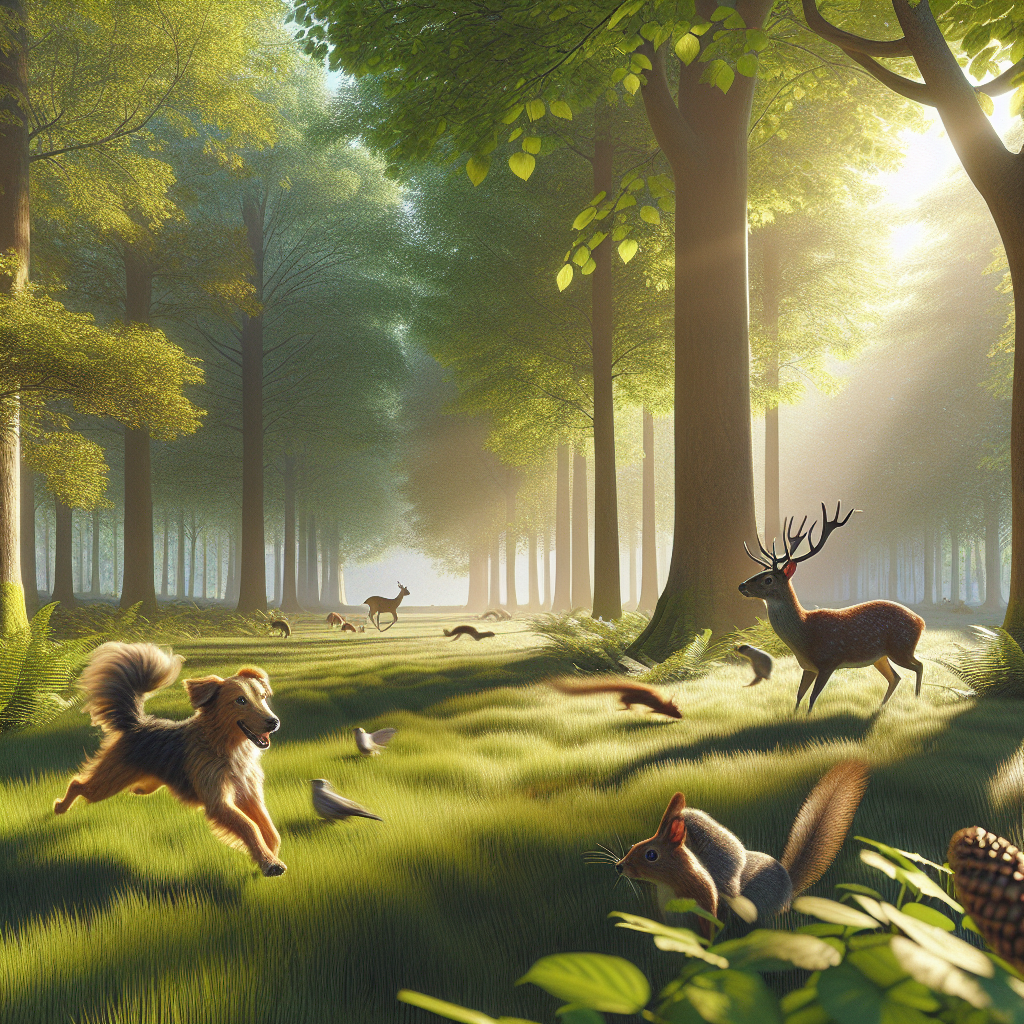
Dogs are naturally curious creatures with a strong instinct to chase and explore. While this enthusiasm is part of their charm, it can lead to unintended consequences when they encounter wildlife. Whether it’s a squirrel in the park or a deer in the woods, understanding how to manage your dog’s interactions with wildlife is crucial for a harmonious relationship with nature.
Understanding the Importance
Before diving into training techniques, it’s essential to understand why it matters. Interaction with wildlife can be dangerous for both your dog and the wild animals. Dogs can disrupt natural habitats, spread diseases, and even become targets for defensive wildlife. Teaching respect for wildlife helps preserve ecosystems and ensures that your dog enjoys safe and enriching outdoor experiences.

Start with Basic Obedience Training
To lay the foundation for respecting wildlife, begin with basic obedience training. Commands like “sit,” “stay,” and “leave it” are crucial. These commands will be invaluable in controlling your dog when they become overly excited or curious about a wild animal. Consistent practice in a variety of settings will reinforce these commands and improve your dog’s discipline.
Socialization with Different Environments
Expose your dog to various environments where they might encounter wildlife. This could include parks, forests, or even the backyard. By gradually introducing them to these settings, your dog will learn to remain calm and composed despite the presence of other animals. Take note of your dog’s reactions and work on areas where they need improvement.
Using Positive Reinforcement
Positive reinforcement is a powerful tool in dog training. Whenever your dog ignores wildlife or responds to a command instead of chasing after a creature, reward them with treats, praise, or playtime. This approach encourages them to repeat the desired behavior, creating a positive association with respecting wildlife.
Leash Training and Recall Commands
Leash training is essential for controlling your dog in areas abundant with wildlife. It provides you with the ability to guide their interactions safely. Additionally, a strong recall command is vital. Practice calling your dog back to you using a firm, clear voice, and reward them for returning promptly. This can prevent potential encounters from escalating.
Monitoring and Supervision
Even with training, it’s important to supervise your dog when in wildlife-rich areas. Keep an eye on their body language and be ready to intervene if they become too interested in pursuing an animal. Remember, training is an ongoing process, and consistent supervision will help reinforce it.
Conclusion
Training your dog to respect wildlife requires patience, consistency, and a deep understanding of both your dog’s behavior and the environment. By implementing these strategies, you can help ensure that your dog enjoys nature responsibly, preserving the beauty and balance of wildlife for future generations. 🌎🐾
FAQs
Q: Why is it important to train my dog to respect wildlife?
A: Training your dog to respect wildlife helps protect both your pet and wild animals, preserving natural habitats and preventing harmful interactions.
Q: What should I do if my dog encounters a wild animal?
A: Remain calm and use commands like “leave it” or recall commands to redirect your dog’s attention. Ensure your dog is leashed in areas with abundant wildlife.
Q: Can all dogs be trained to respect wildlife?
A: While individual results may vary, most dogs can learn to respect wildlife with consistent training and positive reinforcement tailored to their specific needs.