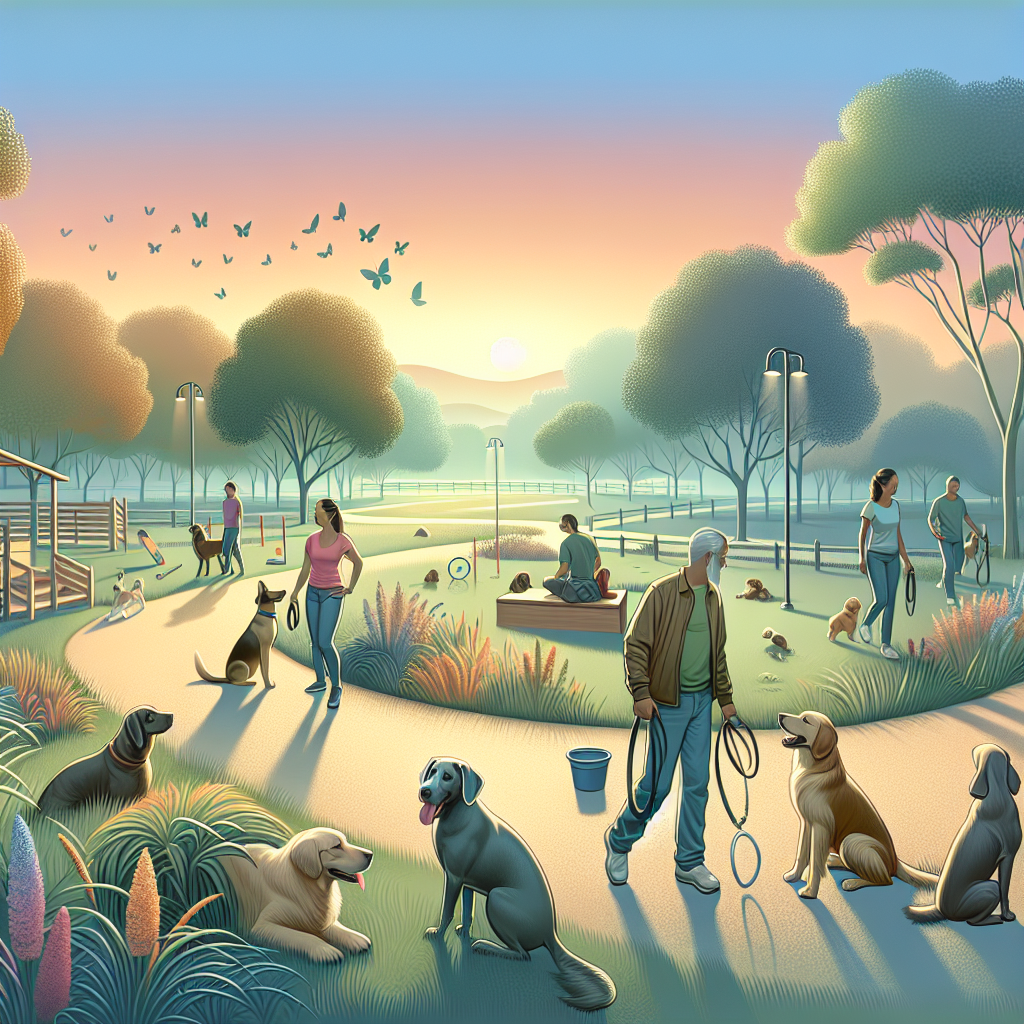
The Role of Adaptability in Dog Training
Training a dog can be one of the most rewarding experiences for any pet owner. However, it often requires patience, consistency, and most importantly, adaptability. Understanding how to adjust your training methods to fit your dog’s unique personality and learning pace can make all the difference. In this blog post, we’ll explore the vital role adaptability plays in successful dog training. 🐶
Table of Contents
1. Introduction
2. Understanding Your Dog’s Unique Needs
3. Adapting Training Techniques
4. The Importance of Consistency and Flexibility
5. Overcoming Common Training Challenges
6. Conclusion
7. FAQs
Introduction
When it comes to dog training, there’s no one-size-fits-all approach. Just like humans, dogs have distinct personalities, preferences, and learning styles. This is where adaptability becomes crucial. By being adaptable, you can tailor your training methods to accommodate your dog’s needs, ensuring a more effective and enjoyable training experience for both of you. 🌟
Understanding Your Dog’s Unique Needs
Every dog is different, and understanding these differences is the first step in adaptable training. Some dogs are highly energetic and require more physical activity, while others might be shy and need gentle encouragement. Spend time observing your dog’s behavior and reactions to different stimuli. This will help you identify what motivates them and how they respond to various training techniques.

For instance, if your dog is food-motivated, using treats as a reward can be highly effective. Conversely, if your dog loves playtime, a quick game of fetch might be the perfect incentive. By recognizing what makes your dog tick, you can adapt your training approach to suit their individual needs. 🎾
Adapting Training Techniques
Once you’ve understood your dog’s needs, the next step is to adapt your training techniques accordingly. Here are a few strategies to consider:
1. Positive Reinforcement: This involves rewarding your dog for desired behavior, encouraging them to repeat it. Adapt the rewards based on what your dog enjoys most, be it treats, toys, or affection.
2. Variable Training Sessions: Keep training sessions short and varied. Dogs, like humans, can get bored with repetitive routines. Mix up the activities to keep your dog engaged and excited to learn.
3. Patience and Pacing: Every dog learns at their own pace. Be patient and adapt your expectations to match your dog’s learning speed. It’s essential not to rush the process or become frustrated, as this can create a negative training environment.
The Importance of Consistency and Flexibility
Consistency is key in dog training, but so is flexibility. While maintaining a consistent routine helps your dog understand what’s expected, being flexible allows you to adjust your methods if something isn’t working.
Imagine you’re teaching your dog to sit, but they’re struggling to grasp the command. Instead of sticking rigidly to one method, try a different approach. Maybe use hand signals instead of verbal commands, or change the environment to reduce distractions.
This balance between consistency and flexibility is the hallmark of a successful training regimen. It ensures your dog feels secure and understands the training while allowing room for adjustments that cater to their unique learning style. 🔄
Overcoming Common Training Challenges
Training challenges are inevitable, but an adaptable approach can help you overcome them. Here are some common issues and adaptable solutions:
1. Distractions: If your dog is easily distracted, start training in a quiet environment and gradually introduce distractions. As they improve, you can transition to busier settings.
2. Fear or Anxiety: For dogs that are anxious, employ a calm and reassuring demeanor. Gradually expose them to new experiences at their comfort level, rewarding any progress, no matter how small.
3. Stubbornness: Some dogs can be stubborn. In such cases, changing the reward system or trying different training tools can help. For instance, using a clicker might capture their attention better than verbal praise.
Conclusion
Adaptability in dog training is not just about changing tactics; it’s about understanding and respecting your dog’s individuality. By being adaptable, you create a positive, supportive environment that fosters learning and strengthens the bond between you and your furry friend. Remember, every dog is unique, and with patience and flexibility, you can unlock their full potential. 🐾
FAQs
Q: How long does it take to train a dog?
A: The time it takes to train a dog varies greatly depending on the dog’s age, breed, and personality, as well as the consistency of the training. Some dogs may pick up commands within a few days, while others might take weeks or even months.
Q: What if my dog isn’t responding to traditional training methods?
A: If traditional methods aren’t working, try experimenting with different techniques and rewards. Consider consulting a professional trainer who can provide personalized advice.
Q: Can older dogs be trained effectively?
A: Absolutely! While puppies might learn faster, older dogs can still be trained successfully with patience and the right approach.
Q: How can I make training more fun for my dog?
A: Incorporate games and activities your dog enjoys, keep sessions short to maintain their interest, and always end on a positive note to leave your dog eager for the next session. 🎉