
How to Train a Dog to Not Fear New Environments
Welcoming a new dog into your life brings immense joy, but it also comes with its own set of challenges. One common issue many dog owners face is helping their furry friends feel comfortable in new environments. If your dog is anxious or scared of unfamiliar places, this guide will help you train your dog to embrace new experiences with confidence. 🐾
Table of Contents
1. Understanding Your Dog’s Fear
2. Building Trust and Confidence
3. Gradual Exposure Techniques
4. Positive Reinforcement Strategies
5. Utilizing Familiar Objects
6. Recognizing Signs of Stress
7. FAQs
Understanding Your Dog’s Fear
Before diving into training techniques, it’s crucial to understand why your dog might be fearful. Dogs can develop anxiety due to genetics, lack of socialization, or past traumatic experiences. Recognizing these factors will help tailor your approach to the specific needs of your dog.

Building Trust and Confidence
The foundation of any successful training lies in building a strong bond with your dog. Spend quality time together through play and regular walks. This not only strengthens your relationship but also boosts your dog’s confidence in you as their leader.
Gradual Exposure Techniques
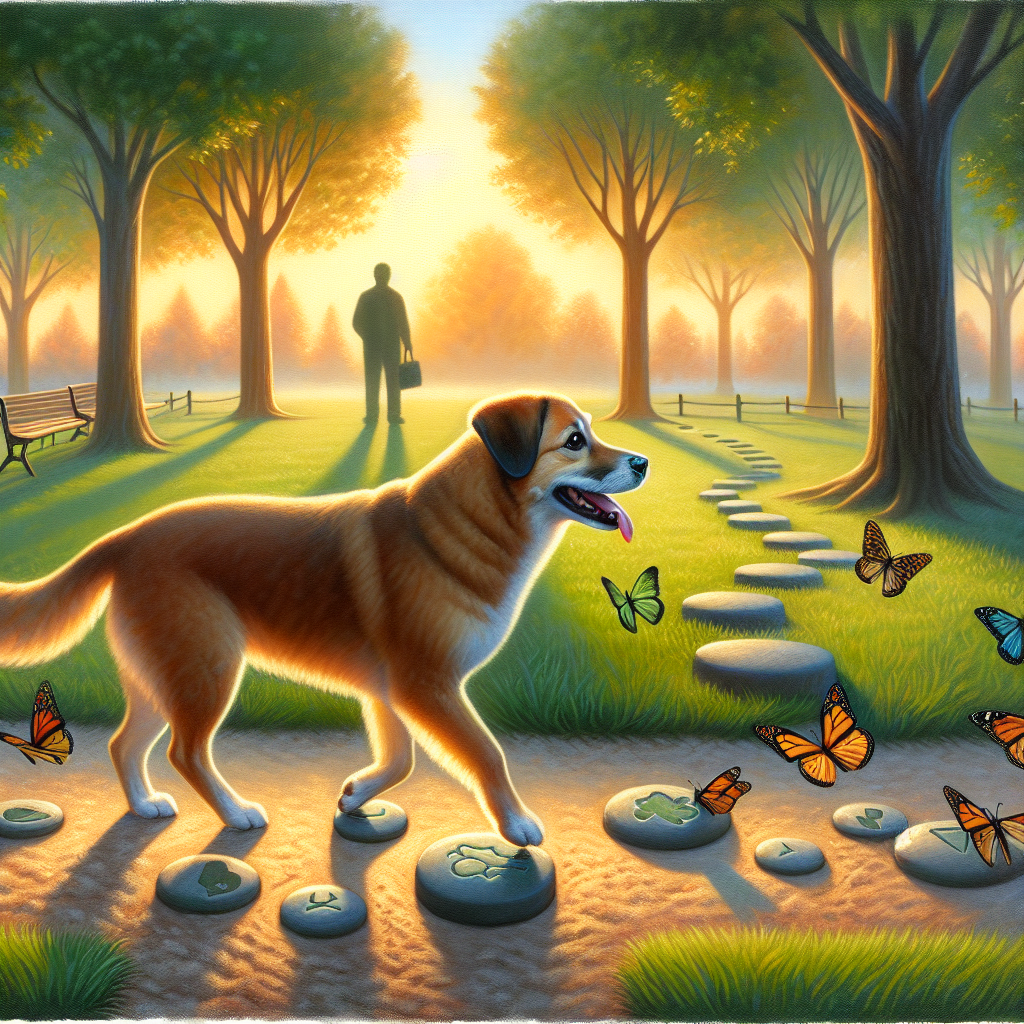
Exposure therapy is a powerful tool to help dogs overcome fear. Start by introducing your dog to new environments slowly. Begin with less intimidating settings like a quiet park or an empty parking lot. Over time, gradually increase the complexity of the environment, such as busier streets or crowded areas.
Positive Reinforcement Strategies
Utilizing positive reinforcement is key in encouraging desired behaviors. Carry treats or a favorite toy to reward your dog for calm behavior in new environments. Consistently praise and reward them to create positive associations and reduce anxiety.
Utilizing Familiar Objects
Bringing familiar items from home can provide comfort to your dog in new surroundings. A favorite blanket or toy can remind them of home and reduce stress. Use these objects strategically to help ease transitions into unfamiliar areas.
Recognizing Signs of Stress
Understanding your dog’s body language is essential in identifying stress signals. Look for signs like panting, yawning, or a tucked tail. If your dog exhibits these behaviors, it may be time to retreat and try again later, ensuring not to push them too far too fast.
Conclusion
Training a dog to not fear new environments is a journey that requires patience and empathy. By understanding your dog’s fears, building trust, and using gradual exposure coupled with positive reinforcement, you can help your dog become a confident adventurer. Remember, each dog is unique, so tailor your approach to suit your furry friend’s personality and needs.
FAQs
Q: How long will it take to train my dog to not fear new environments?
A: The timeline varies for each dog. Some may take weeks, while others might take months. Consistency is key!
Q: What if my dog refuses to enter a new environment?
A: Never force your dog. Instead, try to understand the underlying fear and work gradually to desensitize them.
Q: Can older dogs be trained to overcome their fears?
A: Absolutely! While it might take a bit more time and patience, older dogs can definitely learn to be more comfortable in new environments.
Embrace the journey, and soon enough, you and your courageous canine companion will be exploring the world together, one paw step at a time! 🌍🐶