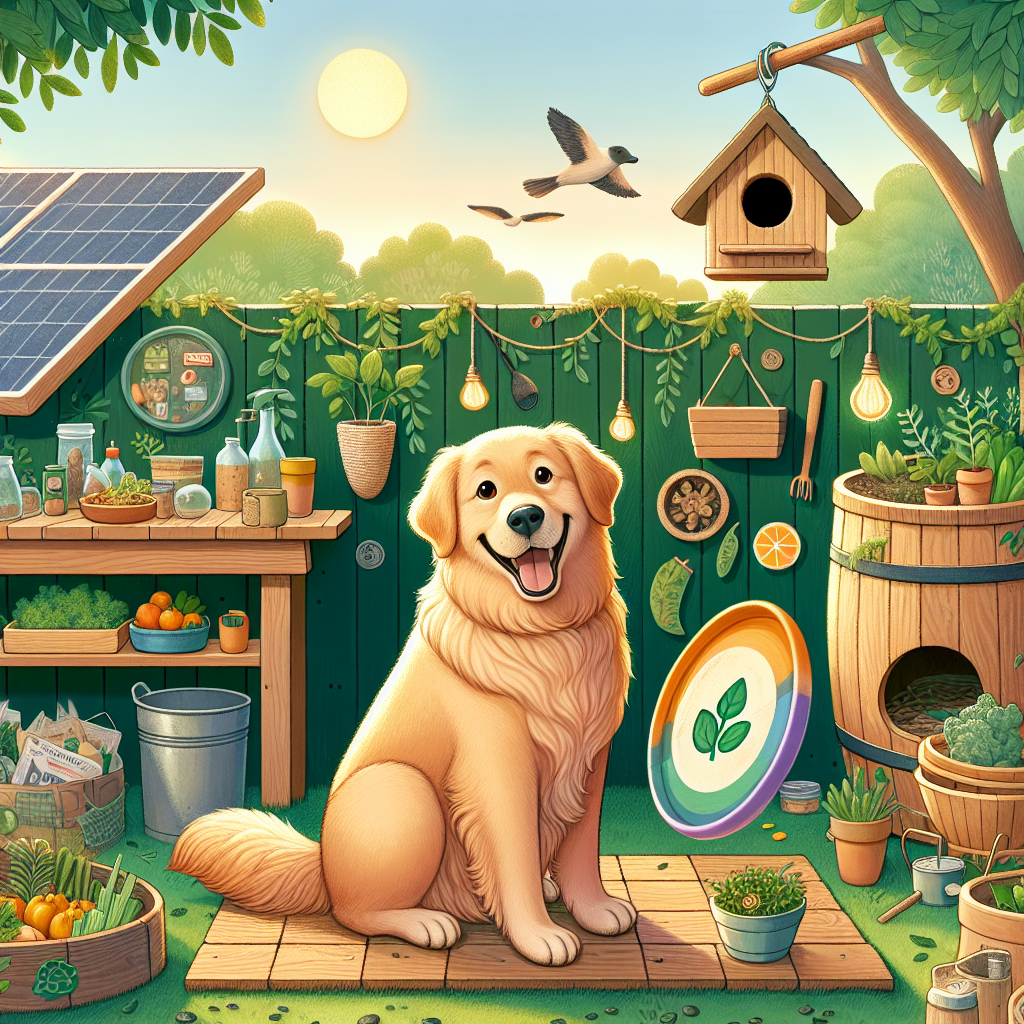
Training Your Dog for a Sustainable Lifestyle
In today’s world, sustainability is more important than ever. As we strive to reduce our carbon footprint and live more eco-friendly lives, it’s only natural that we extend this mindset to our furry friends. Training your dog for a sustainable lifestyle not only benefits the planet but also enhances your bond with your pet. In this blog post, we’ll explore practical tips and strategies for incorporating sustainability into your dog’s daily routine.
Table of Contents
1. Introduction
2. Understanding Canine Sustainability
3. Eco-Friendly Training Techniques
4. Sustainable Dog Diets
5. Green Grooming Practices
6. Eco-Conscious Playtime
7. Conclusion
8. FAQs
Understanding Canine Sustainability
Before diving into the how-tos, it’s important to grasp what sustainability means in the context of your dog’s life. Canine sustainability involves minimizing waste, reducing energy consumption, and opting for natural, eco-friendly products. By making conscious choices, you can significantly reduce your dog’s environmental impact.
Eco-Friendly Training Techniques
Positive Reinforcement
Using positive reinforcement is not only effective but also aligns with sustainable practices. Instead of using disposable training aids like collars and leashes made from synthetic materials, opt for long-lasting, natural alternatives such as hemp or bamboo. Reward your dog with organic treats, which are healthier and have a smaller environmental footprint.
Homemade Toys
Instead of buying plastic toys that end up in landfills, consider making your own from recycled materials. Old t-shirts or towels can be braided into tug toys, and tennis balls can be repurposed for fetching. Not only are these options more sustainable, but they also add a personal touch to your playtime with your dog.
Sustainable Dog Diets
The food your dog eats can have a significant impact on the environment. Choosing sustainable options can make a big difference.
Choose Organic and Local
Whenever possible, select organic dog food made with locally sourced ingredients. This reduces the carbon footprint associated with transportation and supports local farmers. Additionally, organic foods tend to be free from harmful pesticides and GMOs, making them a healthier choice for your pup.
DIY Dog Meals
If you’re up for it, consider preparing homemade meals for your dog. This allows you to control the ingredients and ensure they’re both nutritious and sustainable. Incorporate ingredients like leftover vegetables or meat scraps that might otherwise go to waste.
Green Grooming Practices
Grooming is another area where sustainability can be easily integrated into your dog’s routine.
Natural Grooming Products
Switch to shampoos and conditioners that are made from natural ingredients and are free from harmful chemicals. These products are not only better for the environment but also gentler on your dog’s skin.
Biodegradable Grooming Tools
Invest in grooming tools made from sustainable materials. Bamboo brushes and combs are excellent alternatives to plastic ones, and they often last longer too!
Eco-Conscious Playtime
Play is an essential part of a dog’s life, and it can be made sustainable with a few thoughtful choices.
Outdoor Adventures
Instead of driving to a dog park, take advantage of local green spaces. Walking to nearby parks not only reduces emissions but also provides exercise for both you and your dog.
Reusable Gear
When buying gear like leashes or harnesses, look for items that are durable and made from recycled materials. This ensures they last longer, reducing the need for frequent replacements.
Conclusion
Training your dog for a sustainable lifestyle is a rewarding journey that benefits both the planet and your pet. By making conscious choices in training, diet, grooming, and play, you can reduce your dog’s environmental impact while enhancing your bond. Remember, every small step counts towards a greener future for both you and your furry friend! 🌍🐾
FAQs
Can I train an older dog for a sustainable lifestyle?
Absolutely! It’s never too late to make eco-friendly changes. Older dogs can adapt to new routines with patience and positive reinforcement.
Are organic dog foods more expensive?
While organic options can be pricier, they often provide better nutrition and fewer health issues in the long run, potentially saving on vet bills.
How can I make sure the products I buy are truly eco-friendly?
Look for certifications like USDA Organic or labels indicating the product is made from recycled or sustainable materials. Research brands to ensure their claims are legitimate.
We hope these tips inspire you to take steps towards a more sustainable lifestyle for you and your dog. Happy training! 🐶🌿