
The Role of Creativity in Dog Training: Unleashing Potential
When it comes to dog training, creativity might not be the first thing that comes to mind. However, tapping into your creative side can transform the training process from a mundane task into an engaging and effective experience for both you and your furry friend. In this blog post, we’ll explore how creativity plays a vital role in dog training and how you can use it to unleash your dog’s full potential.
Table of Contents
1. Introduction
2. Understanding Creativity in Dog Training
3. Creative Techniques for Effective Training
4. Benefits of Incorporating Creativity
5. Conclusion
6. FAQs
Introduction
Dog training is an essential part of raising a well-behaved pet. Traditional methods often focus on repetition, but there’s a growing trend towards incorporating creativity in training sessions. By thinking outside the box, you can keep your dog engaged and make the learning experience more enjoyable. Let’s dive into how creativity can revolutionize your dog training journey. 🐾
Understanding Creativity in Dog Training
Creativity in dog training involves using innovative and imaginative approaches to teach your dog commands and behaviors. It requires adapting to your dog’s unique personality and learning style, making the training process more personalized and effective. Whether it’s using different props, varying your vocal tones, or even changing the training environment, creativity can make a significant difference.
Creative Techniques for Effective Training
1. Use of Props and Toys
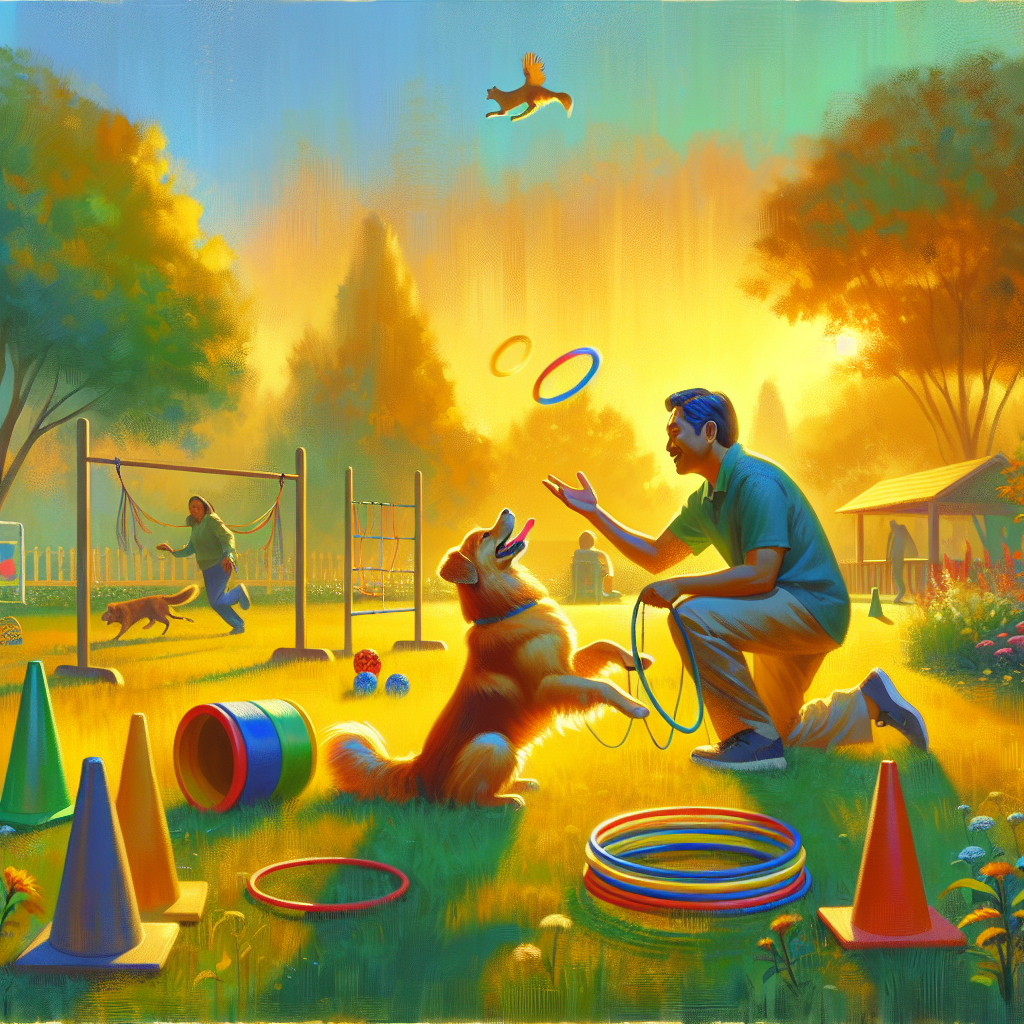
Incorporate toys and props into your training sessions to make learning fun. For instance, using a hoop to teach your dog to jump or a ball as a reward for fetching can make the process more engaging. 🎾
2. Interactive Games
Turn training into a game. Hide and seek, obstacle courses, or treasure hunts can teach your dog to follow commands while having a great time. These activities stimulate your dog’s mind and help in reinforcing behaviors.
3. Change of Scenery
Sometimes, a change of environment can boost a dog’s learning ability. Try training in different locations such as a park, a friend’s backyard, or even a pet-friendly café. New settings can provide fresh stimuli and challenge your dog to adapt to various situations.
4. Use of Music and Sounds
Music and sounds can influence your dog’s mood and attention. Playing calming music during training can help reduce anxiety and improve focus. Experiment with different sounds to see how your dog responds to various auditory cues.
Benefits of Incorporating Creativity
Incorporating creativity into dog training offers numerous benefits:
1. Enhanced Engagement
Creative training keeps your dog engaged and prevents boredom. Dogs are naturally curious, and new experiences stimulate their interest and willingness to learn.
2. Stronger Bond
Engaging in creative training activities strengthens the bond between you and your dog. Shared experiences and achievements foster trust and understanding.
3. Improved Problem-Solving Skills
Creative challenges encourage dogs to think critically and develop problem-solving skills, making them more adaptable to new situations.
4. Personalized Learning
Every dog is unique, and creative approaches allow you to tailor training methods to suit your dog’s personality and learning style, resulting in more effective outcomes.
Conclusion
Creativity in dog training is not just an optional add-on; it’s a powerful tool that can transform the way you and your dog learn together. By incorporating imaginative techniques and varying your approaches, you can create a positive, stimulating environment that fosters growth and strengthens your relationship with your canine companion. So go ahead, unleash your creativity, and watch your dog thrive! 🐶✨
FAQs
Q: How do I know if a creative training method is working?
A: Observe your dog’s reactions. If they seem engaged, eager, and responsive, it’s a good sign the method is effective. Consistent progress in learning new commands is also an indicator of success.
Q: What if my dog doesn’t respond well to a creative approach?
A: Not every method will work for every dog. If a particular approach isn’t effective, try another technique or modify your current strategy. The key is to be patient and flexible.
Q: Can I combine multiple creative techniques?
A: Absolutely! Combining different methods can provide varied stimuli and keep training sessions exciting. Just ensure not to overwhelm your dog with too much at once.
Q: Are there any risks to using creative training methods?
A: Generally, creative methods are safe. However, always prioritize your dog’s safety and comfort. Avoid activities that could cause stress or harm, and consult a professional if in doubt.