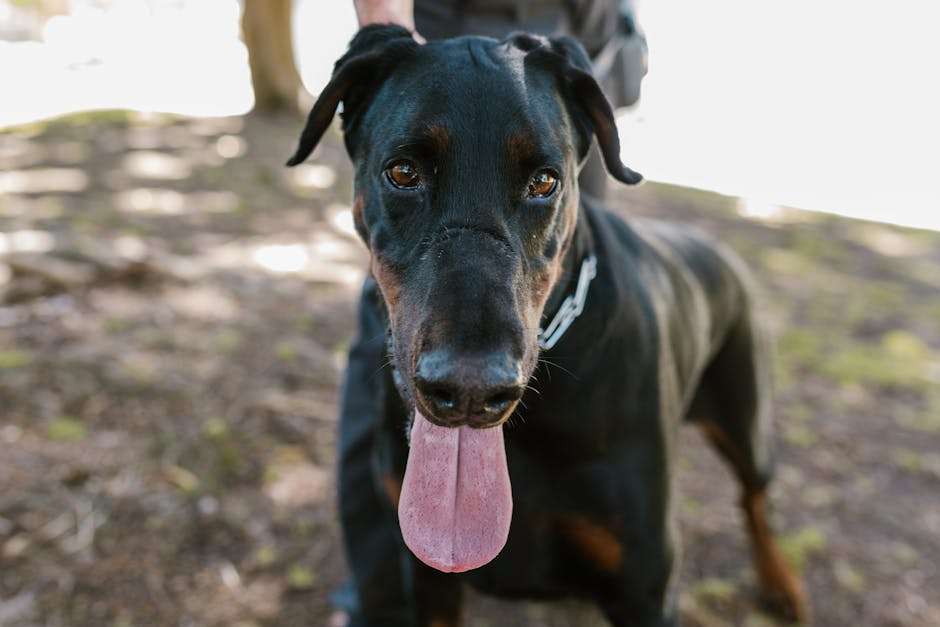
A Parent’s Guide to Training the Family Dog: Building Bonds and Behaviors
Welcoming a furry friend into your home can be an exciting and rewarding experience for the whole family. However, training your family dog is essential to ensure a harmonious household. This guide will walk you through effective dog training strategies that everyone in the family can engage in, fostering a well-behaved and happy pet. 🐶
Table of Contents
1. Introduction: The Importance of Training
2. Setting the Foundation: Understanding Canine Behavior
3. Getting Started: Basic Commands for Beginners
4. Involving the Kids: Fun Training Activities
5. Overcoming Challenges: Patience and Consistency
6. Conclusion: Celebrating Progress
7. FAQ
Introduction: The Importance of Training
Training your dog is not just about teaching them tricks; it’s about creating a bond of mutual respect and understanding. A well-trained dog is happier, safer, and more integrated into family life. Plus, involving children in the training process can teach them responsibility and empathy. Let’s embark on this journey together! 🐾
Setting the Foundation: Understanding Canine Behavior
Before diving into training, it’s crucial to understand the basics of canine behavior. Dogs are pack animals, and they look to their family (you!) for guidance and leadership. Recognizing signals such as tail wagging, barking, or ear position can help you communicate more effectively with your dog.
Dogs thrive on routine and clear expectations. Establishing yourself as the leader through consistent routines will lay the groundwork for successful training. Remember, training is a two-way street; your dog is learning from you, and you from them. 🐕
Getting Started: Basic Commands for Beginners
Start with basic commands such as “sit,” “stay,” “come,” and “leave it.” These commands form the foundation of all future training. Use positive reinforcement techniques like treats, praise, and play to encourage good behavior.
1. Sit: Hold a treat close to your dog’s nose, move your hand up, allowing their head to follow the treat and causing their bottom to lower. Once they’re in a sitting position, say “sit,” give them the treat, and share affection.
2. Stay: First, command your dog to “sit.” Open your palm in front of you and say “stay.” Take a few steps back. If they stay, reward them. Gradually increase the distance.
3. Come: Put a leash on your dog and say “come,” gently pulling them towards you. Reward them when they arrive.
4. Leave it: Place a treat in both hands. Show them one enclosed fist with the treat inside, saying “leave it.” Ignore their attempts to get the treat. Once they stop trying, give them the treat from the other hand.
Involving the Kids: Fun Training Activities
Incorporating children in dog training can be a fun and educational experience. Here are some activities that can make training enjoyable for kids:
🎾 Fetch: Teach your dog to retrieve a ball or toy. This game is simple and allows kids to engage with the dog in a lively manner.
🧩 Hide and Seek: Have your kids hide somewhere in the house and call the dog. This enhances the “come” command and is a playful way to involve the whole family.
🎭 Trick Training: Encourage your children to teach the dog simple tricks like “roll over” or “shake hands.” This boosts confidence in both the dog and the kids.
Overcoming Challenges: Patience and Consistency
Training a dog can sometimes be challenging, especially when juggling family responsibilities. It’s important to remain patient and consistent. Here are a few tips to overcome common hurdles:
🔍 Stay Consistent: Ensure that everyone in the family uses the same commands and training methods to avoid confusing the dog.
⏳ Be Patient: Dogs, like children, learn at their own pace. Celebrate small victories and don’t rush the process.
🔄 Adapt to Changes: If a method isn’t working, don’t be afraid to adjust your approach. Every dog is unique and may require different techniques.
Conclusion: Celebrating Progress
Training your family dog can be a rewarding experience that brings everyone closer. Celebrate each milestone, no matter how small, and remember that every dog is a work in progress. By investing time and love, you’re not only training a dog but also nurturing a lifelong companion. 🎉
FAQ
Q: How long does it usually take to train a dog?
A: The time it takes to train a dog can vary widely depending on the dog’s age, breed, and temperament. Basic commands can take a few weeks to a few months to master with regular practice.
Q: What should I do if my dog isn’t responding to training?
A: If your dog isn’t responding, try reassessing your training techniques. Ensure you’re using positive reinforcement and that training sessions are consistent. If problems persist, consider consulting a professional trainer.
Q: Can older dogs be trained effectively?
A: Absolutely! While it may take a bit more patience, older dogs are capable of learning new tricks and commands. Training can also enrich their lives and strengthen your bond.
Q: How can I make training fun for my dog?
A: Use games, toys, and treats to make training sessions enjoyable. Keep sessions short and engaging to prevent boredom and maintain your dog’s interest.