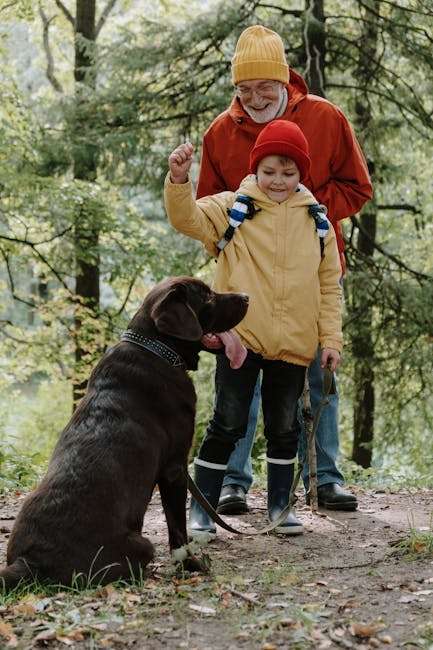
A Parent’s Guide to Training the Family Dog
Welcoming a furry friend into your home is an exciting journey filled with wagging tails and boundless love. However, training your family dog is a crucial step to ensure harmony and happiness in your household. This guide is designed to help parents train the family dog effectively, making the process enjoyable for both you and your canine companion. 🐾
Table of Contents
1. Introduction to Dog Training
2. Setting Realistic Goals
3. Choosing the Right Training Method
4. Involving the Whole Family
5. Consistency is Key
6. Positive Reinforcement Techniques
7. Common Challenges and Solutions
8. Conclusion
9. FAQ
Introduction to Dog Training
Training is not just about teaching your dog commands; it’s about building a relationship based on trust and respect. The right training approach can prevent unwanted behaviors, enhance communication, and ensure your dog becomes a beloved member of your family. Let’s embark on this training journey together!
Setting Realistic Goals
Before you begin, it’s essential to set realistic expectations. 🏆 Training a dog doesn’t happen overnight; it requires patience and persistence. Start with simple commands like “sit” and “stay” and gradually progress to more complex behaviors. Remember, every dog learns at its own pace, so celebrate small victories along the way!
Choosing the Right Training Method
There are various training methods available, but choosing the right one for your dog is crucial. Some popular techniques include:
Positive Reinforcement
This involves rewarding your dog with treats, praise, or play whenever they perform a desired behavior. It’s a highly effective and humane method that encourages your dog to repeat good behaviors.
Clicker Training
A clicker is used to mark desirable behavior, followed by a reward. This method helps your dog quickly associate the sound with positive actions.
Balanced Training
This method combines positive reinforcement with corrective measures. It’s important to use this approach carefully to ensure it remains fair and effective.
Involving the Whole Family
Training your dog is a family affair! Involve everyone in the household to ensure consistency and reinforce commands. Assign tasks to each family member, like feeding, walking, or training specific commands. This not only strengthens the bond between your dog and each family member but also ensures consistent behavior reinforcement. 👨👩👧👦
Consistency is Key
Consistency is perhaps the most important aspect of dog training. Ensure everyone uses the same commands and training techniques. Mixed signals can confuse your dog and hinder their learning process. Establish a routine that includes regular training sessions and stick to it. 📅
Positive Reinforcement Techniques
Positive reinforcement is a powerful tool in your training arsenal. Here are some tips to effectively use it:
Use Treats Wisely: Choose small, tasty treats that your dog loves, and save them for training sessions to maintain their value.
Timing is Everything: Reward your dog immediately after they perform the desired behavior to ensure they make the connection.
Be Enthusiastic: Use a happy tone and lots of praise to motivate your dog. Your excitement will be contagious! 🎉
Common Challenges and Solutions
Training isn’t always smooth sailing. Here are some common challenges parents face and how to overcome them:
Challenge: Short Attention Span
Solution: Keep training sessions short and engaging. Gradually increase the duration as your dog’s focus improves.
Challenge: Unwanted Behaviors
Solution: Redirect your dog’s attention to a positive behavior and reward them when they comply. Avoid punishment as it can lead to fear and anxiety.
Challenge: Lack of Progress
Solution: If progress stalls, revisit basic commands and gradually reintroduce more complex tasks. Patience and persistence are key!
Conclusion
Training your family dog is a rewarding experience that strengthens the bond between you and your furry friend. By setting realistic goals, involving the whole family, and using positive reinforcement, you can ensure a happy and well-behaved dog. Remember, patience and consistency are your best allies on this journey. Happy training! 🐶
FAQ
Q: How long does it take to train a family dog?
A: Training duration varies depending on the dog’s age, breed, and temperament. Consistent daily training can show significant progress within a few weeks.
Q: Can older dogs be trained?
A: Absolutely! While it may take a bit more patience, older dogs are entirely capable of learning new tricks and commands with the right approach.
Q: What if my dog doesn’t respond to treats?
A: Try different rewards like toys, praise, or playtime. Every dog is motivated differently, so find what excites yours the most!
Q: How do I stop my dog from barking excessively?
A: Identify the trigger and work on desensitizing your dog to it. Reward them for being quiet and redirect their attention when they start barking.
Q: Is professional training necessary?
A: While many families successfully train their dogs at home, professional trainers can provide valuable guidance and address specific behavioral issues if needed.