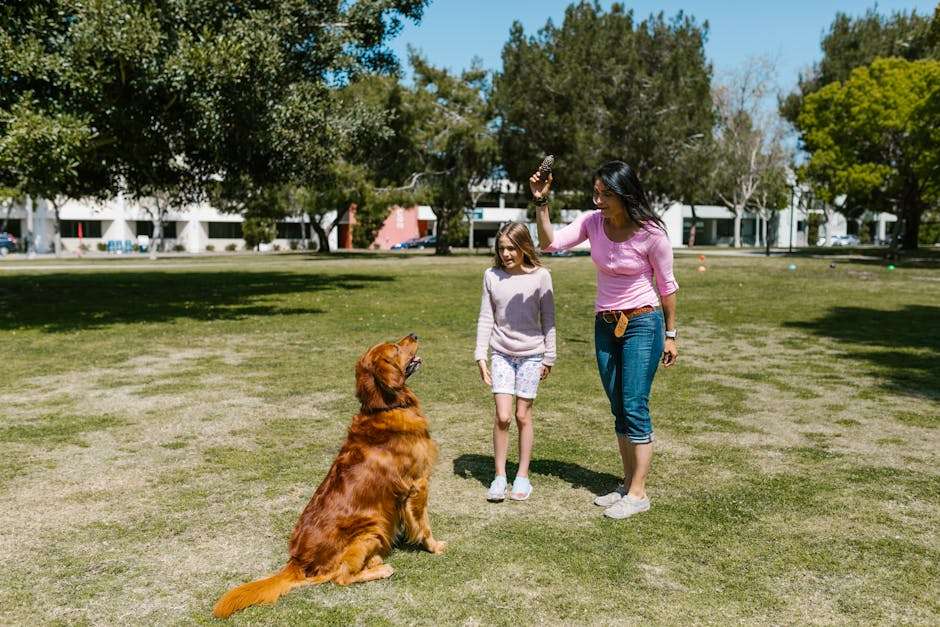
A Parent’s Guide to Training the Family Dog
Welcoming a furry friend into your home is an exciting adventure filled with wagging tails and heartwarming moments. However, training your family dog can sometimes feel overwhelming. This guide will help you navigate the journey of dog training with ease, joy, and success. 🐶
Table of Contents
1. Introduction
2. Understanding Your Dog’s Needs
3. Essential Training Techniques
4. Involving the Whole Family
5. Common Mistakes and How to Avoid Them
6. Conclusion
7. FAQ
Understanding Your Dog’s Needs 🐾
Before diving into training techniques, it’s crucial to understand your dog’s needs. Each dog is unique, with its own personality, energy level, and learning pace. Here are some key areas to consider:
Know Your Dog’s Breed Characteristics
Different breeds come with specific characteristics and natural instincts. For instance, Border Collies are highly intelligent and energetic, while Bulldogs are known for their calm demeanor. Understanding these traits can help tailor your training approach.
Observe Your Dog’s Behavior
Spend time observing your dog’s behavior in various situations. Notice what excites or scares them, their favorite toys, and how they interact with family members. This insight will aid in creating a customized training plan.
Essential Training Techniques 🎓
Training is not a one-size-fits-all process. Below are some foundational techniques that can be adapted to suit your dog’s personality and needs:
Positive Reinforcement
Reward-based training is highly effective. Use treats, praise, or playtime to reward good behavior. This encourages your dog to repeat the actions you desire, making learning fun and engaging.
Consistency is Key
Consistency helps your dog understand expectations. Use the same commands and rewards each time to build familiar patterns. Remember, patience is crucial; your dog is learning a new language!
Basic Commands to Start With
Begin with simple commands like “sit,” “stay,” “come,” and “leave it.” These form the foundation for more advanced training and help establish control and communication.
Involving the Whole Family 👨👩👧👦
Training a family dog is a team effort. Here’s how everyone can participate effectively:
Create a Training Schedule
Develop a schedule that fits the family’s routine, ensuring everyone is involved. Designate roles so each member knows their part in the training process.
Consistency Across the Board
Ensure all family members use the same commands and reinforcement techniques. Mixed messages can confuse your dog, making training less effective.
Turn Training into Family Fun
Make training sessions enjoyable by incorporating games. This not only strengthens your bond with your dog but also encourages family members to actively participate.
Common Mistakes and How to Avoid Them ❌
Even with the best intentions, mistakes happen. Here are some common pitfalls and tips to avoid them:
Inconsistency
Inconsistent commands and routines can confuse your dog. Stick to a clear training plan and ensure everyone in the family is on the same page.
Impatience
Training takes time. Be patient and celebrate small victories. Rushing the process can lead to frustration for both you and your dog.
Neglecting Socialization
Proper socialization is as vital as obedience training. Expose your dog to various environments, people, and other animals to help them become well-rounded and confident.
Conclusion 🌟
Training your family dog is a rewarding journey that strengthens the bond between you and your furry friend. By understanding your dog’s needs, applying consistent training techniques, and involving the whole family, you’ll nurture a well-behaved and happy companion. Remember, every dog learns at its own pace, so embrace the process with patience and positivity.
FAQ
How long does it take to train a family dog?
Training duration varies based on the dog’s age, breed, and personality. Consistent daily sessions can lead to noticeable improvements within a few weeks.
Can older dogs be trained successfully?
Absolutely! While puppies may learn new tricks faster, older dogs are perfectly capable of learning with patience and the right techniques.
What should I do if my dog is not responding to training?
If progress stalls, revisit your training methods or consult a professional trainer. Sometimes a fresh perspective can uncover underlying issues.
How do I stop my dog from jumping on guests?
Teach your dog the “off” command and reward them for calm behavior. Consistent practice and reinforcement will help curb this habit over time.
Is crate training recommended?
Crate training can be beneficial for house training and providing a safe space for your dog. Ensure the crate is comfortable and not used as a form of punishment.