A Parent’s Guide to Training the Family Dog
Welcoming a dog into your family is an exciting adventure, filled with wagging tails and warm cuddles. However, it also comes with responsibilities, especially when it comes to training. This guide is here to help you navigate the journey of training your family dog, ensuring it’s as smooth and enjoyable as possible for everyone involved. 🐾
Table of Contents
1. Introduction
2. Understanding Your Dog’s Behavior
3. Essential Training Techniques
4. Involving the Whole Family
5. Maintaining Consistency
6. Conclusion
7. FAQ
Understanding Your Dog’s Behavior 🐶
Before jumping into training sessions, it’s crucial to understand your dog’s behavior and natural instincts. Every breed has unique traits, and each dog, like each child, has its own personality. Observe your dog during playtime and rest, noting what makes them excited or anxious. This understanding will help tailor training techniques that resonate with them.
Essential Training Techniques 📚
Positive Reinforcement
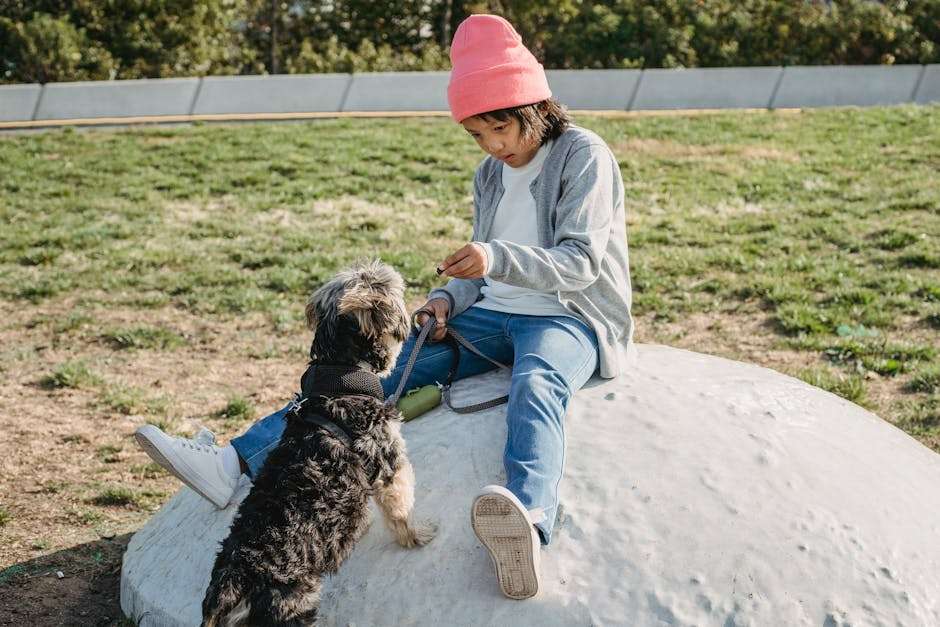
Positive reinforcement is a powerful tool in dog training. Rewarding good behavior with treats, praise, or playtime encourages your pup to repeat those actions. Remember, consistency is key, so reward your dog immediately after the desired behavior.
Basic Commands
Start with basic commands like “sit,” “stay,” “come,” and “leave it.” These commands form the foundation for more complex training. Practice these commands daily, and be patient—learning takes time and repetition.
Crate Training
Crate training can be extremely beneficial. It provides your dog with a safe space and helps with house training. Make the crate inviting with a comfortable bed and toys, and never use it as a form of punishment.
Involving the Whole Family 👨👩👧👦
Training a family dog is a team effort. Get everyone involved—children can help with simple commands, and it’s a great way to teach them responsibility and empathy. Hold family meetings to discuss progress and align on training strategies. This unified approach ensures the dog doesn’t receive mixed signals.
Maintaining Consistency 🔄
Consistency is the cornerstone of effective training. Ensure that everyone in the family uses the same commands and rewards. Inconsistent training can confuse your dog, leading to slower progress and potential behavioral issues.
Conclusion: Patience and Persistence 🏆
Training your family dog requires patience, persistence, and a lot of love. Celebrate small victories and remember that setbacks are a natural part of the process. With time, your dog will become a well-behaved member of the family, bringing joy and companionship to your household.
FAQ ❓
How long does it take to train a dog?
The duration of training varies depending on the dog’s age, breed, and temperament. Basic training can take a few weeks to a few months with consistent effort.
What if my dog isn’t responding to training?
If your dog isn’t responding, reassess your training techniques. Ensure you’re consistent and patient. Consider seeking advice from a professional trainer if issues persist.
Can children help with dog training?
Yes, involving children in the training process can be beneficial. It teaches them responsibility and strengthens the bond between them and the dog.
What are some common mistakes to avoid in dog training?
Avoid using negative reinforcement, being inconsistent with commands, and expecting immediate results. Patience and positive reinforcement are essential.
Is professional dog training necessary?
While many families can successfully train their dogs at home, some may benefit from professional help, especially if dealing with specific behavioral issues.