House Training 101: Potty Training Your Puppy
Bringing a new puppy home is an exciting adventure filled with tail wags and cuddles. But one of the first challenges new puppy parents face is potty training. Fear not! With a little patience and consistency, you can successfully house train your furry friend. In this guide, we’ll walk you through everything you need to know to make the process as smooth as possible. 🐶
Table of Contents
1. Introduction
2. Understanding Your Puppy’s Needs
3. Establishing a Routine
4. Choosing the Right Potty Spot
5. Positive Reinforcement Techniques
6. Dealing with Accidents
7. Maintaining Consistency
8. Conclusion
9. FAQs
Understanding Your Puppy’s Needs
Before diving into the potty training process, it’s crucial to understand your puppy’s bathroom habits. Puppies have small bladders and will need frequent bathroom breaks. Generally, a puppy can hold it for one hour for every month of age. So, a two-month-old puppy needs to go out every two hours. 👶🐾
Establishing a Routine
Consistency is key when potty training. Set a regular schedule for feeding, potty breaks, and playtime. Take your puppy out first thing in the morning, after meals, and before bedtime. The more consistent you are, the quicker your puppy will learn. 📅
Choosing the Right Potty Spot
Take your puppy to the same spot each time you go outside. The familiar scent will remind them of what they’re supposed to do there. If you live in an apartment, a designated potty area on a balcony or patio can work well too. 🏡
Positive Reinforcement Techniques
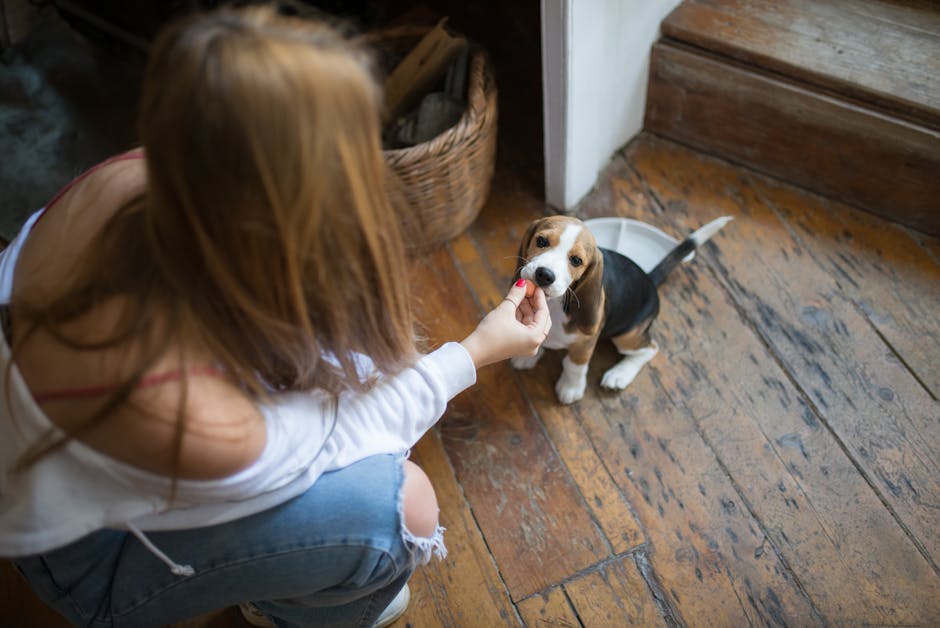
Reward your puppy immediately after they eliminate outdoors. Use treats, praise, or a favorite toy to reinforce good behavior. Make sure to reward within seconds of your puppy finishing to create a clear association. Remember, positive reinforcement is more effective than punishment. 🎉
Dealing with Accidents
Accidents are a normal part of the potty training process. Never punish your puppy for having an accident. Instead, clean the area thoroughly with an enzymatic cleaner to remove any lingering scent. If you catch your puppy in the act, calmly interrupt them and take them outside. 🧹
Maintaining Consistency
Patience and consistency are your best allies. Stick to your routine and continue rewarding good behavior. Over time, your puppy will learn where and when it’s appropriate to go potty. 🕰️
Conclusion
Potty training your puppy requires time, patience, and a lot of love. By understanding your puppy’s needs, establishing a routine, and using positive reinforcement, you’ll set your puppy up for success. Remember, every puppy is different, so go at your puppy’s pace and enjoy the journey together. Happy training! 🐾❤️
FAQs
Q: How long does it take to potty train a puppy?
A: The duration can vary, but most puppies are fully house trained between 4 to 6 months. Consistency and patience are key!
Q: What if my puppy keeps having accidents?
A: Review your routine and ensure you are taking your puppy out frequently enough. Consider consulting a veterinarian if you’re concerned.
Q: Can I use puppy pads during training?
A: Yes, puppy pads can be useful, especially if you live in an apartment. However, transitioning from pads to outdoor pottying may take additional training.
Q: Is crate training helpful for potty training?
A: Absolutely! Crates can be a great tool since dogs naturally avoid soiling their sleeping area. Ensure the crate is appropriately sized.
Potty training your puppy is a rewarding experience that strengthens the bond between you and your new furry family member. With patience, love, and these helpful tips, you’ll guide your puppy to become a well-mannered member of your household. Good luck! 🎊🐕