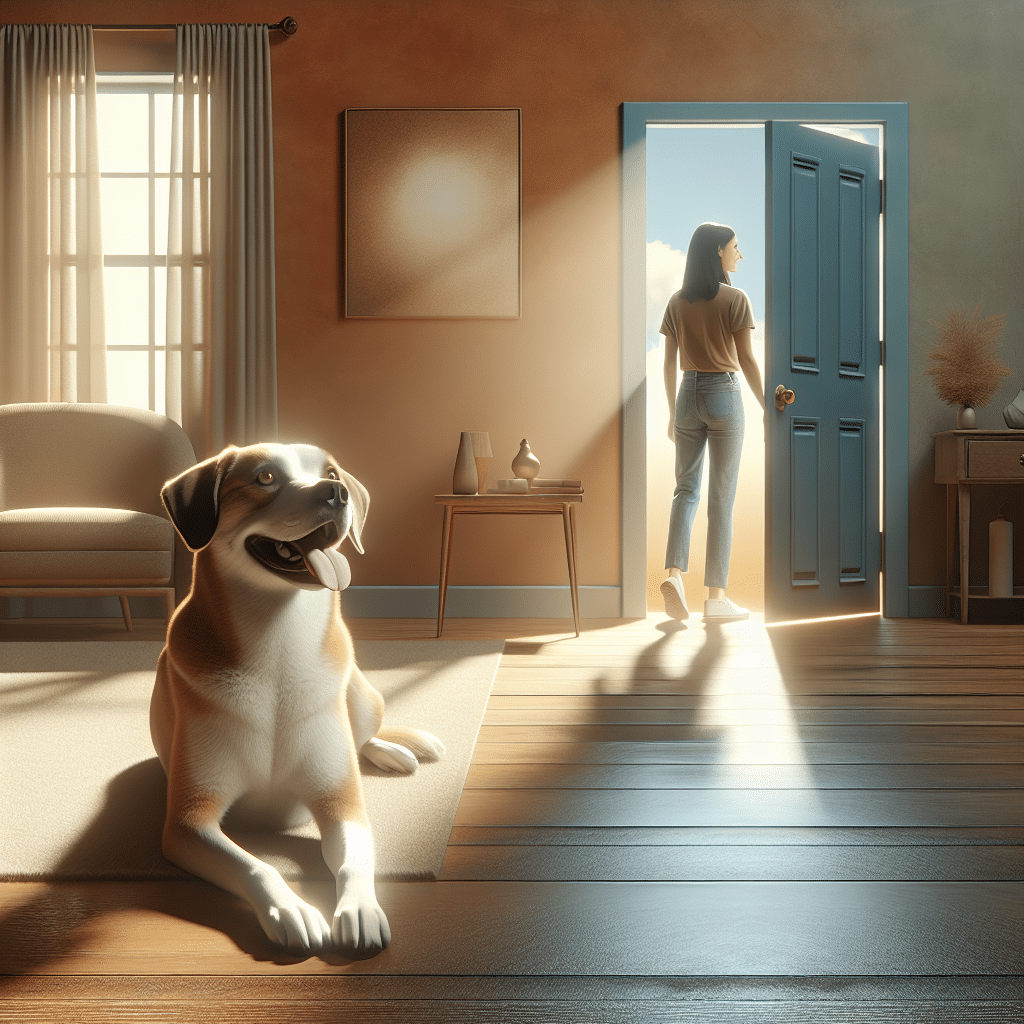
How to Train a Dog to Accept Visitors Calmly
Welcoming guests into your home should be a pleasant experience, not just for you but also for your furry friend. However, if your dog tends to get overly excited or anxious when someone new arrives, it can turn an otherwise joyful occasion into a stressful one. Training your dog to accept visitors calmly is not only possible but can be a rewarding journey for both you and your pet. 🐶
Table of Contents
1. Introduction
2. Understanding the Basics
3. Setting the Stage
4. Positive Reinforcement Techniques
5. Desensitization Strategy
6. Consistency is Key
7. Conclusion
8. FAQs
Understanding the Basics
Before diving into specific training techniques, it’s essential to understand why dogs react the way they do when someone new enters their territory. Dogs are naturally territorial and protective creatures. This instinct can cause them to bark, jump, or display nervous behaviors when faced with unfamiliar people. Recognizing this behavior as normal is the first step in addressing it effectively.
Setting the Stage
Preparing your home environment plays a crucial role in how your dog reacts to visitors. Start by creating a safe and comfortable space for your dog. This could be a specific room or a cozy corner with their favorite toys and a bed. Having a designated area can help your dog feel secure and less overwhelmed when guests arrive.
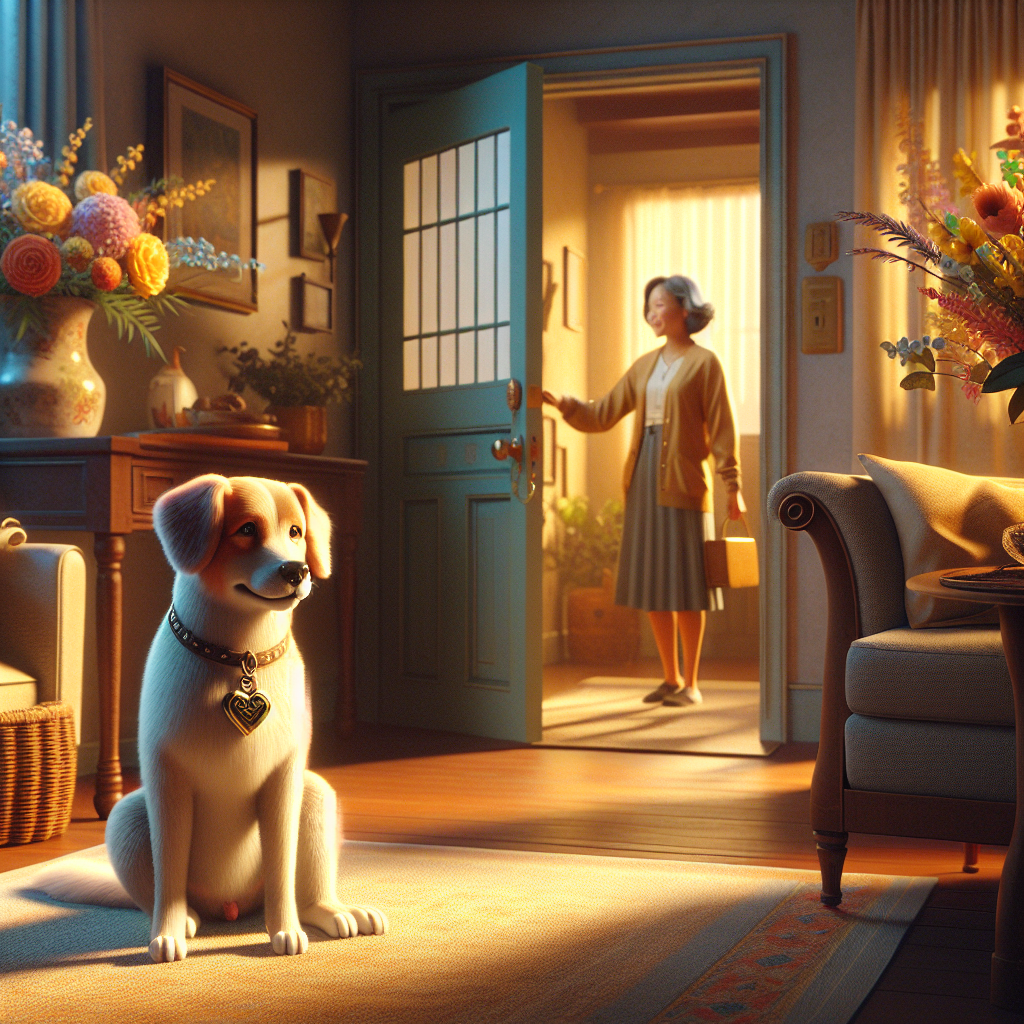
Positive Reinforcement Techniques
Positive reinforcement is one of the most effective training methods. Here’s how you can apply it to help your dog remain calm:
1. Treats and Praise: Reward your dog with treats and verbal praise when they display calm behavior as guests arrive. This encourages them to associate visitors with positive outcomes. 🍖
2. Consistent Commands: Use consistent commands like “sit” or “stay” to guide your dog’s behavior. Reinforce these commands with rewards when followed correctly.
3. Practice Makes Perfect: Invite a friend over for a practice session. This controlled environment will help your dog learn to remain calm without the pressure of a real guest situation.
Desensitization Strategy
Desensitization involves gradually exposing your dog to the stimulus that causes excitement or anxiety—in this case, visitors. This strategy helps to reduce overreactions over time.
1. Controlled Exposure: Start by having people approach your home without knocking or ringing the doorbell. Let your dog observe this without any direct interaction.
2. Gradual Introduction: Once your dog seems relaxed with the idea of people approaching, introduce a gentle knock or doorbell ring. Reward calm behavior immediately.
3. Step-by-Step Interaction: Allow visitors to enter gradually. Have them ignore the dog initially, letting your pet approach them when ready.
Consistency is Key
Training a dog requires patience and consistency. Make sure everyone in the household is on the same page regarding commands and rewards. Inconsistent signals can confuse your dog and hinder progress.
1. Routine: Incorporate training into your daily routine. Consistent practice will reinforce your dog’s learning and help solidify their calm behavior around visitors.
2. Patience: Remember that each dog is unique. Some may take longer to adjust than others. Celebrate small victories and remain patient throughout the process.
Conclusion
Training your dog to accept visitors calmly is a journey that requires time, patience, and love. By understanding your dog’s behavior, setting the right stage, and using positive reinforcement and desensitization strategies, you can transform your pet into a gracious host. With consistent practice and a little patience, your dog will learn to welcome guests with the same warmth and friendliness you do. 🏡🐕
FAQs
Q1: How long does it typically take to train a dog to be calm around visitors?
A: The time it takes varies depending on the dog’s temperament and past experiences. Consistent training over several weeks is usually needed to see significant improvement.
Q2: What if my dog doesn’t respond well to treats?
A: If treats aren’t effective, try using toys or verbal praise as rewards. Some dogs respond better to affection or playtime.
Q3: Is it ever too late to train my dog to be calm around visitors?
A: It’s never too late! While puppies may learn more quickly, adult dogs can also be trained with patience and consistency.
Q4: My dog seems anxious around strangers. Could there be underlying issues?
A: If your dog shows extreme anxiety, it might be worth consulting a veterinarian or a professional dog trainer to rule out any underlying issues or to develop a tailored training plan.
Remember, every dog is different, and what works for one may not work for another. Be patient, stay consistent, and enjoy the process of helping your dog become a calm and welcoming host. 😊