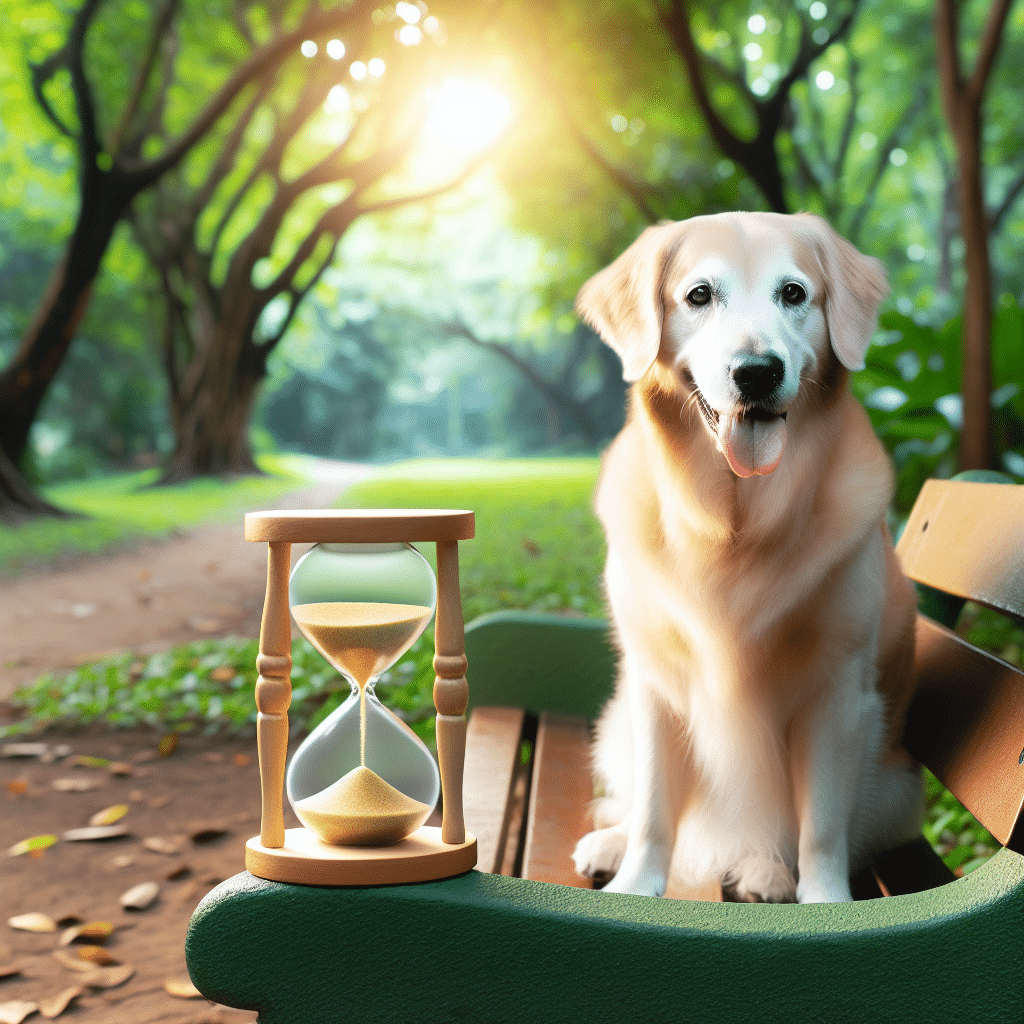
How to Train a Dog to Be Patient During Long Waits
Training a dog to be patient is a crucial skill that can benefit both you and your furry friend in numerous ways. Whether it’s waiting at the vet’s office, during meal times, or staying calm on long car rides, patience is key. In this guide, we will explore effective strategies to help your dog learn to wait patiently, making life easier and more enjoyable for both of you. 🐶
Table of Contents
1. Introduction
2. Understanding Your Dog’s Behavior
3. Importance of Patience Training
4. Step-by-Step Patience Training Techniques
5. Tips for Success
6. Common Mistakes to Avoid
7. Conclusion
8. FAQs
Understanding Your Dog’s Behavior
Before diving into training techniques, it’s essential to understand why dogs struggle with patience. Most dogs are naturally energetic and easily excitable, which is why they might find it challenging to sit still for extended periods. By recognizing these behavioral traits, you can tailor your training methods to suit your dog’s unique personality.
Importance of Patience Training
Patience training is not just about making your life easier; it also plays a vital role in your dog’s overall development. A patient dog is less likely to experience anxiety and stress, leading to a happier, healthier pet. Moreover, it enhances safety, as a patient dog is more likely to follow commands and behave appropriately in various situations.
Step-by-Step Patience Training Techniques
1. Start with Basic Commands
Begin your training with basic commands like “sit” and “stay.” These commands form the foundation for more advanced patience training. Use positive reinforcement techniques by rewarding your dog with treats or praise whenever they successfully follow a command. Consistency is key, so practice these commands daily in different environments.
2. Gradual Increase of Wait Time
Once your dog is comfortable with basic commands, gradually increase the wait time. Start with short durations and slowly extend the time as your dog becomes more patient. Use a timer or count in your head to keep track of the duration. Remember to reward your dog for staying patient throughout the wait.
3. Incorporate Distractions
Introduce distractions to mimic real-life scenarios. This could be the sound of a doorbell, a toy, or even the presence of other pets. Encourage your dog to remain calm and focused despite these distractions. This step is crucial in preparing your dog for situations where patience is necessary.
4. Practice in Different Settings
Patience training should not be confined to your home. Practice in various settings, such as parks, busy streets, or during car rides. This diversity helps your dog generalize patience across different environments, ensuring they remain composed wherever they are.
Tips for Success
– Be consistent: Regular practice reinforces learning and helps your dog understand expectations.
– Use positive reinforcement: Reward your dog with treats, toys, or affection to motivate them.
– Stay patient: Training takes time, so be patient with your dog as they learn.
– Keep sessions short: Dogs have short attention spans, so brief, frequent sessions are more effective.
Common Mistakes to Avoid
– Rushing the process: Each dog learns at their own pace, so avoid rushing through training stages.
– Negative reinforcement: Punishing your dog for not being patient can lead to fear and anxiety.
– Inconsistency: Inconsistent training can confuse your dog and slow down progress.
Conclusion
Training your dog to be patient during long waits is a rewarding journey that strengthens your bond and enhances your dog’s quality of life. By understanding your dog’s behavior and following the outlined techniques, you can successfully teach patience, leading to a more harmonious relationship. Remember, patience is a virtue, and with time, your dog will master it too! 🐾
FAQs
Q: How long does it take to train a dog to be patient?
A: The time it takes varies depending on the dog’s age, breed, and temperament. Consistent training over several weeks to months is often required for noticeable results.
Q: Can older dogs learn patience?
A: Absolutely! While it might take a bit more time, older dogs can learn patience with consistent training and positive reinforcement.
Q: What if my dog doesn’t respond to treats?
A: Some dogs may prefer toys or affection over treats. Experiment with different rewards to find what motivates your dog the most.
With these insights and strategies, you’re well on your way to training your dog to be patient during long waits. Happy training! 🎉