
How to Train a Dog to Follow Commands in Water 🌊🐕
Welcome to the ultimate guide on training your dog to follow commands in water! Whether you’re preparing for a summer of swimming fun or just want to enhance your dog’s obedience skills, water training can be both rewarding and enjoyable. Dive in with us as we explore effective techniques to help your furry friend become a water-loving, obedient companion.
Table of Contents
1. Introduction
2. Preparing Your Dog for Water Training
3. Basic Commands for Water Training
4. Advanced Water Commands
5. Safety Tips for Water Training
6. Conclusion
7. FAQs

Preparing Your Dog for Water Training
Before diving into water training, it’s crucial to ensure your dog is comfortable and safe around water.
Understand Your Dog’s Comfort Level
Not all dogs are natural swimmers. Some breeds like Labradors and Retrievers take to water easily, while others may need more encouragement. Start by introducing your dog to shallow water and observe their reaction. If they show signs of fear or anxiety, proceed slowly and provide positive reinforcement.
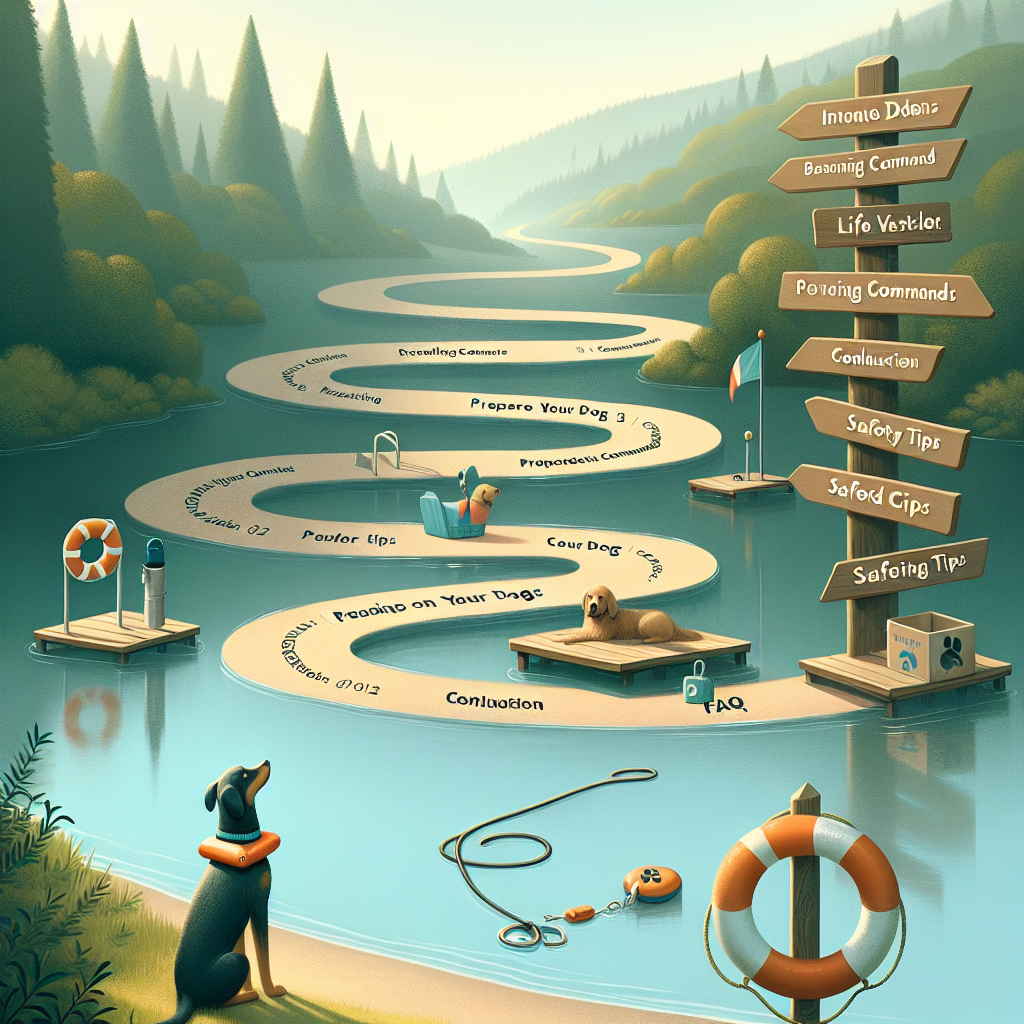
Equip Your Dog Properly
Invest in a good-quality dog life jacket, especially for beginners. This not only boosts their confidence but also ensures safety. Make sure it fits well and doesn’t restrict movement.
Create a Positive Association
Use treats and toys to create a positive association with water. Throw a floating toy a short distance into the water and encourage your dog to fetch it. Reward them with treats and praise upon success.
Basic Commands for Water Training
Once your dog is comfortable in the water, it’s time to introduce basic commands.
Come
The “come” command is essential for ensuring your dog returns to you when called. Start in shallow water and call your dog from a short distance, using treats and enthusiastic praise as rewards.
Stay
While in the water, teach your dog to “stay” by walking a few steps away and then returning to reward them. Gradually increase the distance as they become more proficient.
Fetch
Water fetching can be a fun way to reinforce the “fetch” command. Use a buoyant toy and practice by tossing it into the water, encouraging your dog to retrieve it and bring it back to you.
Advanced Water Commands
For dogs that have mastered basic commands, challenge them with more advanced tasks.
Dive
Some dogs can learn to dive underwater for toys. Begin by using shallow water and gradually increase depth as they gain confidence. Use a toy with a bit of weight that sinks slowly.
Directional Commands
Teach your dog to follow specific directional commands like “left” or “right” using hand signals. This can be particularly useful for navigating obstacles or retrieving items from specific locations.
Help
Train your dog to assist in water rescues, starting with simple tasks like bringing a life ring to a person in need. This requires patience and should be done under professional guidance for safety.
Safety Tips for Water Training
Safety should always be a top priority when training your dog in water.
Supervise at All Times
Never leave your dog unattended in water. Even experienced swimmers can get into trouble, so always keep a watchful eye.
Avoid Overexertion
Water training can be tiring, especially for beginners. Keep sessions short and allow for plenty of breaks to prevent fatigue.
Be Mindful of Water Conditions
Check water conditions before each session. Avoid strong currents, cold temperatures, and areas with potential hazards like sharp objects or algae blooms.
Conclusion
Training your dog to follow commands in water can strengthen your bond and provide endless fun and safety benefits. With patience, consistency, and positive reinforcement, your dog can become a confident and obedient swimmer. Dive into the world of water training and enjoy the splash-filled adventures with your furry friend!
FAQs
Q1: How long does it take to train a dog to swim?
A: It varies depending on the dog, but most dogs can learn basic swimming skills within a few weeks with regular practice.
Q2: Can all dogs learn to swim?
A: While most dogs can learn to swim, some breeds might struggle due to their body structure. Always consider your dog’s comfort and safety first.
Q3: What if my dog is afraid of water?
A: Take it slow and use positive reinforcement to gradually build their confidence. Never force your dog into the water.
Q4: Is a life jacket necessary for my dog?
A: A life jacket is highly recommended, especially for beginners, to ensure safety and boost confidence.
Embark on your water training journey today and watch your dog transform into a water-loving, obedient companion! 🌟🐾