How to Train a Dog to Not Chase Other Animals
Training your dog not to chase other animals can be a challenging task, but it’s an essential aspect of responsible pet ownership. Whether you’re dealing with a puppy or an adult dog, teaching them to control their instincts ensures safety for your pet and the animals around them. In this guide, we’ll explore effective strategies to help your dog resist the urge to chase.
Table of Contents
1. Introduction
2. Understanding the Instinct
3. Building a Strong Foundation
4. Consistency is Key
5. Practical Training Techniques
6. Using Commands Effectively
7. Desensitization and Socialization
8. When to Seek Professional Help
9. Conclusion
10. FAQs

Understanding the Instinct
Dogs are naturally predatory animals. 🐕 This instinct is hardwired in them, which is why they often chase moving objects like squirrels, cats, or even cars. Recognizing this behavior as instinctual is the first step in addressing it. Understand that your dog isn’t being naughty; they’re simply acting on an innate impulse.
Building a Strong Foundation
Before you tackle the specific behavior of chasing, it’s important to establish a solid foundation of training. Basic commands such as “sit,” “stay,” and “come” are essential tools that you can use in more complex situations. Make sure your dog responds reliably to these commands in a distraction-free environment before adding additional challenges.
Consistency is Key
Consistency in training is crucial. 🗓️ Use the same commands and techniques every time, and ensure everyone in your household does the same. Inconsistent signals can confuse your dog and hinder their learning process. Consistency helps build trust and understanding between you and your pet.
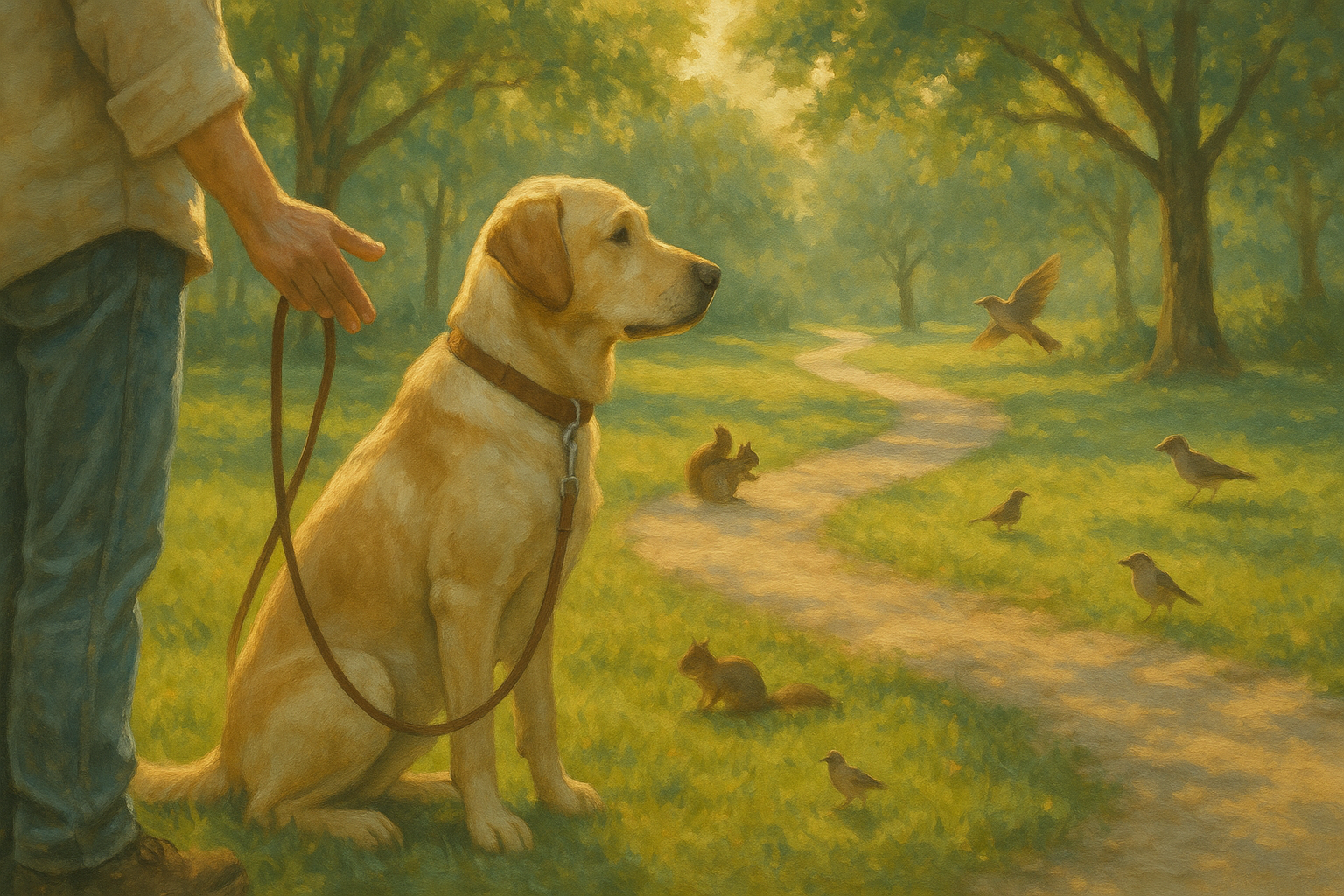
Practical Training Techniques
Here are some practical techniques to help curb your dog’s chasing behavior:
Redirecting Attention
Whenever your dog shows interest in chasing, redirect their attention to something else. Use toys, treats, or a favorite activity to distract them. This helps them learn that not chasing can also lead to positive experiences.
The Long Leash Technique
Use a long training leash in open areas. This allows your dog some freedom to explore while still keeping them under control. Practice recall commands frequently, rewarding your dog for coming back to you quickly.
Using Commands Effectively
Having a reliable recall command is vital. Teach your dog the “come” command using positive reinforcement. Start in a controlled environment and gradually increase distractions as your dog becomes more reliable. Remember, patience is essential, and never punish your dog for not coming immediately. Instead, reward them when they do.
Desensitization and Socialization
Desensitization involves gradually exposing your dog to the stimuli that trigger their chase response. 🐾 Start with a controlled distance and reward your dog for staying calm. Gradually decrease the distance as your dog becomes more comfortable. Socializing your dog with other animals can also reduce their desire to chase out of curiosity or fear.
When to Seek Professional Help
If you’ve tried multiple strategies and your dog still struggles with chasing, it might be time to seek professional help. A certified dog trainer or behaviorist can provide specialized techniques tailored to your dog’s needs. Sometimes, an expert’s perspective can make all the difference.
Conclusion
Training your dog not to chase other animals takes time, patience, and consistency. By understanding their instincts and using effective training techniques, you can teach your dog to control their impulses. Remember, every dog is different, and what works for one may not work for another. Stay persistent, and you’ll likely see positive changes over time.
FAQs
Q: How long does it take to train a dog not to chase animals?
A: It varies from dog to dog. Some may learn quickly, while others take months. Consistency and patience are key.
Q: Is it natural for all dogs to chase?
A: Yes, most dogs have a natural instinct to chase due to their predatory nature.
Q: Can older dogs learn not to chase?
A: Absolutely! While it might take more time, older dogs can learn new behaviors with consistent training.
Q: Should I use a shock collar to stop chasing?
A: It’s not recommended. Positive reinforcement techniques are more effective and humane.
Q: What should I do if my dog catches an animal?
A: Stay calm and use a firm command to release. Ensure the safety of both your dog and the caught animal, and seek veterinary care if necessary.