
How to Train a Dog to Respect Different Cultures
In our increasingly interconnected world, cultural diversity isn’t just a human concern—our furry friends can benefit from it too! Training your dog to respect different cultures ensures harmony and understanding, both at home and in the community. Let’s explore how you can nurture cultural respect in your canine companion. 🐶🌍
Table of Contents
1. Introduction
2. Understanding Canine Perception
3. Familiarizing Your Dog with Cultural Symbols
4. Encouraging Socialization Across Cultures
5. Training Commands in Multiple Languages
6. Respect for Diverse Cultural Customs
7. Conclusion
8. FAQs

Understanding Canine Perception
Before diving into training techniques, it’s crucial to understand how dogs perceive the world. Dogs rely heavily on their senses—especially smell and sight—to navigate their environment. They may not understand cultural nuances like humans, but with proper guidance, they can learn to react appropriately to different cultural cues.
Familiarizing Your Dog with Cultural Symbols
One effective way to introduce your dog to different cultures is by exposing them to various cultural symbols. This could include flags, traditional clothing, or even artifacts from different cultures. When your dog is exposed to these items, use positive reinforcement—treats or praise—to create a positive association.
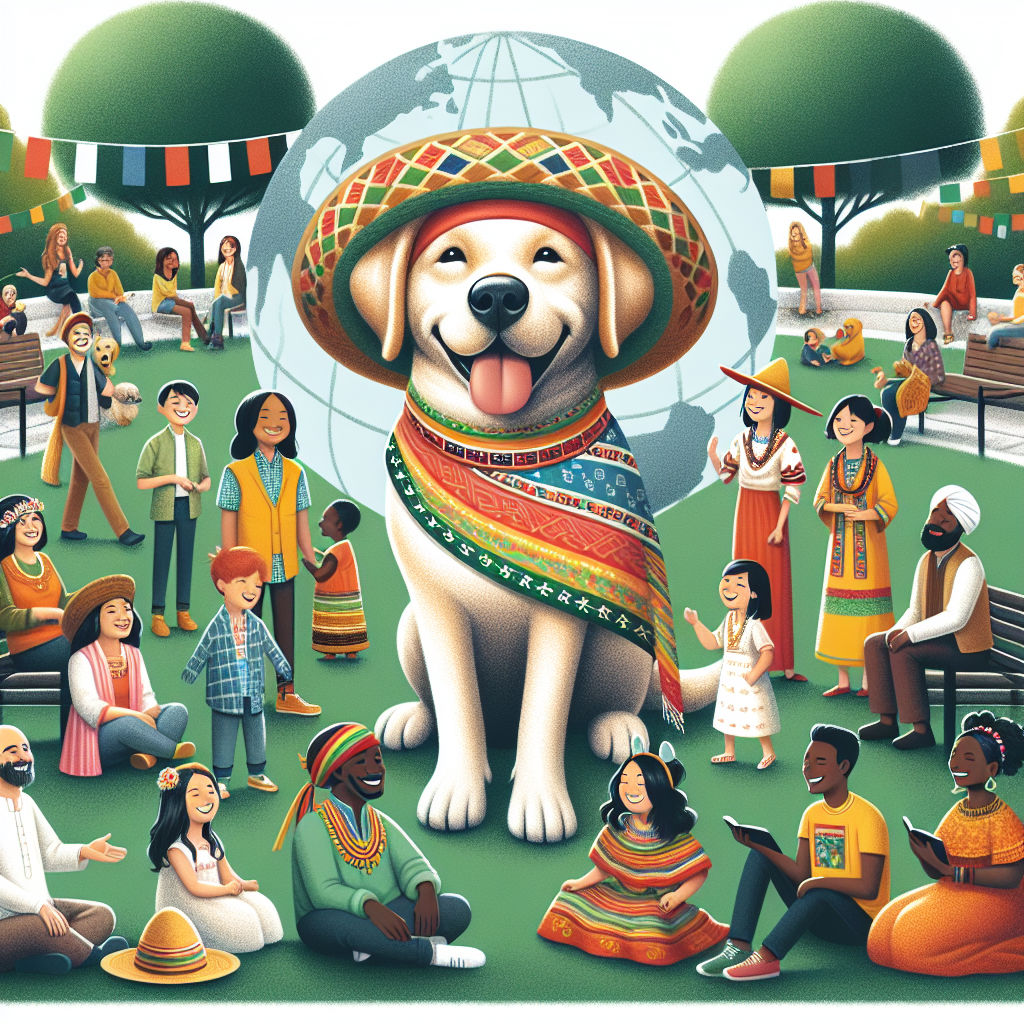
For instance, if you have a friend who wears traditional attire from their culture, invite them over and let your dog interact with them in a relaxed setting. Over time, your dog will learn to view these cultural symbols as a normal part of their environment.
Encouraging Socialization Across Cultures
Socialization is key to ensuring your dog is comfortable around people from all walks of life. Arrange playdates or visits to diverse neighborhoods and dog parks where your pet can interact with individuals from various cultural backgrounds. Not only does this help your dog become more adaptable, but it also expands their social circle and enriches their experiences.
Remember to always monitor these interactions to ensure they remain positive and stress-free for your pet. If your dog shows signs of discomfort, remove them from the situation and try again another day.
Training Commands in Multiple Languages
Another fascinating way to integrate cultural respect into your dog’s training is by teaching commands in multiple languages. Dogs are incredibly intelligent and can learn commands in different languages with consistent practice.
Start with basic commands such as “sit,” “stay,” or “come” in another language. This not only stimulates your dog’s mental abilities but also prepares them for interactions in multilingual environments. Plus, it’s a fun party trick to show off to your friends! 😄
Respect for Diverse Cultural Customs
Some cultures have specific customs regarding animals that your dog should respect. For example, certain cultures may have restrictions on dogs entering specific areas or interacting with certain individuals. It’s essential to be aware of these customs and train your dog accordingly.
If you live in or visit areas with such cultural customs, train your dog to stay by your side and avoid certain locations or individuals. Using a leash and practicing strong recall commands can help manage your dog’s behavior in these settings.
Conclusion
Training your dog to respect different cultures is not only about obedience but also about fostering a spirit of inclusivity and understanding. By taking these steps, you’re ensuring that your dog can navigate our diverse world with ease and grace. Remember, patience and consistency are key. Happy training! 🐕✨
FAQs
Q: How long does it take to train a dog to respect different cultures?
A: It varies depending on the dog’s temperament and prior training. Consistent exposure and positive reinforcement can speed up the process, but patience is essential.
Q: Can older dogs learn to respect different cultures?
A: Absolutely! While it might take a bit longer, older dogs can still learn new behaviors and adapt to new experiences with the right training.
Q: What if my dog is afraid of certain cultural symbols or people?
A: Gradual exposure and positive reinforcement can help alleviate fears. Start with small, controlled interactions and increase exposure as your dog becomes more comfortable.
Q: Are there any specific cultural symbols I should avoid introducing to my dog?
A: Be mindful of symbols that may be fragile or have significant cultural importance. Always ensure that interactions are respectful and safe for both your dog and the cultural items involved.