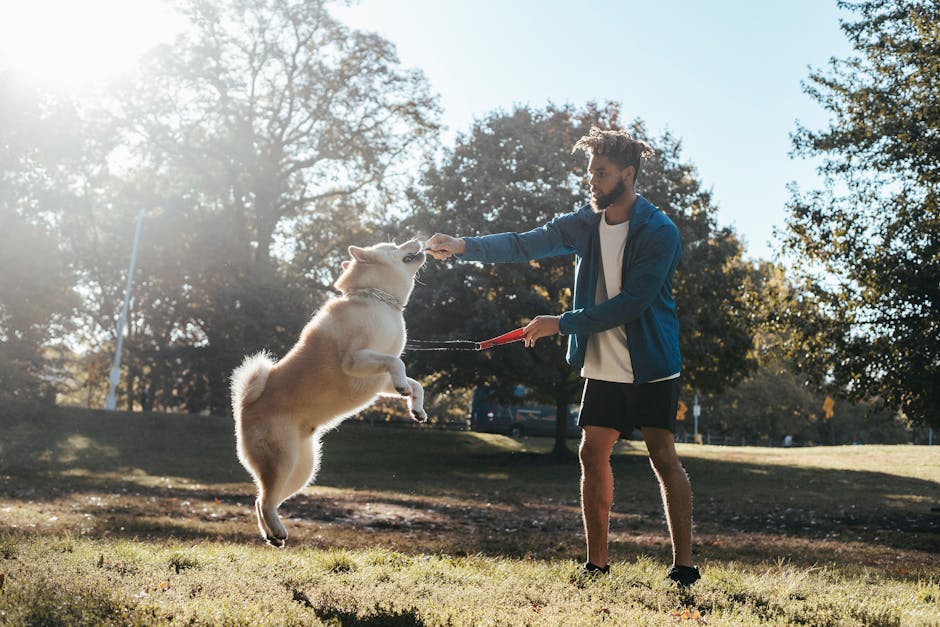
Bringing a new dog into your life is an incredibly rewarding experience. Whether you've adopted a playful puppy or a distinguished older dog, training is essential for building a strong bond and ensuring a harmonious life together. Training not only teaches your dog essential commands but also helps them understand their place in your family and provides them with a sense of security. This guide will offer valuable tips and strategies to help you navigate the exciting journey of dog training.
Before you begin any training, it's crucial to understand your dog's individual personality and learning style. Some dogs are highly motivated by food, while others respond better to praise or toys. Observe your dog's behavior and tailor your training approach accordingly. Patience is key, and remember that every dog learns at their own pace. Avoid harsh corrections or punishment, as these methods can damage your relationship with your dog and hinder their progress.
Start with basic obedience commands like "sit," "stay," and "come." Use clear and consistent verbal cues, accompanied by hand signals if desired. Keep training sessions short and engaging, especially in the beginning, to prevent your dog from becoming bored or overwhelmed. Positive reinforcement is the most effective training method. Reward your dog immediately after they perform the desired behavior, whether it's with a treat, a favorite toy, or enthusiastic praise.
Consistency is crucial for successful dog training. Practice these commands regularly, both at home and in different environments. This helps your dog generalize their learning and respond reliably in various situations. Incorporating training into everyday activities, such as mealtimes or walks, can make the process more enjoyable for both you and your dog.
Socialization is another important aspect of dog training. Expose your dog to different people, dogs, and environments from a young age. This helps them develop appropriate social skills and reduces the likelihood of fear or aggression later in life. Enroll your dog in puppy classes or group obedience training for structured socialization opportunities and professional guidance.
House training is often a top priority for new dog owners. Establish a consistent potty break schedule and reward your dog for eliminating in the designated area. Crate training can be a helpful tool for house training, as dogs naturally avoid soiling their den. If accidents happen, clean them up thoroughly without scolding your dog, as this can create anxiety and make the problem worse.
Leash training is essential for safe and enjoyable walks. Introduce your dog to the leash gradually and reward them for walking calmly by your side. Avoid pulling or jerking on the leash, as this can cause discomfort and resistance. Instead, use positive reinforcement to encourage loose-leash walking.
Remember, dog training is an ongoing process. Continue to reinforce learned behaviors and introduce new challenges as your dog progresses. Be patient, consistent, and understanding, and you'll build a strong bond with your furry friend based on trust and mutual respect.