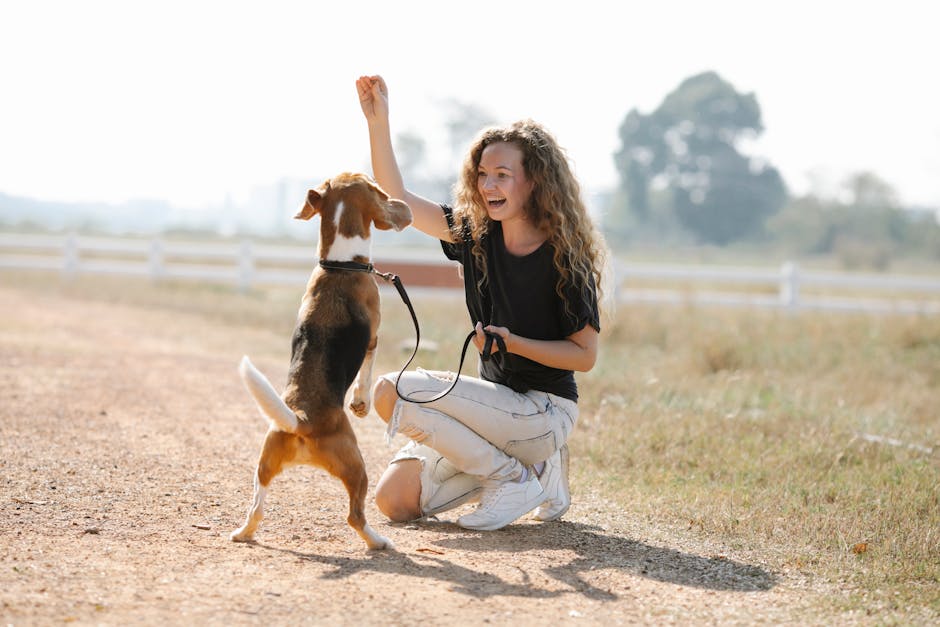
Bringing a new furry friend into your life is an exciting experience, and training is an essential part of responsible dog ownership. A well-trained dog is a happy dog, and a happy dog makes for a happy owner. This guide will provide you with a foundation for effective dog training, covering basic commands and helpful tips to ensure a positive experience for both you and your canine companion.
Before you begin any training, it's important to establish a positive and trusting relationship with your dog. Spend quality time bonding with your dog through play, grooming, and simply being present. This will help your dog feel comfortable and secure, making them more receptive to learning. Remember, training should be a fun and rewarding experience for both of you.
Start with basic obedience commands like "sit," "stay," "come," and "down." Use positive reinforcement techniques, such as rewarding your dog with treats, praise, or a favorite toy when they perform the desired behavior. Keep training sessions short and frequent, ideally 10-15 minutes at a time, to maintain your dog's focus and prevent them from becoming overwhelmed.
Consistency is key to successful dog training. Use the same commands and hand signals consistently, and ensure everyone in the household is on the same page with the training methods. This will avoid confusion for your dog and help them learn more effectively. Avoid using punishment, as this can damage your relationship with your dog and create negative associations with training.
Crate training can be a valuable tool for housebreaking and providing your dog with a safe and secure space. Introduce the crate gradually and make it a positive experience by associating it with treats and toys. Never use the crate as a form of punishment. Proper crate training can also help with preventing destructive behaviors and separation anxiety.
Socialization is crucial for a well-adjusted dog. Expose your dog to a variety of people, places, and sounds from a young age. This will help them develop into confident and well-behaved adults. Enroll your dog in puppy classes or socialization groups to provide them with opportunities to interact with other dogs and learn appropriate social skills.
Leash training is another essential aspect of dog ownership. Teach your dog to walk politely on a leash without pulling or lunging. Use positive reinforcement and reward your dog for walking calmly by your side. A well-behaved dog on a leash allows for enjoyable walks and safer interactions with the environment.
Remember, patience and persistence are essential throughout the training process. Every dog learns at a different pace, and there will be challenges along the way. Celebrate your dog's successes, no matter how small, and never give up on them. With consistent effort and positive reinforcement, you can build a strong bond with your dog and enjoy a lifetime of companionship.