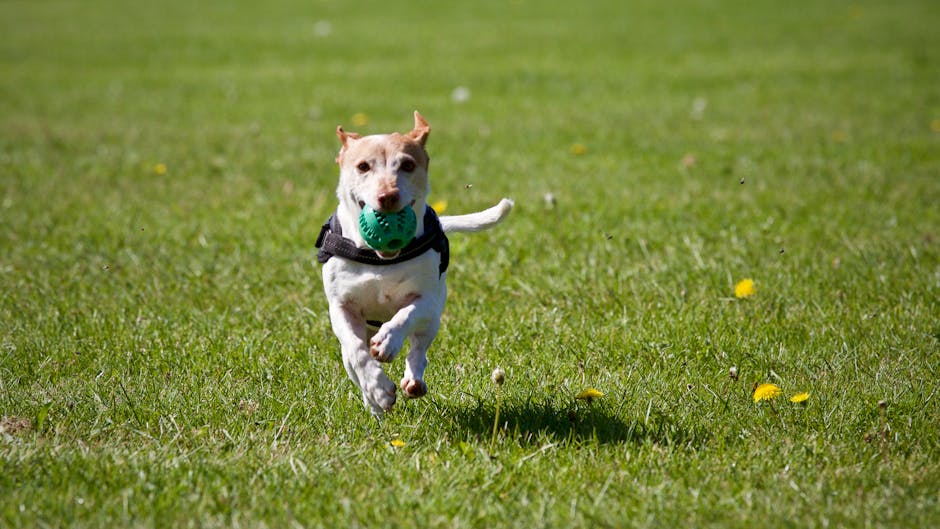
Bringing a new furry friend into your life is an incredibly rewarding experience. However, a well-behaved dog doesn't just happen magically. Training is essential for building a strong bond with your dog, ensuring their safety, and creating a harmonious environment for everyone. Whether you're a first-time dog owner or looking to brush up on your training skills, this guide offers valuable insights into effective dog training techniques.
One of the most fundamental aspects of dog training is establishing clear communication. Dogs don't understand human language in the same way we do. Instead, they rely on body language, tone of voice, and consistent cues. Using positive reinforcement methods, such as rewarding desired behaviors with treats, praise, or toys, is crucial for effective learning. Avoid punishment-based training, as it can create fear and anxiety, ultimately hindering the training process.
Start with basic commands like "sit," "stay," and "come." Keep training sessions short and engaging, especially in the beginning. Dogs have short attention spans, so frequent, shorter sessions are more effective than long, drawn-out ones. Use clear and concise commands, accompanied by hand gestures, to help your dog understand what you're asking. Consistency is key; use the same commands and gestures every time.
Crate training can be a valuable tool for housebreaking and providing your dog with a safe and secure space. Introduce the crate gradually, making it a positive experience with treats and toys. Never use the crate as a form of punishment. Potty training requires patience and consistency. Establish a regular schedule for taking your dog outside and reward them immediately when they eliminate in the designated area.
Socialization is an essential part of dog training. Expose your dog to different people, places, and situations from a young age. This helps them develop into well-adjusted adults who are comfortable in various environments. Proper socialization can prevent fear-based aggression and other behavioral issues later in life.
Leash training is crucial for safe and enjoyable walks. Start by getting your dog accustomed to wearing a collar or harness. Introduce the leash gradually and practice walking in a controlled environment. Reward your dog for walking calmly beside you and avoid pulling or jerking on the leash.
Addressing problem behaviors like excessive barking, chewing, or jumping requires patience and understanding. Identify the underlying cause of the behavior and address it accordingly. For example, excessive barking may stem from boredom or anxiety. Providing more exercise, mental stimulation, or a safe space can help alleviate these issues.
Remember, dog training is an ongoing process. Consistency, patience, and positive reinforcement are essential for success. Celebrate small victories and don't get discouraged by setbacks. With dedication and the right approach, you can build a strong bond with your dog and enjoy a harmonious relationship for years to come.