Bringing a new furry friend into your life is incredibly exciting, but training them can feel daunting. Don't worry, it doesn't have to be! With patience, consistency, and a positive approach, you can build a strong bond with your dog while teaching them essential commands and good manners. This guide will provide you with the basics to get started on your training journey.
Before you begin any training, it's important to establish a positive and trusting relationship with your dog. Spend quality time playing, cuddling, and simply being present with them. This helps them feel secure and more receptive to learning. Use a happy and encouraging tone of voice when interacting with your dog, and avoid punishment-based training methods, which can damage your relationship and create fear or anxiety.
Positive reinforcement is the most effective way to train a dog. This involves rewarding desired behaviors with treats, praise, or toys. When your dog performs a command correctly, immediately reward them. The quicker the reward, the better they'll understand the connection between their action and the positive outcome. Keep training sessions short and engaging, especially in the beginning. Dogs have short attention spans, so aim for 5-10 minutes at a time, several times a day.
Start with basic commands like "sit," "stay," and "come." Use clear and concise verbal cues, accompanied by hand gestures. For example, when teaching "sit," hold a treat in front of your dog's nose and slowly move it over their head towards their tail. As their rear end goes down, say "sit" and give them the treat. Repeat this process several times until they associate the word "sit" with the action.
Consistency is key to successful dog training. Everyone in the household should use the same commands and hand gestures. This avoids confusion for your dog and helps them learn more quickly. Practice these commands in various environments, such as inside your home, in the backyard, and on walks. This helps them generalize the commands and respond reliably, regardless of distractions.
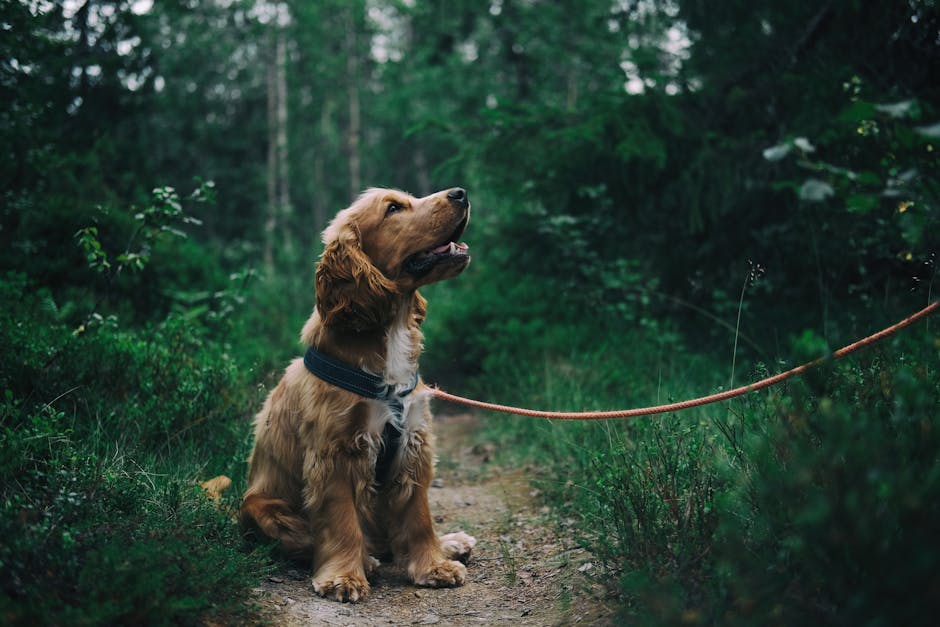
Leash training is an essential part of dog ownership. Introduce your dog to the leash gradually, starting with short walks in a familiar area. Use a comfortable harness or collar and keep the leash loose, allowing them to explore. If they pull, gently redirect them and reward them when they walk nicely by your side.
Socialization is crucial for developing a well-adjusted dog. Expose your dog to different people, dogs, and environments from a young age. This helps them learn appropriate social skills and reduces the likelihood of fear or aggression later in life. Enroll them in puppy classes or take them to dog parks to interact with other dogs in a supervised setting.
Remember, dog training is an ongoing process. Be patient with your dog and yourself. There will be setbacks and challenges along the way, but with consistent effort and positive reinforcement, you can build a strong bond and enjoy a well-behaved companion for years to come. Don't hesitate to seek professional help from a certified dog trainer if you encounter any difficulties. They can provide personalized guidance and address specific behavioral issues.