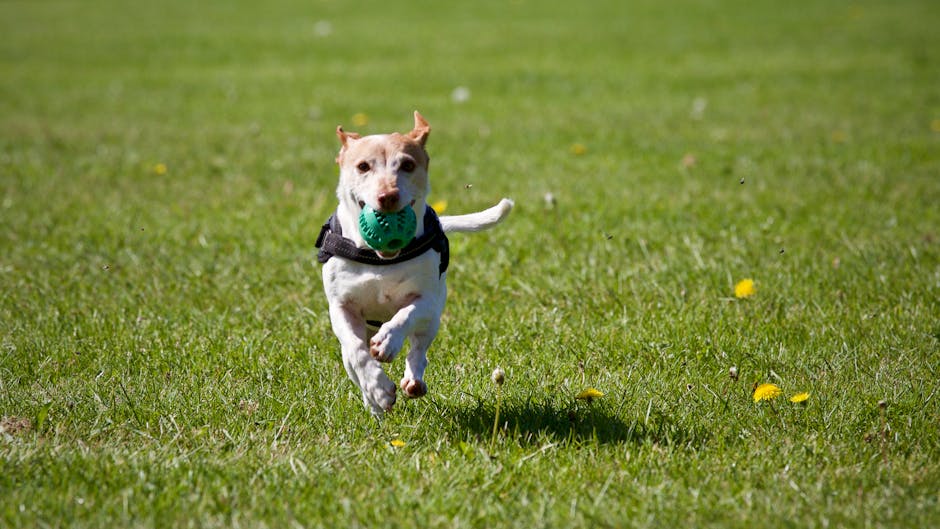
Bringing a new dog into your life is an incredibly rewarding experience. Whether you've adopted a playful puppy or a dignified older dog, training is essential for building a strong bond and ensuring a harmonious life together. Training not only teaches your dog essential commands but also helps them understand their place in your family and the world around them. This guide will provide you with the foundational knowledge and practical tips to embark on your dog training journey.
One of the most crucial aspects of dog training is establishing yourself as the leader. Dogs thrive on structure and clear communication. This doesn't mean being authoritarian or harsh, but rather consistent and firm in your expectations. Your dog needs to understand that you are the source of guidance and security. This establishes a foundation of trust and respect, making the training process smoother and more effective.
Positive reinforcement is the cornerstone of modern dog training. This method focuses on rewarding desired behaviors with treats, praise, or toys, while ignoring or redirecting unwanted behaviors. Punishment is generally ineffective and can even be detrimental, leading to fear and anxiety. Positive reinforcement, on the other hand, motivates your dog to learn and cooperate willingly.
Start with basic commands like "sit," "stay," and "come." Keep training sessions short and engaging, especially in the beginning. Dogs have short attention spans, so it's best to work in short bursts of 5-10 minutes at a time. Consistency is key; practice these commands daily in various environments to solidify your dog's understanding.
House training is another important aspect of early training. Establish a regular potty schedule and take your dog outside frequently, especially after waking up, eating, and playing. Reward successful potty breaks with praise and treats. Accidents are bound to happen, so avoid scolding your dog. Instead, clean up the mess thoroughly and reinforce the desired behavior when they go outside.
Crate training can be a valuable tool, providing your dog with a safe and secure den-like space. Introduce the crate gradually, making it a positive experience with treats and toys. Never use the crate as punishment. It should be a place where your dog feels comfortable and relaxed.
Socialization is crucial for developing a well-adjusted dog. Expose your dog to a variety of people, places, and sounds from a young age. This helps them become confident and adaptable in different situations, reducing the likelihood of fear or aggression later in life.
Remember, patience and consistency are paramount in dog training. Every dog learns at a different pace, so avoid comparing your dog's progress to others. Celebrate small victories and focus on building a positive relationship with your furry companion. With dedication and the right approach, you can enjoy a well-trained and happy dog for years to come.