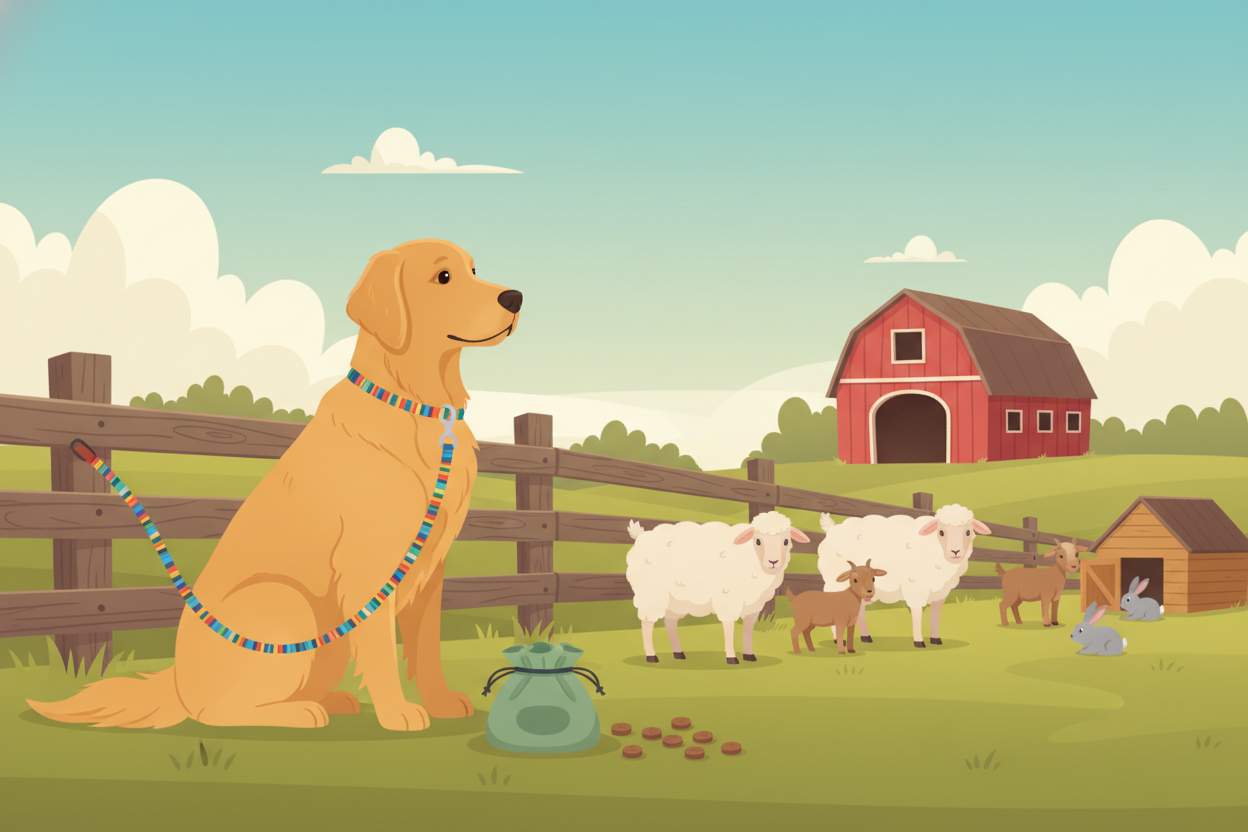
How to Train Your Dog for a Petting Zoo Visit: A Complete Guide to Success 🐕
Table of Contents
1. Introduction
2. Why Prepare Your Dog for Petting Zoo Visits?
3. Essential Pre-Training Assessment
4. Basic Commands Every Petting Zoo Dog Should Know
5. Socialization Techniques for Farm Animal Encounters
6. Managing Excitement and Overstimulation
7. Safety Protocols and Leash Training
8. Practice Sessions: Creating Mock Scenarios
9. What to Expect During Your First Visit
10. Common Mistakes to Avoid
11. Conclusion
12. Frequently Asked Questions
Introduction
Taking your furry friend to a petting zoo can be one of the most rewarding experiences you’ll share together! 🌟 However, without proper preparation, what should be a delightful adventure might turn into a stressful situation for both you and your dog. I’ve seen countless dog owners arrive at petting zoos completely unprepared, only to watch their beloved pets become overwhelmed by the sights, sounds, and smells of farm animals.
The good news? With the right training approach and patience, virtually any dog can learn to enjoy petting zoo visits. Whether you’re planning a family outing or considering therapy dog work, this comprehensive guide will walk you through everything you need to know about preparing your canine companion for this unique environment.
Why Prepare Your Dog for Petting Zoo Visits? 🎯
You might wonder why special training is necessary for a simple petting zoo visit. The reality is that petting zoos present a sensory overload that most dogs rarely experience in their daily lives. From the distinctive sounds of goats bleating to the unfamiliar scent of hay and farm animals, these environments can trigger various responses in dogs.
Proper preparation ensures your dog remains calm, confident, and well-behaved around children and animals. It also protects the safety of everyone involved – including the farm animals who might become stressed by an overly excited or aggressive dog. Additionally, many petting zoos have strict behavioral requirements for visiting dogs, and failing to meet these standards could result in being asked to leave.
Training your dog for petting zoo visits also strengthens your bond and improves their overall socialization skills, making them more adaptable to new environments throughout their life.
Essential Pre-Training Assessment 📋
Before diving into specific training techniques, honestly evaluate your dog’s current temperament and skill level. Not every dog is naturally suited for petting zoo environments, and that’s perfectly okay! Some breeds with high prey drives or dogs with anxiety issues may need more intensive preparation or might not be good candidates at all.
Start by observing how your dog reacts to new environments, loud noises, and unfamiliar smells. Does your pup get overly excited when meeting new people or animals? Do they have a tendency to jump, bark excessively, or show signs of stress in crowded places? These behaviors need addressing before attempting a petting zoo visit.
Consider your dog’s vaccination status and health condition as well. Most petting zoos require current vaccinations and will ask for documentation. If your dog has any health issues that might be exacerbated by stress or physical activity, consult with your veterinarian first.
Basic Commands Every Petting Zoo Dog Should Know ✨
Mastering fundamental obedience commands forms the foundation of successful petting zoo visits. Your dog should respond reliably to these commands even with distractions present – and trust me, petting zoos are full of distractions!
The “sit” and “stay” commands are absolutely crucial. Your dog should be able to sit calmly while children approach and pet them, maintaining this position until released. Practice these commands in increasingly stimulating environments, starting in your quiet backyard and gradually moving to busier locations like parks or pet stores.
A solid “leave it” command can be a lifesaver around farm animals and their feed. Many dogs are tempted by animal food, hay, or even animal droppings – gross but true! Your dog should immediately stop what they’re doing and focus on you when given this command.
The “gentle” or “easy” command teaches your dog to moderate their enthusiasm when interacting with smaller animals or children. This is particularly important since many petting zoo visitors are young children who might be nervous around dogs.
Socialization Techniques for Farm Animal Encounters 🐐
Farm animals behave very differently from the dogs and cats your pet might be accustomed to meeting. Goats can be pushy and vocal, sheep move in groups, and chickens make sudden, fluttery movements that can trigger a dog’s chase instinct.
If possible, arrange controlled meetings with farm animals before your petting zoo visit. Many farms offer educational programs or have owners willing to help with dog socialization. Start with calm, well-socialized farm animals and maintain a safe distance initially.
Use positive reinforcement throughout these encounters. Reward your dog with treats and praise when they remain calm around farm animals. If your dog shows signs of stress or overexcitement, increase the distance and try again later. Never force interactions – this can create negative associations that are difficult to overcome.
Pay attention to your dog’s body language during these sessions. Relaxed ears, soft eyes, and loose body posture indicate comfort, while stiff posture, intense staring, or excessive panting might signal stress or overstimulation.
Managing Excitement and Overstimulation 🌊
Even well-trained dogs can become overwhelmed in the exciting environment of a petting zoo. Learning to recognize and manage your dog’s arousal levels is a crucial skill that will serve you well beyond petting zoo visits.
Create a “calm down” routine that you can use when your dog becomes too excited. This might involve moving to a quieter area, practicing basic commands, or engaging in calming activities like gentle massage or deep breathing exercises (yes, dogs can learn to breathe deeply too!).
Bring high-value treats that can redirect your dog’s attention when needed. These should be special treats reserved for challenging situations – something your dog absolutely loves but doesn’t get regularly. Freeze-dried liver, small pieces of chicken, or specialized training treats work well.
Learn to read the early signs of overstimulation in your dog. These might include excessive panting, inability to focus on commands, jumping, or becoming fixated on specific animals or people. Addressing these signs early prevents escalation to more problematic behaviors.
Safety Protocols and Leash Training 🔒
Safety should always be your top priority during petting zoo visits. This means having complete control over your dog at all times and being prepared for unexpected situations.
Invest in a high-quality, properly fitted collar or harness and a sturdy leash. I personally recommend a 6-foot leather or nylon leash that gives your dog some freedom to explore while maintaining control. Retractable leashes are generally not suitable for petting zoo environments as they don’t provide adequate control.
Practice loose-leash walking in various environments before your visit. Your dog should be able to walk calmly beside you without pulling, even when excited or distracted. This skill is essential for navigating crowded petting zoo pathways safely.
Establish clear boundaries about where your dog can and cannot go. Many petting zoos have designated areas for dogs and others where they’re not permitted. Your dog should understand that they must stay within allowed areas and not attempt to enter animal enclosures or restricted zones.
Practice Sessions: Creating Mock Scenarios 🎭
One of the most effective ways to prepare your dog is by creating practice scenarios that mimic petting zoo conditions. You don’t need actual farm animals to do this – creativity and consistency are your best tools!
Set up obstacle courses in your backyard using everyday items to simulate the physical environment of a petting zoo. Use garden hoses to represent fence lines, place bowls of different foods around to practice “leave it” commands, and create narrow pathways your dog must navigate calmly.
Invite friends and family members, especially those with children, to participate in practice sessions. Have them approach your dog in various ways – some confidently, others more hesitantly – to prepare your pet for the different personalities they’ll encounter at the petting zoo.
Play recordings of farm animal sounds during training sessions to desensitize your dog to these unfamiliar noises. Start at low volumes and gradually increase as your dog becomes comfortable. You can find these recordings online or create your own during visits to farms or other petting zoos.
What to Expect During Your First Visit 🌟
Your first petting zoo visit should be treated as a training session rather than a casual outing. Arrive early when crowds are smaller and animals are typically calmer. This gives your dog time to acclimate to the environment without the added stress of large crowds.
Start your visit by walking the perimeter of the petting zoo, allowing your dog to observe the animals from a distance. Watch their body language carefully and only move closer when they appear comfortable and relaxed.
Keep initial visits short – 30 to 45 minutes is often plenty for a first-time visit. It’s better to end on a positive note while your dog is still enjoying themselves rather than pushing until they become overwhelmed or tired.
Don’t be disappointed if your first visit doesn’t go perfectly. Every dog learns at their own pace, and some need multiple exposures before feeling completely comfortable in new environments. The goal is gradual improvement, not perfection.
Common Mistakes to Avoid ⚠️
Many well-intentioned dog owners make mistakes that can set back their training progress or create negative experiences for their pets. Learning from others’ mistakes can save you time and frustration!
One of the biggest mistakes is rushing the process. Don’t attempt a petting zoo visit before your dog has mastered basic commands in distracting environments. Taking shortcuts in training often leads to setbacks that take longer to correct than doing things properly from the start.
Avoid using punishment or harsh corrections during petting zoo visits. These environments are already stimulating enough without adding stress from negative training methods. Focus on positive reinforcement and redirection instead of punishment when your dog makes mistakes.
Don’t ignore your dog’s stress signals in favor of continuing the visit. If your dog is showing signs of anxiety, fear, or overstimulation, it’s time to take a break or end the visit entirely. Pushing through these signals can create lasting negative associations with petting zoos and similar environments.
Conclusion
Training your dog for petting zoo visits requires patience, consistency, and a commitment to positive training methods. The effort you invest in preparation will pay dividends not only in successful petting zoo experiences but also in your dog’s overall confidence and adaptability. 🏆
Remember that every dog is unique, and what works for one might need modification for another. Stay flexible in your approach, celebrate small victories, and don’t hesitate to seek help from professional dog trainers if you encounter challenges beyond your experience level.
Most importantly, keep the experience fun for both you and your dog! Petting zoos should be enjoyable adventures that strengthen your bond and create positive memories. With proper preparation and training, you’ll soon be confidently exploring petting zoos together, knowing that your well-behaved companion is a joy to have around children and animals alike.
Frequently Asked Questions 🤔
Q: How long does it typically take to train a dog for petting zoo visits?
A: The timeline varies significantly depending on your dog’s temperament, age, and previous socialization experiences. Most dogs need 4-8 weeks of consistent training, with practice sessions 3-4 times per week. Dogs with existing behavioral issues or high anxiety may need several months of preparation.
Q: Are certain dog breeds better suited for petting zoo visits?
A: While individual temperament matters more than breed, dogs bred for calm, gentle temperaments like Golden Retrievers, Labrador Retrievers, and Cavalier King Charles Spaniels often adapt well to petting zoo environments. High-energy breeds or those with strong prey drives may need more intensive training.
Q: What should I bring to a petting zoo visit with my dog?
A: Essential items include vaccination records, a sturdy leash and collar, high-value treats, water and a portable bowl, waste bags, and a towel for cleaning your dog if needed. Some owners also bring a portable mat for their dog to lie on during rest breaks.
Q: Can puppies visit petting zoos?
A: Puppies can visit petting zoos once they’re fully vaccinated (usually around 16 weeks) and have mastered basic commands. However, their shorter attention spans and higher energy levels may require more frequent breaks and shorter visits.
Q: What if my dog shows aggression toward farm animals during training?
A: Any signs of aggression should be taken seriously and addressed immediately. Stop training sessions and consult with a professional dog trainer or animal behaviorist. Some dogs with high prey drives or territorial tendencies may not be suitable for petting zoo environments.
Q: Do I need special insurance to bring my dog to a petting zoo?
A: Check with both your homeowner’s/renter’s insurance and the petting zoo about liability coverage. Many petting zoos require proof of current vaccinations and may ask you to sign a waiver. Some also require additional liability insurance for visiting dogs.