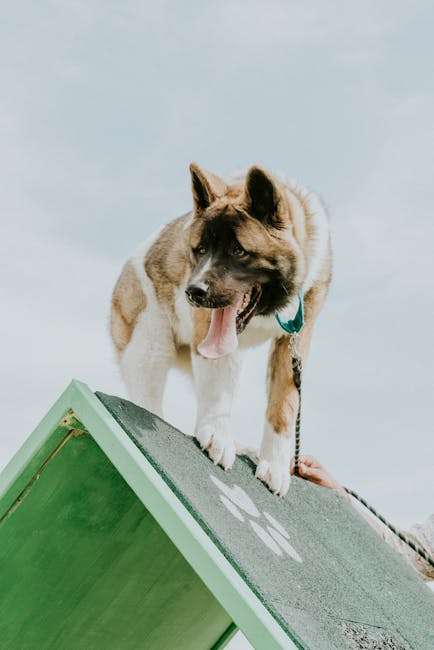
How to Train Your Dog for Agility Courses
Training your dog for agility courses is not just about building their physical strength and speed; it’s also an incredible way to strengthen your bond with them. 🐕🦺 Whether you’re aiming for competition or simply looking for a fun activity to do with your furry friend, agility training can be a rewarding experience for both of you. In this guide, we’ll walk you through the basics of training your dog for agility courses, covering everything from initial preparation to advanced techniques.
Table of Contents
1. Introduction
2. Preparing for Agility Training
3. Basic Training Techniques
4. Advanced Agility Training
5. Conclusion
6. FAQ
Introduction
Agility training is a sport in which dogs navigate through a timed obstacle course, often featuring jumps, tunnels, and weave poles. It’s a fantastic way to keep your dog physically fit and mentally sharp. Plus, it’s a whole lot of fun! Ready to get started? Let’s dive into the essentials of agility training.
Preparing for Agility Training
Before you start with agility training, it’s crucial to ensure that both you and your dog are ready for the journey. Here’s what you need to consider:
1. Health Check-Up 🩺
Ensure your dog is in good health. A visit to the vet can confirm if they are physically capable of handling the demands of agility training. Agility is a high-impact activity, so a health check is essential.
2. Basic Obedience Training 🐶
Your dog should have a firm grasp of basic commands such as sit, stay, and come. These commands form the foundation of agility training and help maintain control on the course.
3. Equipment Selection 📦
Invest in some basic agility equipment. You don’t need a full course right away; start with simple items like jumps, tunnels, and weave poles. You can even DIY some of this equipment at home!
Basic Training Techniques
Once you’re prepared, it’s time to introduce your dog to the world of agility. Here are some basic techniques to get started:
1. Introducing Obstacles 🎯
Start with low, simple obstacles. Encourage your dog with treats and praise as they successfully navigate each one. Patience is key—allow your dog to explore and gain confidence at their own pace.
2. Positive Reinforcement 🎉
Use positive reinforcement throughout the training. Reward your dog with treats, toys, or affection whenever they complete an obstacle correctly. This will motivate them to continue learning and trying their best.
3. Consistent Practice 🕰️
Regular practice is essential to agility training. Aim for short, frequent sessions to avoid overwhelming your dog. Consistency helps reinforce learning and builds endurance over time.
Advanced Agility Training
As your dog becomes more comfortable with the basics, you can begin to introduce more advanced elements:
1. Building Speed and Accuracy ⚡
Encourage your dog to complete the course faster while maintaining accuracy. Gradually increase the difficulty of the obstacles as they progress.
2. Complex Courses 🌀
Design more intricate courses that challenge your dog’s agility and problem-solving skills. Mix up the order of obstacles to keep things interesting and unpredictable.
3. Competing in Agility 🏆
If you and your dog are up for it, consider entering local agility competitions. It’s a great way to meet other agility enthusiasts and test your skills in a new environment.
Conclusion
Agility training is a fantastic way to bond with your dog while keeping them active and mentally stimulated. Remember, the key is to make training fun and rewarding for both of you. With patience, consistency, and a lot of love, your dog can become an agility star! 🌟
FAQ
1. How long does it take to train a dog for agility?
The time it takes can vary greatly depending on your dog’s age, breed, and previous training. Generally, it can take several months to a year for a dog to become proficient in agility.
2. Can all dog breeds participate in agility?
Yes, most breeds can participate in agility, though some may excel more than others. It’s all about finding the right pace and difficulty level for your dog.
3. What age should my dog be to start agility training?
While puppies as young as eight weeks can begin basic training, it’s best to wait until they’re at least a year old to start serious agility training to ensure their bones and joints are fully developed.
4. Is agility training safe for my dog?
When done correctly, agility training is safe. Always start with a health check-up and use proper equipment. Monitor your dog’s health and comfort throughout the training process.
5. What should I do if my dog is afraid of the obstacles?
Take it slow and use positive reinforcement. Encourage them with treats and praise, and never force them to do something they’re uncomfortable with. Gradual exposure and patience are key.