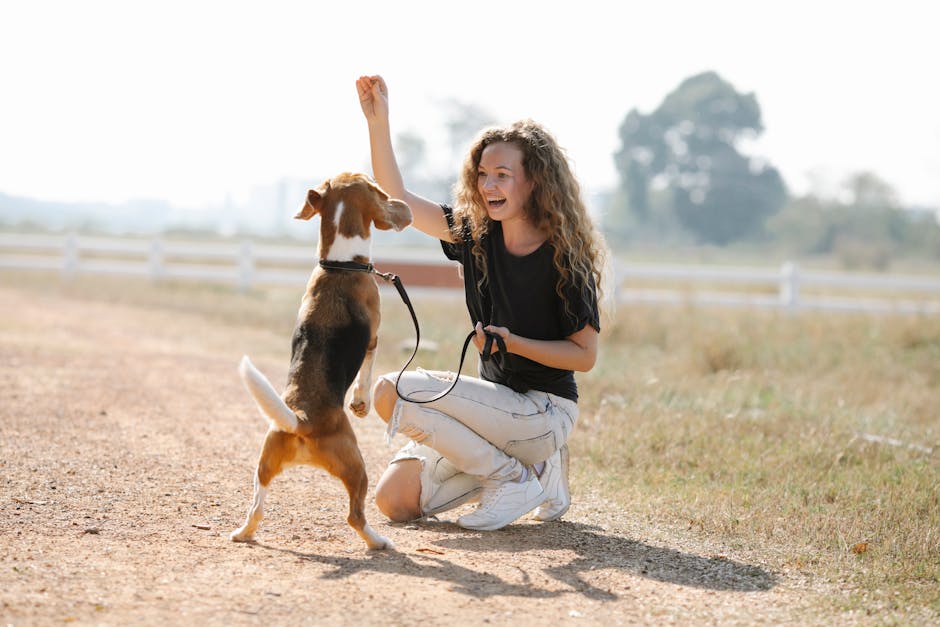
How to Train Your Dog for Competitive Obedience
Training your dog for competitive obedience can be a fulfilling journey for both you and your furry friend. Not only does it strengthen the bond between you, but it also provides mental stimulation and a great sense of achievement. In this guide, we will explore the steps to train your dog effectively for competitive obedience. Let’s dive in! 🐾
Table of Contents
1. Introduction to Competitive Obedience
2. Understanding the Basics
3. Building a Strong Foundation
4. Advanced Techniques for Competitive Edge
5. Consistency and Patience: The Key Ingredients
6. Preparing for the Competition
7. Conclusion
8. FAQ
Introduction to Competitive Obedience
Competitive obedience is a sport where dogs and their handlers perform a series of exercises that showcase the dog’s ability to follow commands accurately and promptly. This sport is not just about obedience; it’s about precision, teamwork, and trust. Whether you have a young pup or an older dog, it’s never too late to start training for competitive obedience.
Understanding the Basics
Before jumping into advanced training, it’s essential to grasp the fundamentals:
1. The Right Mindset 🧠
Start with a positive attitude. Remember that training should be fun for both you and your dog. Don’t stress over perfection; focus on progress.
2. Essential Commands 📚
Begin with basic commands such as sit, stay, down, and come. Ensure your dog is comfortable with these before moving on to more complex tasks.
3. Socialization Skills 🐕🦺
Expose your dog to various environments, people, and other dogs. This will help them stay focused during competitions, which are often bustling with distractions.
Building a Strong Foundation
1. Positive Reinforcement 🎉
Use treats, praise, and toys to reward your dog for correct behavior. Positive reinforcement encourages your dog to repeat the desired actions.
2. Consistent Training Schedule ⏰
Set aside regular training times. Short, frequent sessions are more effective than infrequent, lengthy ones. Consistency helps reinforce what your dog learns.
3. Clear Communication 🗣️
Use clear, consistent commands and hand signals. Ensure that everyone in the household uses the same commands to avoid confusing your dog.
Advanced Techniques for Competitive Edge
1. Precision in Execution 🎯
Once your dog masters basic commands, work on precision. Practice exercises like heelwork, figure 8s, and recall with distractions to hone their skills.
2. Distance Commands ↔️
Train your dog to follow commands from a distance. This skill is crucial in competitions where handlers may need to give commands from afar.
3. Scent Work 👃
Introduce scent work exercises. This involves training your dog to identify specific scents, which can be an exciting and mentally stimulating activity.
Consistency and Patience: The Key Ingredients
Training for competitive obedience requires patience. Celebrate small victories and remain patient during setbacks. Remember, every dog learns at their own pace. Consistency in training and patience in progress will eventually lead to success.
Preparing for the Competition
Before the big day, familiarize your dog with the competition environment. Attend local obedience clubs or mock trials to simulate the competition atmosphere. Ensure your dog is comfortable and confident in such settings.
Conclusion
Training your dog for competitive obedience is a rewarding experience that strengthens your bond. With dedication, patience, and consistent practice, you and your dog can excel in the competitive world of obedience. Embrace the journey and enjoy every step along the way! 🏆
FAQ
Q1: How long does it take to train a dog for competitive obedience?
Training duration varies depending on the dog’s age, breed, and previous training experience. On average, it may take several months to a year.
Q2: Can older dogs learn competitive obedience?
Absolutely! While puppies may learn faster, older dogs can also excel with patience and consistent training.
Q3: What if my dog is easily distracted?
Gradually increase distractions during training sessions to help your dog focus. Start with minimal distractions and slowly introduce more as your dog improves.
Q4: Do I need professional help for training?
While self-training is possible, professional trainers can provide valuable guidance and techniques, especially for beginners.
Q5: Are all dog breeds suitable for competitive obedience?
Most breeds can participate in competitive obedience. However, some breeds may naturally excel due to their temperament and intelligence.