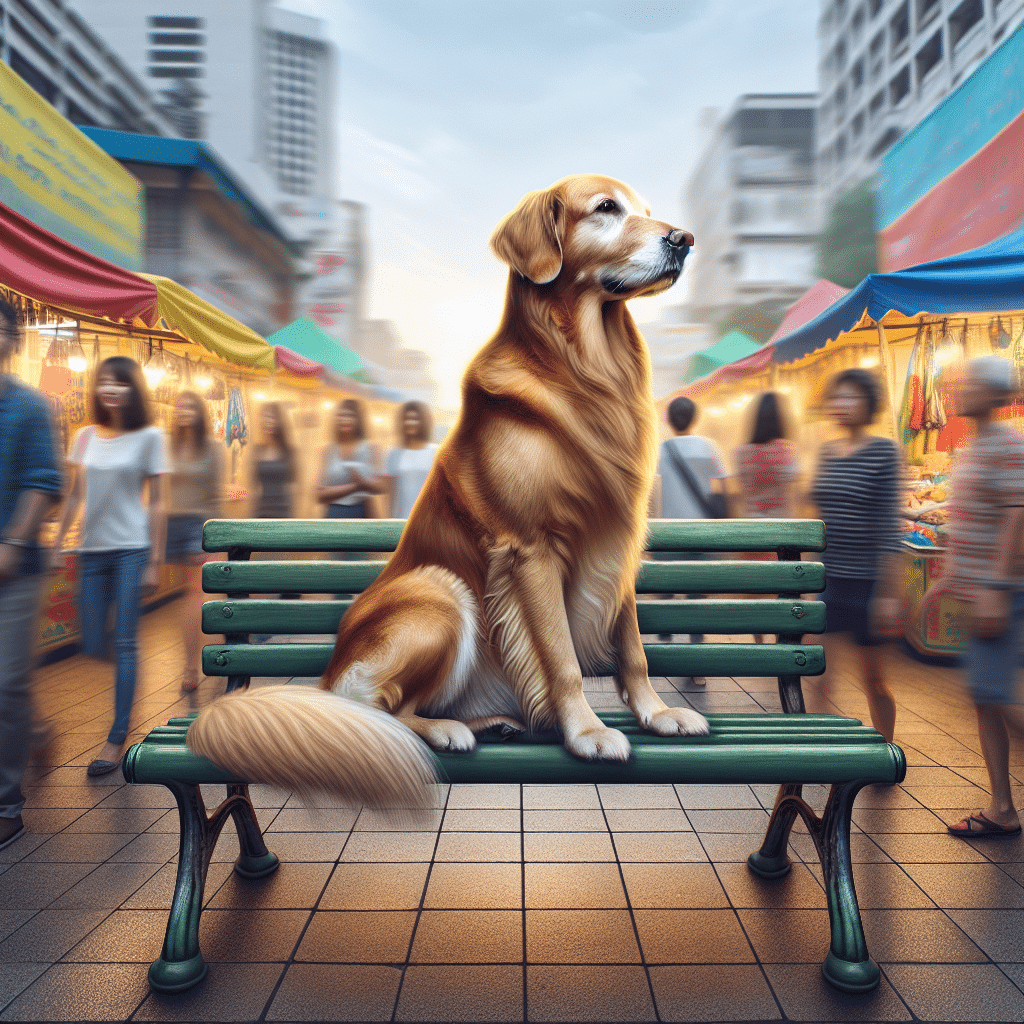
How to Train Your Dog to Be Calm in Crowded Places
As a dog owner, you might relish the idea of taking your furry friend on adventures to bustling parks, vibrant festivals, or even just on a stroll through town. However, crowded places can often be overwhelming for dogs, leading to stress and anxiety. Training your dog to stay calm in such environments is essential for their well-being and your peace of mind. This guide will walk you through effective strategies to ensure your canine companion remains composed amidst the hustle and bustle. 🐶
Table of Contents
1. Understanding Your Dog’s Anxiety
2. Preparing for Success
3. Gradual Exposure to Crowded Environments
4. Positive Reinforcement Techniques
5. Tools and Accessories for Training
6. The Importance of Socialization
7. Consistency and Patience
8. Conclusion
9. FAQs
Understanding Your Dog’s Anxiety
Before embarking on training, it’s crucial to understand what triggers your dog’s anxiety in crowded places. Many dogs feel overwhelmed by the noise, unfamiliar scents, and the unpredictable nature of crowds. Recognizing these triggers can help you tailor your training approach to address specific fears. 🐕🦺
Preparing for Success
Preparation is key to successful training. Start by ensuring your dog is comfortable with basic commands like sit, stay, and come. A solid foundation in obedience will make it easier to manage your dog’s behavior in more challenging situations. Additionally, equip yourself with treats, a favorite toy, or any reward your dog loves to reinforce positive behavior.
Gradual Exposure to Crowded Environments
Instead of plunging straight into a busy area, gradually introduce your dog to crowds. Begin with less crowded places, like a quiet park, and slowly work your way up to busier environments. Pay attention to your dog’s comfort level and proceed at a pace that suits them. Remember, patience is a virtue! 🌳
Positive Reinforcement Techniques
Positive reinforcement is one of the most effective training methods for dogs. Reward your dog with treats, praise, or play whenever they exhibit calm behavior in a crowded setting. This not only encourages good behavior but also helps build a positive association with crowded places. 🐾
Tools and Accessories for Training
Investing in the right tools can make a significant difference. Consider using a harness instead of a collar for better control and comfort. A training clicker can also be beneficial for marking desirable behavior. Additionally, calming products like anxiety wraps or pheromone sprays might help ease your dog’s nerves.
The Importance of Socialization
Socialization is vital for helping your dog adapt to different environments. Regularly expose your dog to new people, animals, and settings. This exposure helps them learn that crowded places are just another part of their world. Try organizing playdates or attending dog-friendly events to enhance their social skills.
Consistency and Patience
Consistency is crucial in any training regimen. Stick to a routine and practice regularly to reinforce the desired behavior. Remember, every dog learns at their own pace. Some might take longer than others to adjust, so patience and persistence are necessary. Keep a positive attitude and celebrate small victories along the way. 🎉
Conclusion
Training your dog to remain calm in crowded places requires time, effort, and understanding. By identifying your dog’s triggers, preparing adequately, and using positive reinforcement, you can help them become more comfortable in busy environments. Remember, the goal is to make these experiences enjoyable for both you and your furry friend. With patience and consistency, you’ll soon have a dog that can confidently accompany you anywhere. 🐾❤️
FAQs
Q: How long does it take to train a dog to be calm in crowded places?
A: The duration varies depending on the dog’s personality and previous experiences. While some dogs may adapt quickly, others might require weeks or even months of consistent training.
Q: Can all dogs be trained to stay calm in crowds?
A: Most dogs can learn to stay calm with the right approach and patience. However, some dogs with severe anxiety might need professional help or a tailored training plan.
Q: What if my dog shows signs of distress during training?
A: If your dog appears stressed, it’s essential to remove them from the situation and provide a calming environment. Gradually reintroduce them to crowded places at a slower pace.
Q: Are there specific breeds that are more prone to anxiety in crowds?
A: While any dog can experience anxiety, some breeds are more prone to it due to their temperament or past experiences. Always consider your dog’s unique personality when training.