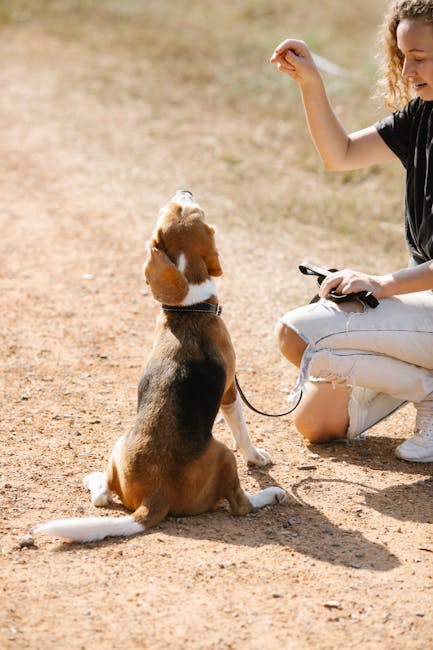
How to Train Your Dog to Be Quiet on Command
Training your dog to be quiet on command can feel like a daunting task, especially if your furry friend loves the sound of their own bark. However, with patience, consistency, and the right techniques, you can teach your dog to keep the noise down when needed. In this guide, we’ll explore practical steps to help you achieve a peaceful and bark-free home environment.
Table of Contents
1. Understanding Why Dogs Bark
2. Setting the Stage for Training
3. Step-by-Step Training Process
4. Troubleshooting Common Issues
5. Conclusion
6. FAQs
Understanding Why Dogs Bark
Before embarking on the journey to train your dog to be quiet, it’s crucial to understand why dogs bark in the first place. Barking is a natural form of communication for dogs. They may bark to alert you of intruders, express excitement, seek attention, or even out of boredom or anxiety.
Understanding the root cause of your dog’s barking will help tailor your training approach. For instance, a dog that barks out of boredom may need more physical exercise and mental stimulation, while one that barks due to anxiety might require a calm and reassuring environment.
Setting the Stage for Training
Before diving into the training process, prepare an environment conducive to learning. Ensure that your dog is well-exercised and has had the chance to relieve themselves beforehand. A tired dog is often a more focused and cooperative trainee!
Equip yourself with high-value treats—something your dog finds irresistible. These treats will serve as positive reinforcement during training sessions. Additionally, choose a quiet area free from distractions to help your dog concentrate on the task at hand.
Step-by-Step Training Process
1. Introduce the “Quiet” Command
Start by allowing your dog to bark a few times. Once they start barking, say the word “quiet” in a calm, firm voice. Wait patiently for your dog to stop barking, even if it’s just for a moment. As soon as they pause, reward them with a treat and plenty of praise. 🐾
2. Practice Consistently
Consistency is key in dog training. Repeat the process daily, gradually increasing the duration your dog needs to remain quiet before receiving a treat. This will help them understand that staying quiet is rewarding.
3. Extend the Training to Different Scenarios
Once your dog starts responding to the “quiet” command in a controlled environment, it’s time to introduce it in real-world situations. Practice the command during walks, at the park, or when visitors arrive at your home. This will help reinforce the behavior in various contexts.
Troubleshooting Common Issues
Training isn’t always smooth sailing, and you may encounter some hurdles along the way. Here are a few common issues and tips to overcome them:
Issue: Dog Doesn’t Respond to the Command
If your dog doesn’t respond to the “quiet” command, ensure you’re not inadvertently rewarding the barking. Avoid shouting “quiet” repeatedly, as this can add to the excitement. Instead, wait for a pause in barking and then issue the command calmly.
Issue: Inconsistent Results
Inconsistency can confuse your dog. Make sure everyone in the household uses the same command and follows the same training routine. This consistency will help reinforce the desired behavior.
Conclusion
Training your dog to be quiet on command requires patience and persistence, but the results are well worth the effort. By understanding your dog’s motivations and using positive reinforcement, you can effectively teach them to control their barking. Remember, every dog learns at their own pace, so celebrate small victories along the way! 🎉
FAQs
How long does it take to train a dog to be quiet on command?
The time it takes can vary based on the dog’s age, breed, and personality. Some dogs may learn quickly within a few weeks, while others may take a couple of months. Patience and consistency are crucial.
Is it possible to train an older dog to be quiet on command?
Yes, older dogs can definitely learn new tricks! While it may take a bit longer than with a puppy, older dogs are capable of learning with the right approach and positive reinforcement.
Should I use a bark collar to train my dog?
Bark collars are generally not recommended as they can cause stress and anxiety in dogs. Positive reinforcement methods are more effective and foster a stronger bond between you and your pet.
With these tips and techniques, you’re well on your way to enjoying a more peaceful home. Happy training! 🐶